chickfactor 2025 gift guide

Consider every dollar you spend a vote for the world you want to live in: a better world is possible and we must keep pushing for it. That means avoiding corporations (or spending very little this year for many on a budget) and awful retail giants who pay no taxes and pay their employees so little they can’t make a living. Our guide focuses on community, creativity, mutual aid, supporting artists, musicians and writers, and encouraging gratitude, kindness, empathy and giving back. 

GIVE THEM EXPERIENCES: Sign your friend up for kickboxing classes, give them season tickets to a women’s futbol team, a spa day, or take them out to dinner, a play, an art-house movie, time in a recording studio, ceramic lessons, or pasta-making classes. Book a treehouse getaway!

NATURE IS HEALING: There are many ways to support animal welfare, bird safety and wildlife thriving, along with giving humans what they need to survive in this stupid world: Head to Audubon, Wildlife Conservation Society, Save the Manatee, Oceana, the A C L U, and other do-gooders and buy things that benefit them! Also consider adopting a real-life rescue pup or a black cat or buying things that benefit animal sanctuaries, hummingbirds, bees, bats, and wildlife. Without pollinators, our species will not survive. Give seeds to grow food, make bat boxes, hummingbird feeders and give someone beekeeper classes! I don’t know anyone who doesn’t need a massage right now.

KEEP THE LIGHTS ON: Support your fave radio station like WFMU by grabbing a bucket hat, a hoodie from top labels, or even buy your loved one a public media subscription. Commission an artist or buy something they’ve already created or a photographer to take a portrait. Shop museum and gallery shops, independent book shops, small businesses, and of course record shops! (We like Jigsaw, Monorail, and Dusty Groove a lot, along with our wonderful stockists Atomic Books, Grimey’s, K Recs, Record Grouch, Sonic Boom, and Peel).

MUTUAL AID: If you want to buy nothing, that makes a statement but consider ways to invest in our communities, support artists, writers, musicians, photographers, makers, ceramic artists, record labels, small publishers, camera shops, food co-ops, farmers markets, help people eat, get the care or services they need, and donate to food banks near you if you can.
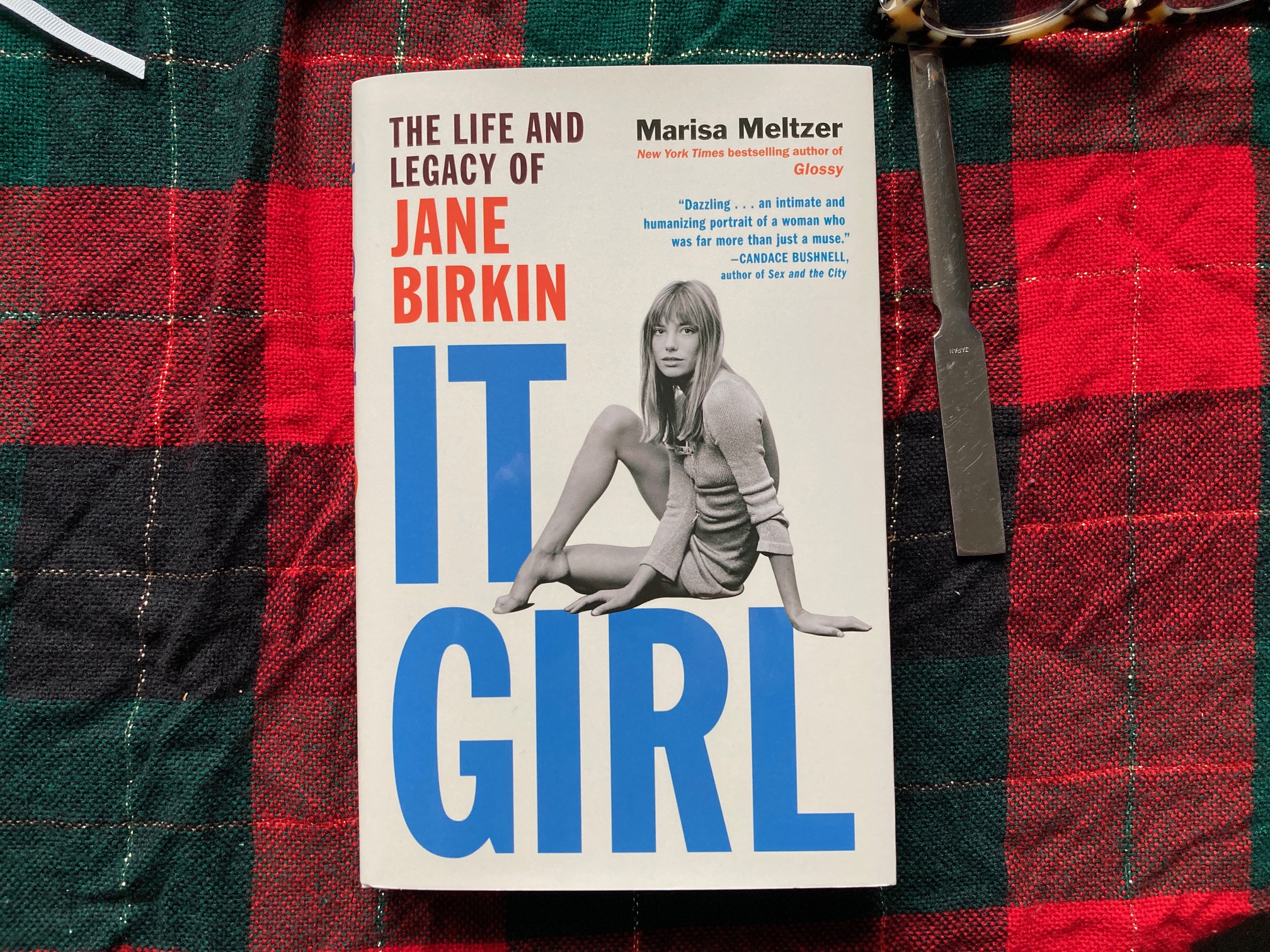
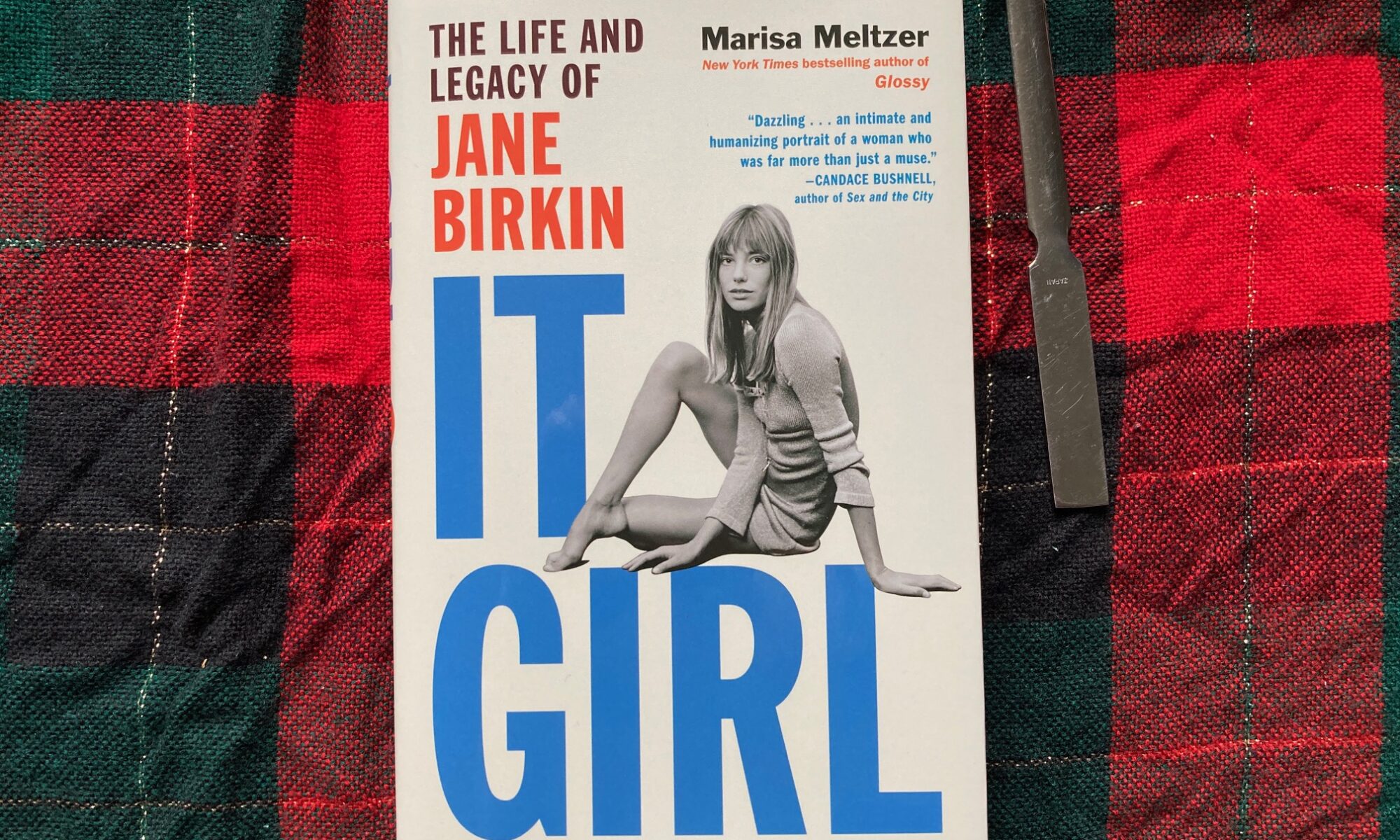
IT GIRL: The Life and Legacy of Jane Birkin The real queen of England finally gets a proper bio from an author who once wrote about chickfactor and other zines in the New York Times:

The first comprehensive biography of Jane Birkin—actress, singer, and legendary style icon—and her profound cultural impact, from the “acerbic, culturally astute, and genuine” (The New York Times) author of the instant New York Times bestseller Glossy. (Simon & Schuster) 
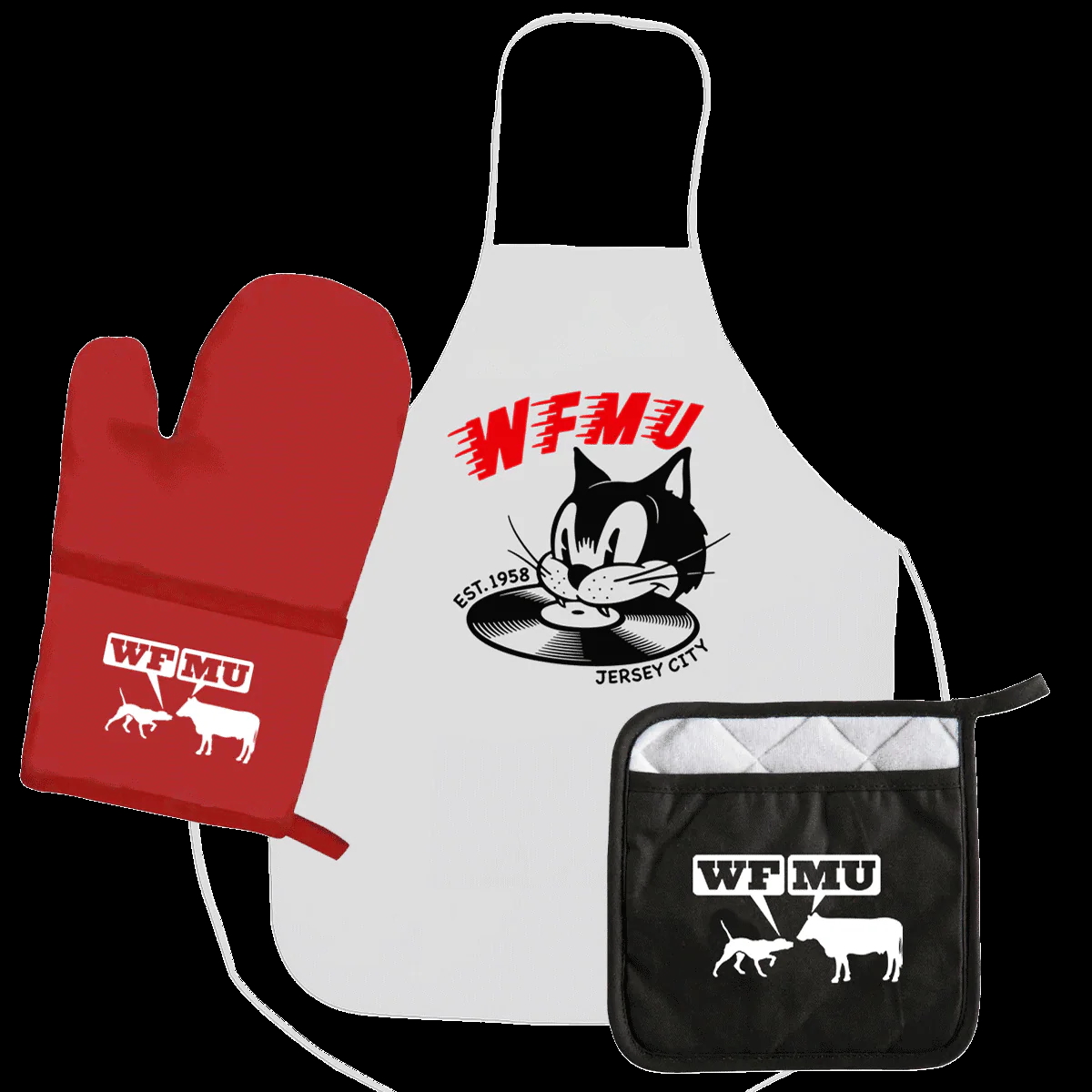
Swag from the world’s greatest radio station Your significant other would look so dashing in this apron whilst whipping up a vegan roast from scratch.
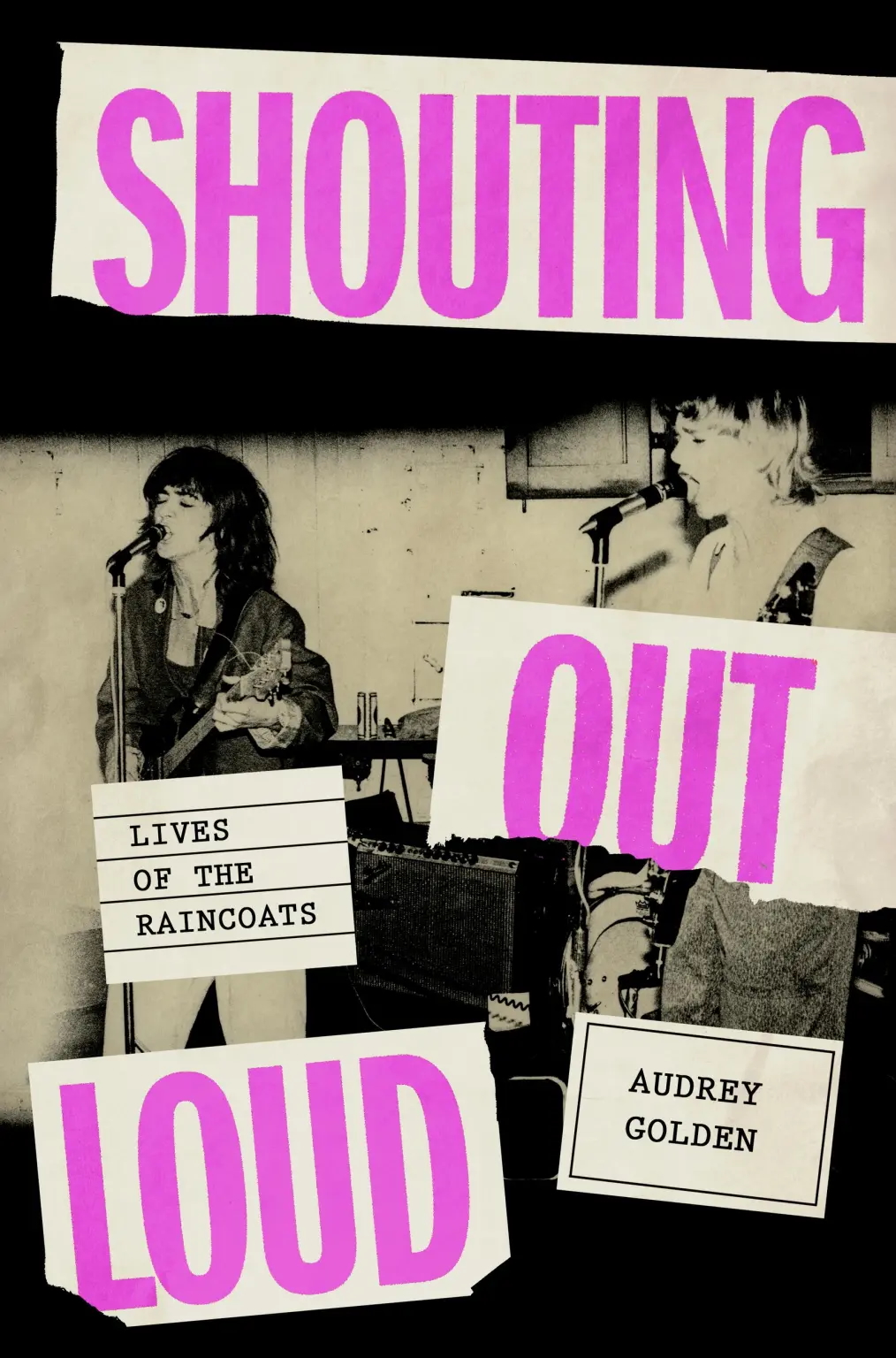
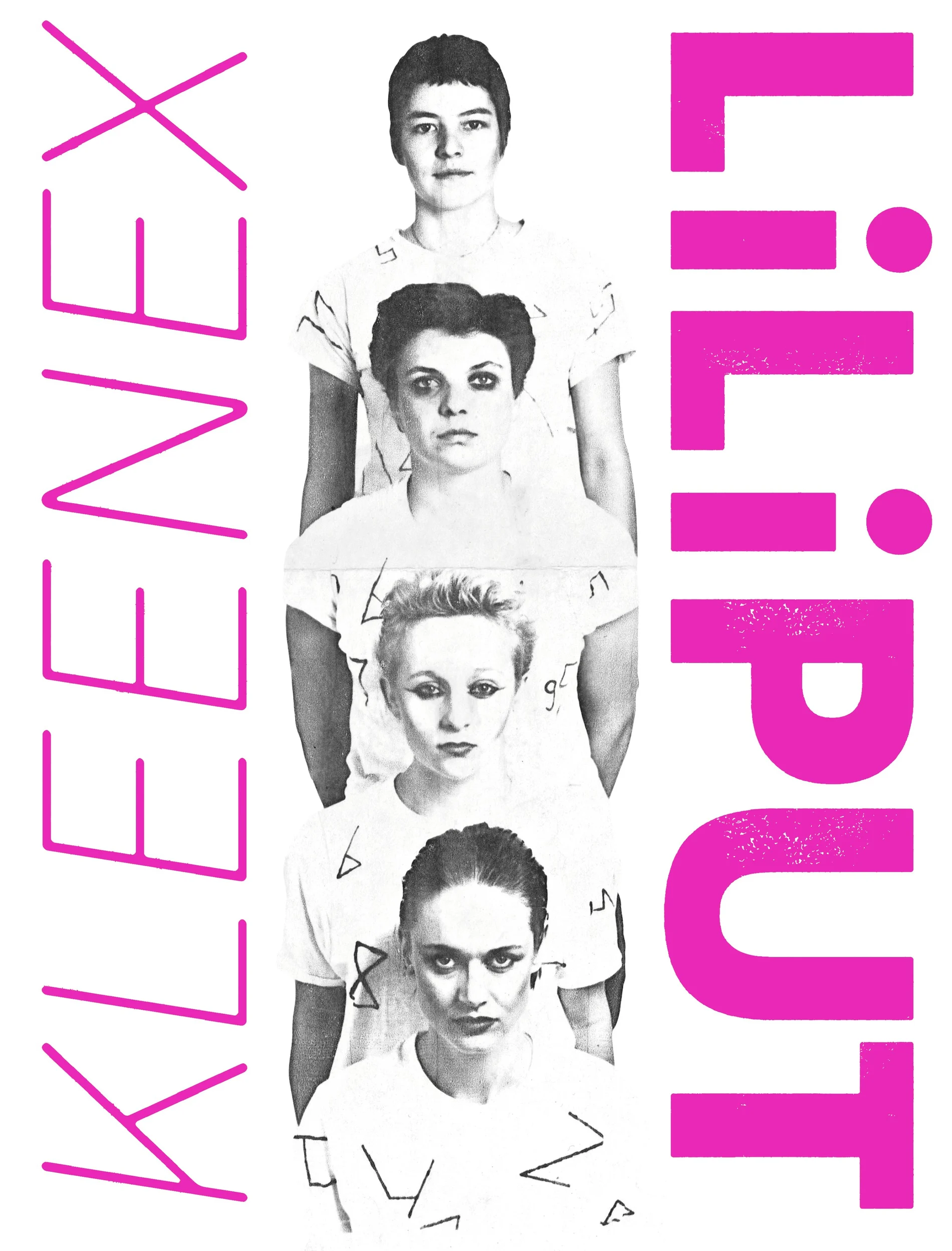
Shouting Out Loud: Lives of the Raincoats The award-winning, impressively researched book about the OG punk band from Audrey Golden is available via bookshop.org or also in Portland at Selected Stories. Read an excerpt and interview with the author here.

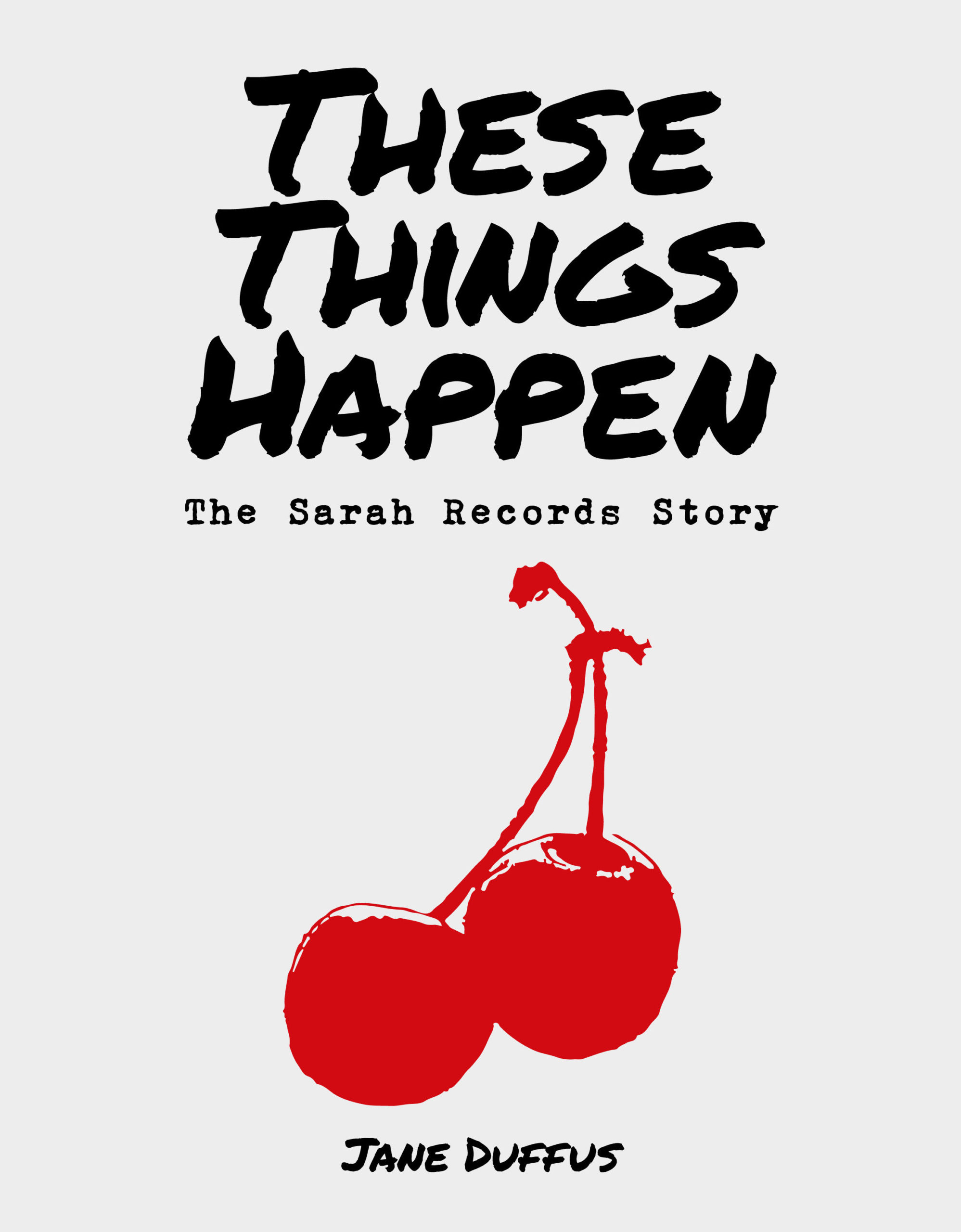
You & Me Against the World: 2 Women, 5 Bands, ’80s Edinburgh Is there a band that is more chickfactor than the Shop Assistants? We think not! This essential tome is still available at Jigsaw in the U.S.! Grab while you can.
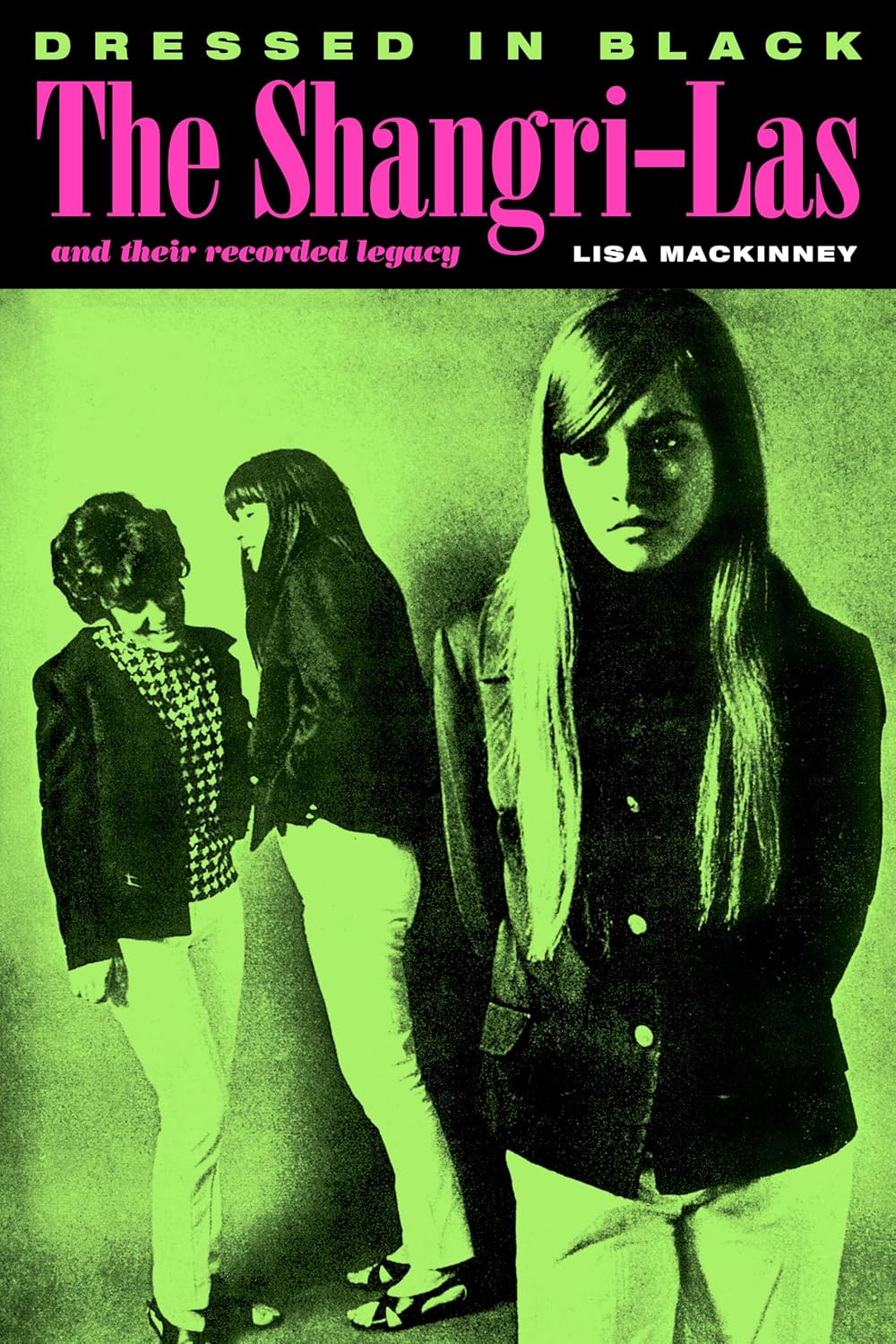
Dressed in Black: The Shangri-Las and Their Recorded Legacy Who invented teenagers? Maybe the Shangri-Las! One of the greatest and most underrated bands of all time.

“The first full-length history of the Shangri-Las, one of the most significant—and most misunderstood—pop groups of the 1960s.

Sisters Mary and Betty Weiss, together with twins Mary Ann and Marguerite Ganser, were schoolgirls when they formed the Shangri-Las in 1963, and had a meteoric rise to fame with songs like “Leader of the Pack” and “Remember (Walking in the Sand).” Their career was cut short for reasons largely beyond their control, derailed by the machinations of Mafia-linked record executives, and heartbreak and tragedy followed. Historian Lisa MacKinney marshals an impressive array of new evidence to tell the Shangri-Las’ story, dispelling many myths and long-standing mysteries along the way.” (Verse Chorus Press)
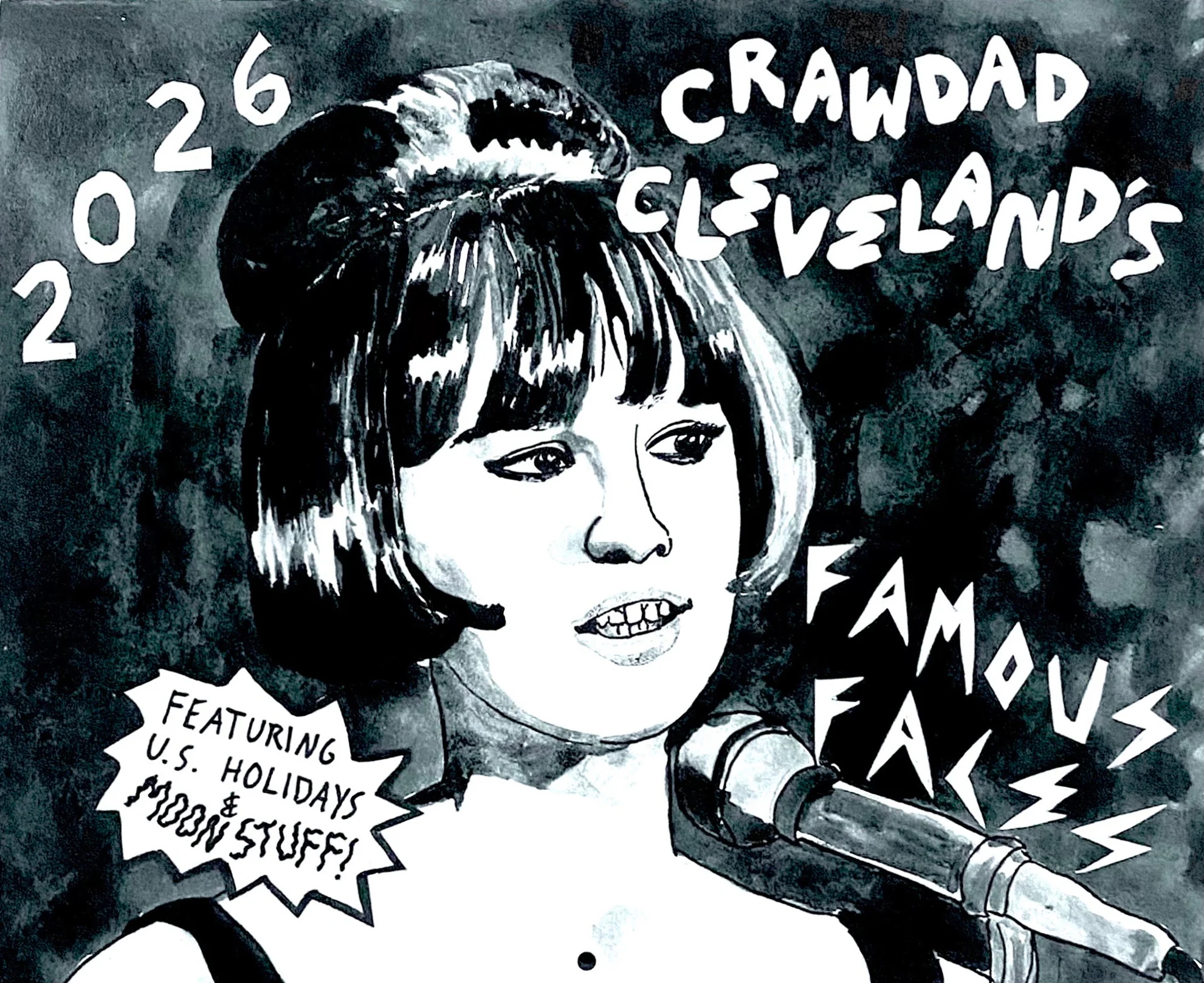
2026 Crawdad Cleveland’s Famous Faces Calendar Shana Cleveland’s calendars are so fun and filled with luminaries you already admire. You know her from La Luz.
Personal style from Woody Guthrie They will lose. It’s only a matter of time.

Keep Your Ear to the Ground: A History of Punk Fanzines in Washington, D.C. Conflict-of-interest alert, we are one of many, many zines in this book! But still…
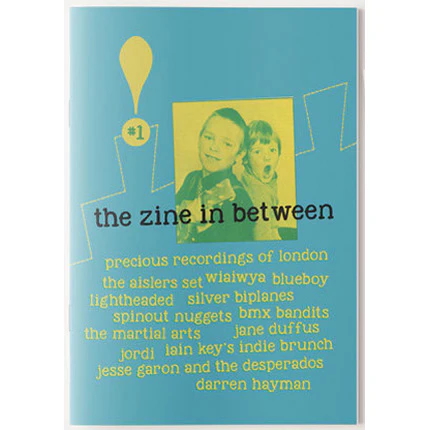
“John Davis understands that revolutions start at home. His reverent analysis of DC punk zine history, “Keep Your Ear to the Ground, is a sobering call of support for local, DIY culture. John’s book is definitive, well researched, and highly recommended.” —Bruce Pavitt, author of Sub Pop USA, cofounder of Sub Pop Records

Zines! Every holiday stocking needs to be stuffed with very dark chocolate and zines so I hear. Where to get zines in the US? Try Giant Robot, K Recs, Jigsaw, Quimbys, Atomic Books, Grimey’s, End of an Ear, Printed Matter, Peel Gallery and many other excellent shops!
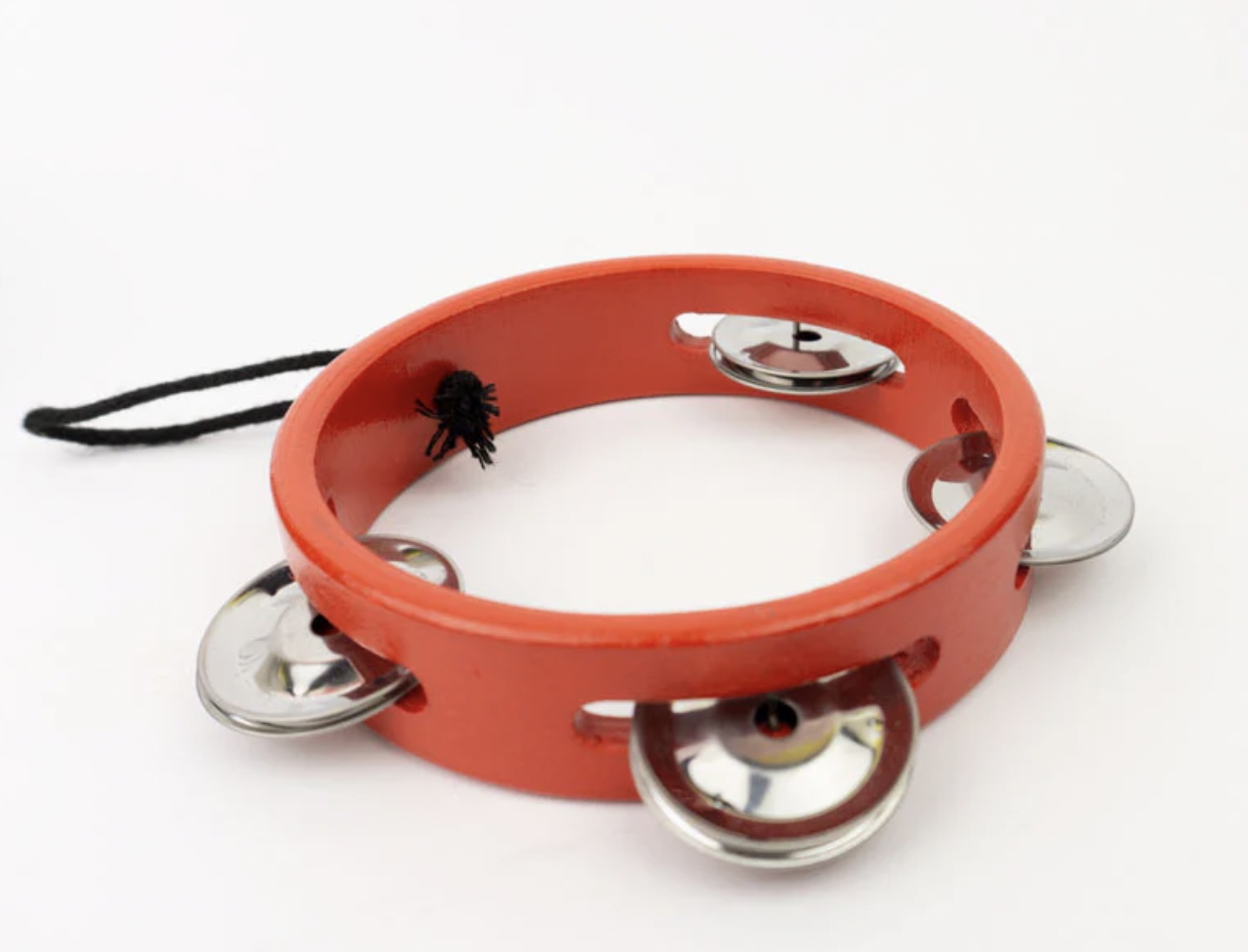
Tambourine ornament from the Country Music Hall of Fame Museum Store

Teenage Daydream: We Are the Girls Who Play in a Band by Debsey Wykes Pretty sure you already have this one! Read an excerpt and an interview here!
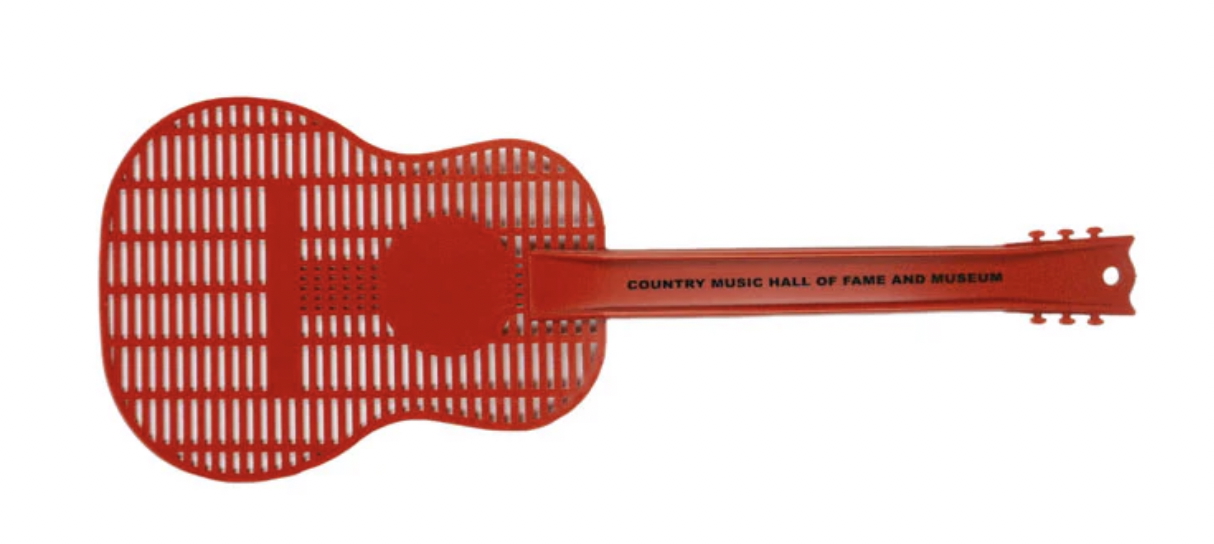
Guitar flyswatter from the Country Music Hall of Fame Museum Store. SWAT!

Chapeau from ACLU When you see that person across the room wearing this, you know they’re awesome.
Screenshot

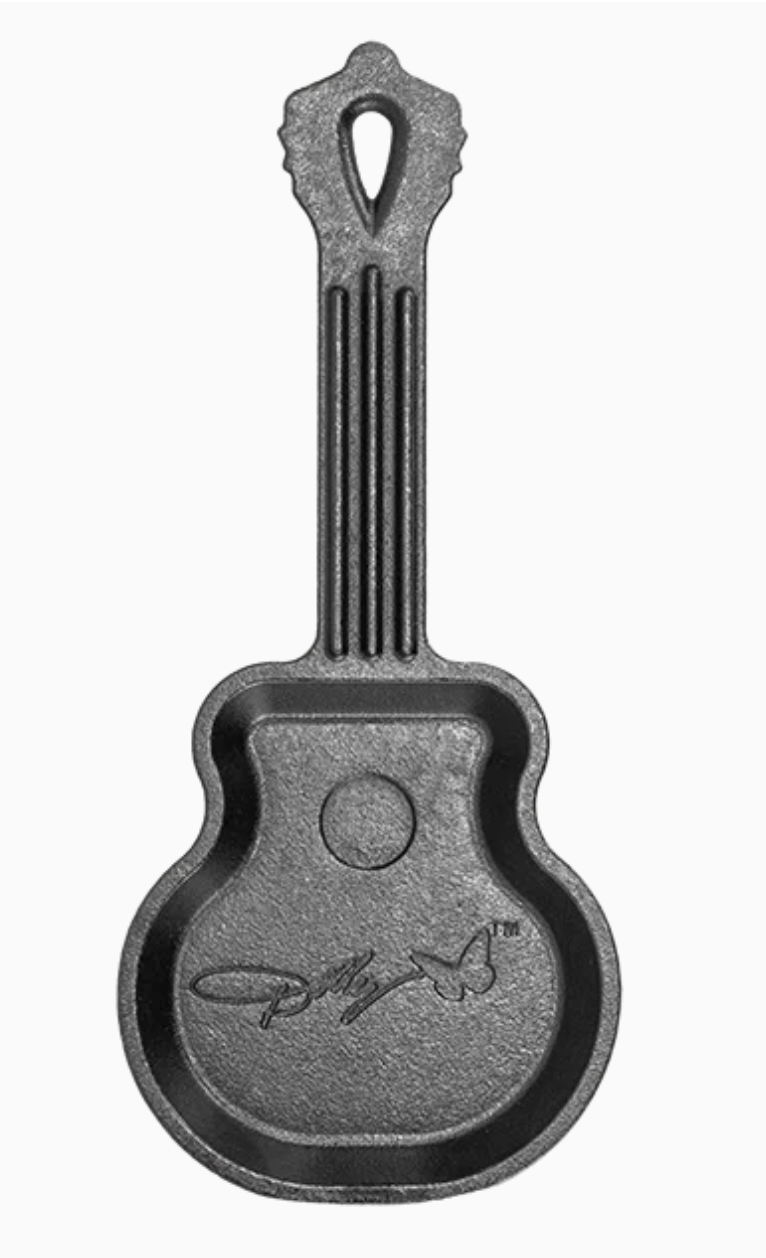
Dolly Parton Lodge Cast-Iron Mini Skillet You can surely manifest some adorable pancakes in this sucker. And no creepy chemicals like you get with nonstick pans.
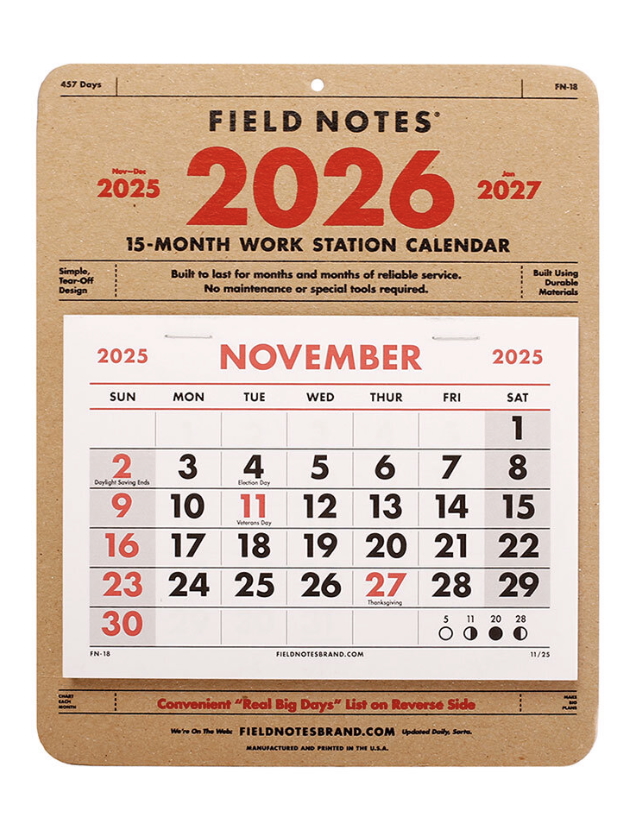
Field Notes 2026 calendar Just look at that design. I need this!
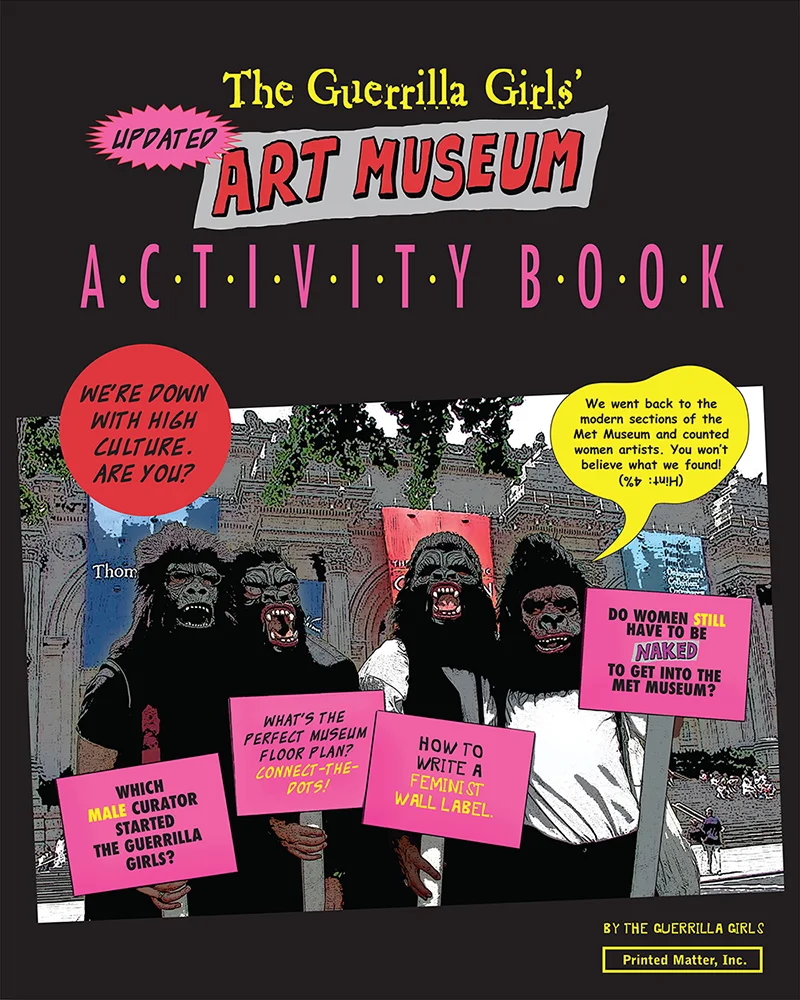
Courtesy guerrillagirls.com

The Guerrilla Girls Art Museum Activity Book
“Art is a weapon and as deadly as steel cannons or exploding bombs. Art should not be pacifist nor mystic, but should send fighting people to the field of battle filled with the clear knowledge of what the real enemy is,” according to Woody Guthrie, a great American. The Guerrilla Girls have been busting down doors for decades doing the work required to highlight gender discrimination and income inequality in the art world. Now your kiddo can learn how to be a superfeminist and an artist! 

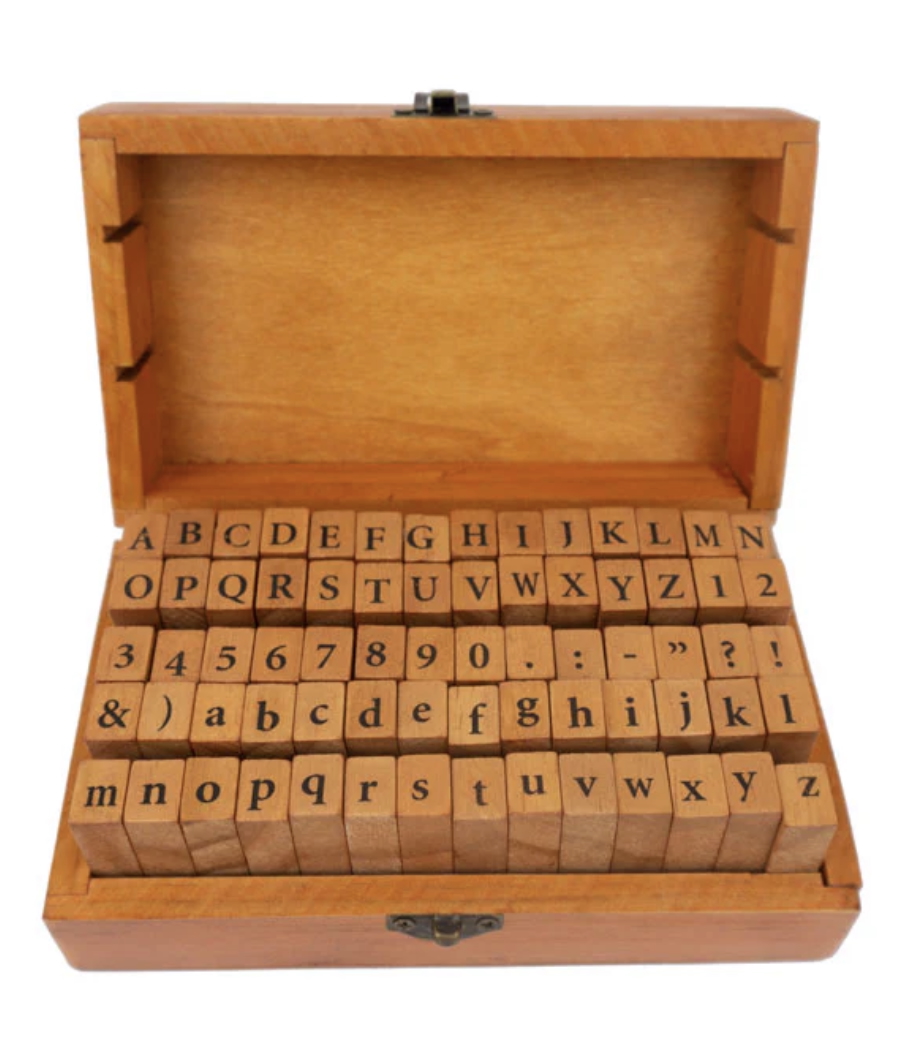
Rubber Letterpress Stamp Set from Hatch Show Print in Nashville

This stamp set is great for anyone looking to get a feel for letterpress. Hatch Show Print has been a working letterpress studio since 1879! I wish I lived closer, I would be there all the time.
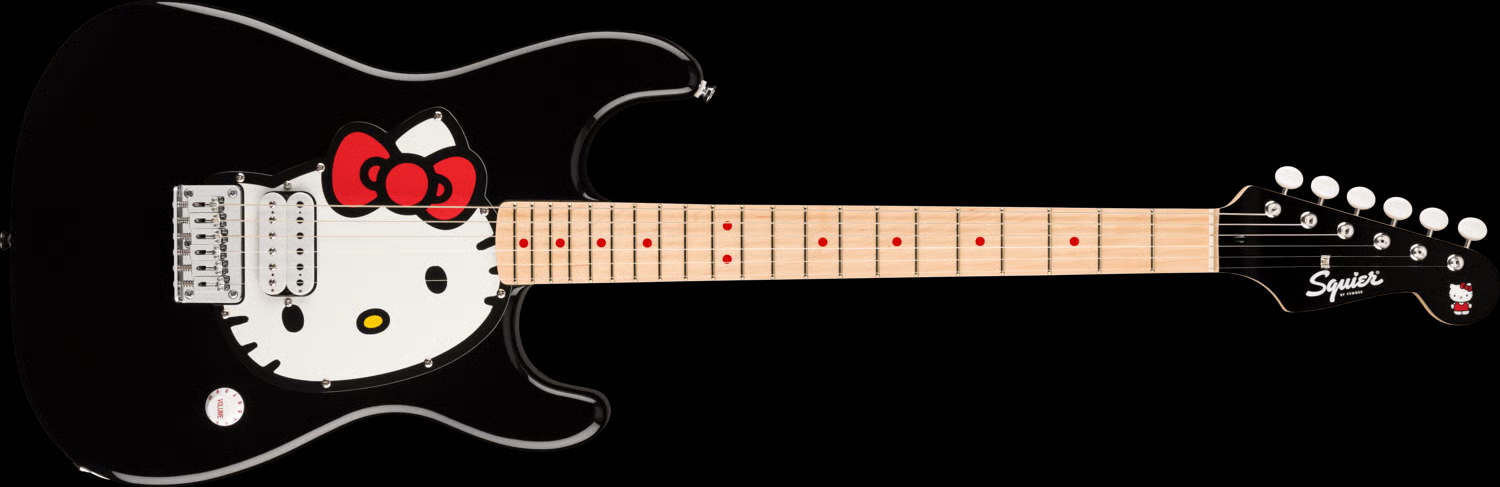
Hello Kitty Fender Black Strat Should I start a band just so I can own this super-kawaii guitar? I might.
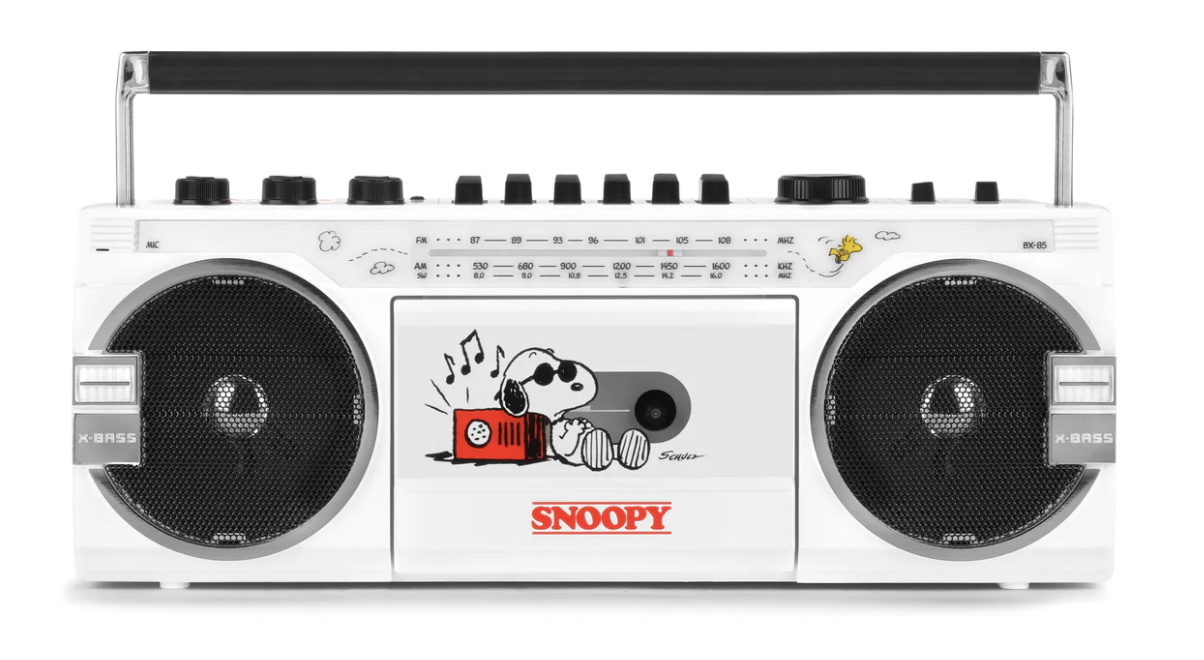
Snoopy Boombox Retrospekt just keeps refurbing and making things everyone would totally want. Via Moma Shop:

Features of the Retrospekt Snoopy Boombox include:

  • Powered by the included traditional plug-in power cord or by four D batteries (not included)
  • AM/FM/SW radio
  • Cassette play and record
  • Bass and treble adjustment knobs
  • Two built-in X-bass speakers
  • Headphone out 3.5mm audio jack
  • Bluetooth® connectivity to phone or wireless device
  • Track to track and play/pause controls for Bluetooth® connected device
  • With handle up: 7h x 14w x 6”d and Handle down: 5h x 14w x 6”d

The red telephone is not just a classic banger from Arthur Lee and Love, it’s also a product that I would love to hold up to my ear when I chat on the phone like an old person! From Moma:

Features of the Native Union Retro Pop Phone include:

  • Fun, retro phone handset design.
  • USB-C compatible with smartphones, laptops and tablets.
  • High-quality microphone and speaker for clear calls.
  • Optimized for video calls and online meetings.
  • Built-in pick-up and hang-up button.
  • Made from recycled materials.
  • Measures 8.5h x 2.15w x 2”d.
  • Cord measures 19.7” to 126” long.

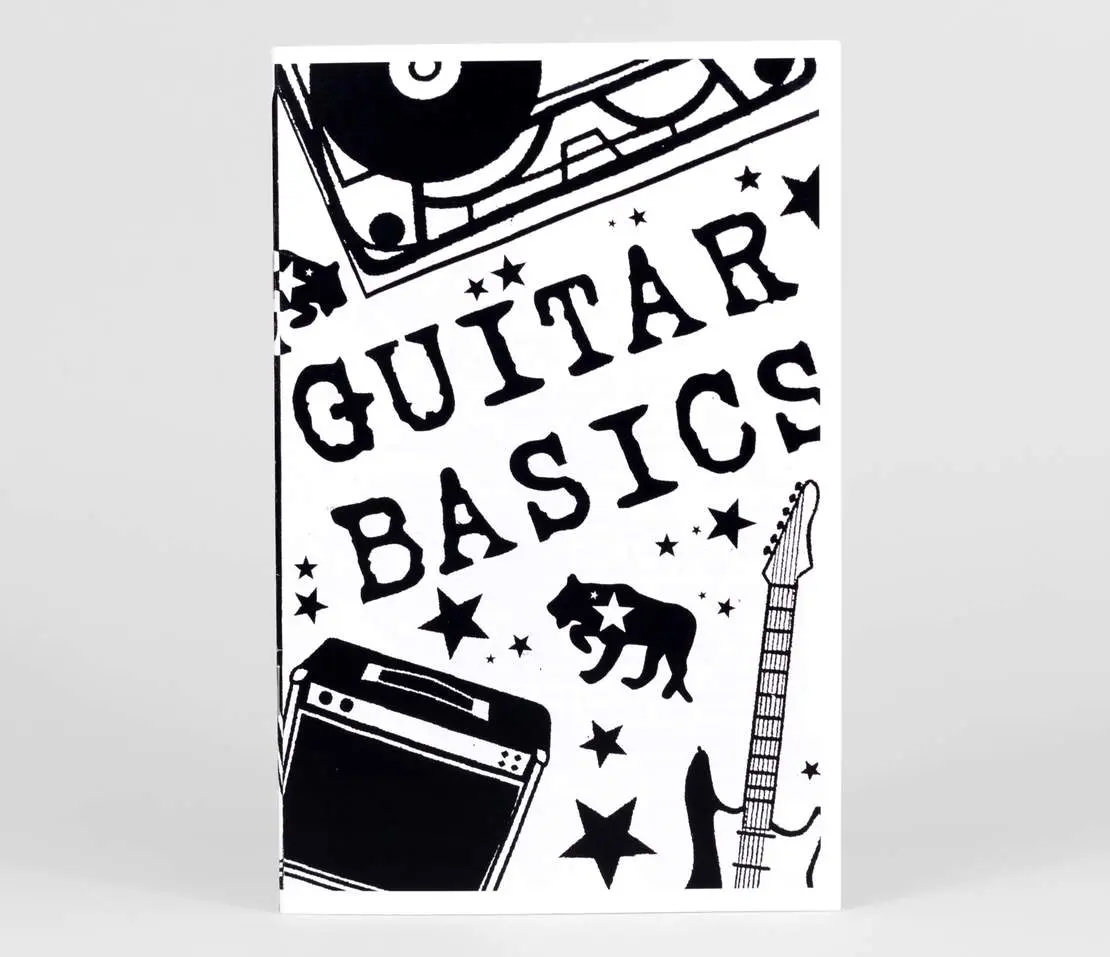
Guitar Basics from Sarah Utter For those on a budget, this mini zine from Olympia artist Sarah Utter is just the thing.

“This how-to guide for electric guitar beginners covers all the basics: tuning, chords, scales, solos, and all the other fancy-pants stuff you need to become the next Joan Jett, Jimmy Page, or Mary Timony. No ‘tech talk’ here, just good old-fashioned tricks of the trade and easy to follow diagrams.” (buyolympia)
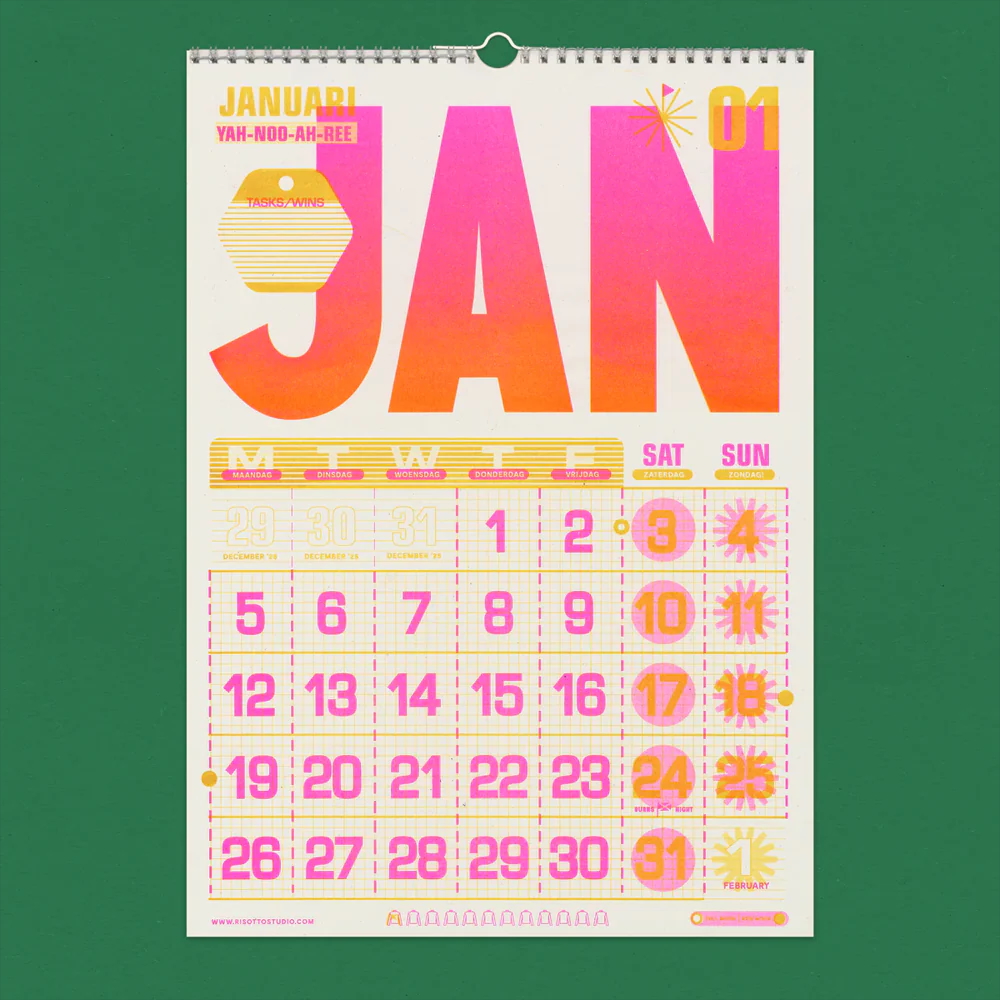
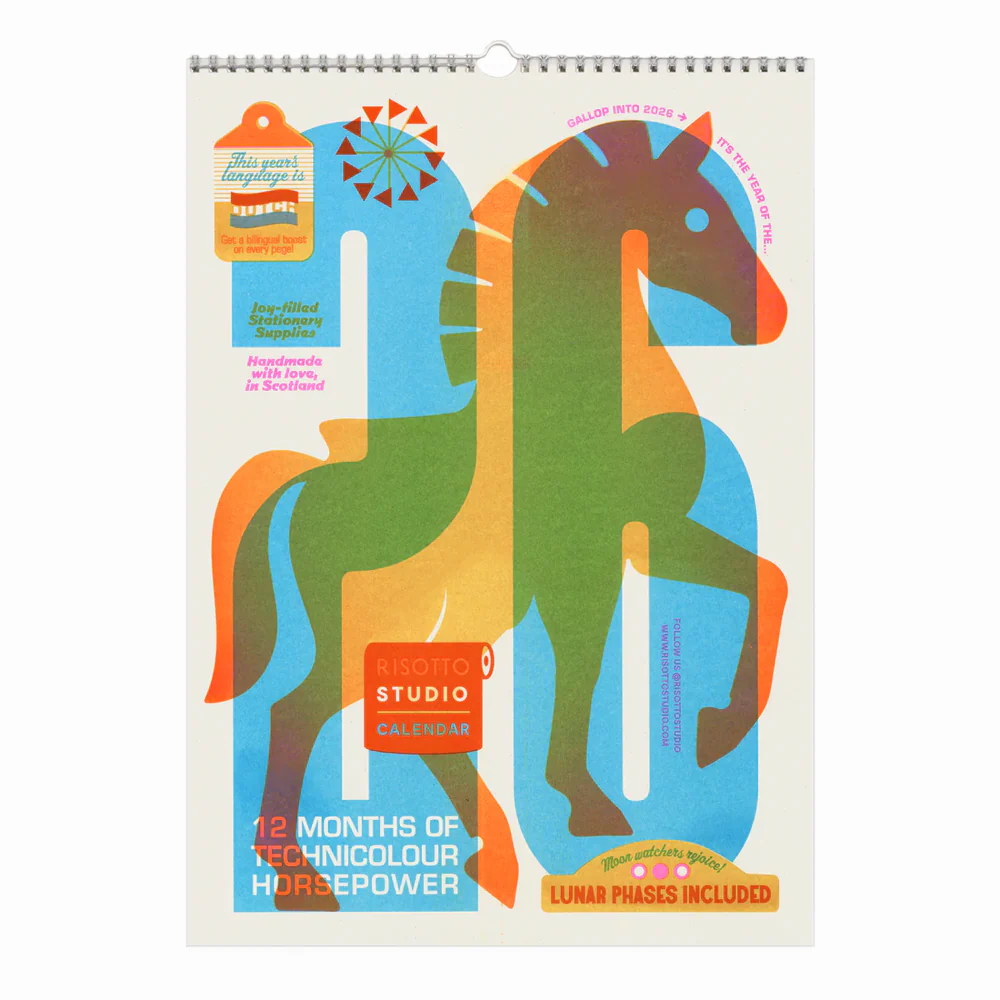
Risotto Studio Calendar at Little Otsu We love Risograph prints and this limited edition hanging wall calendar from Glasgow’s Risotto looks smashing! Twelve months of fun colors, lunar phases, and this year’s featured language is Dutch so you can also learn the days of the week and how to phonetically pronounce the months. Risograph printed in Scotland on recycled paper. White wire binding with a hanging loop, comes in a plastic sleeve.
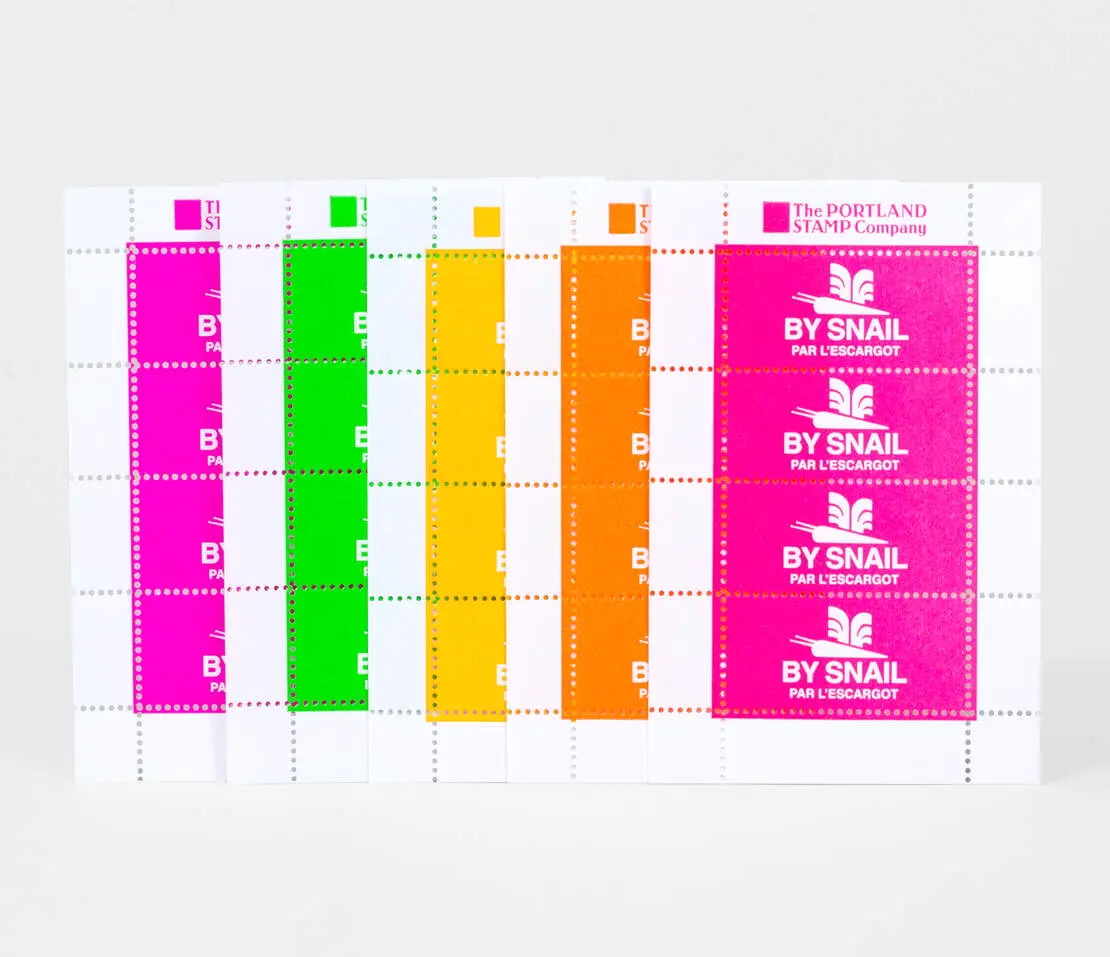
Snail Mail Stamps by Portland Stamp Company Snail mail is a lost art that we try to keep alive. These bright colored stamps will surely brighten someone’s mailbox!

Ketanji Brown Jackson stamps These poster stamps created by Lydia Makepeace featuring the inspiring Justice Ketanji Brown Jackson will benefit Women With a Vision

Affirm Black Women stamps These imaginative Limited Edition Artist Stamp No. 39 stamps by Lydia Makepeace benefit Women With a Vision. Also via The Portland Stamp Company
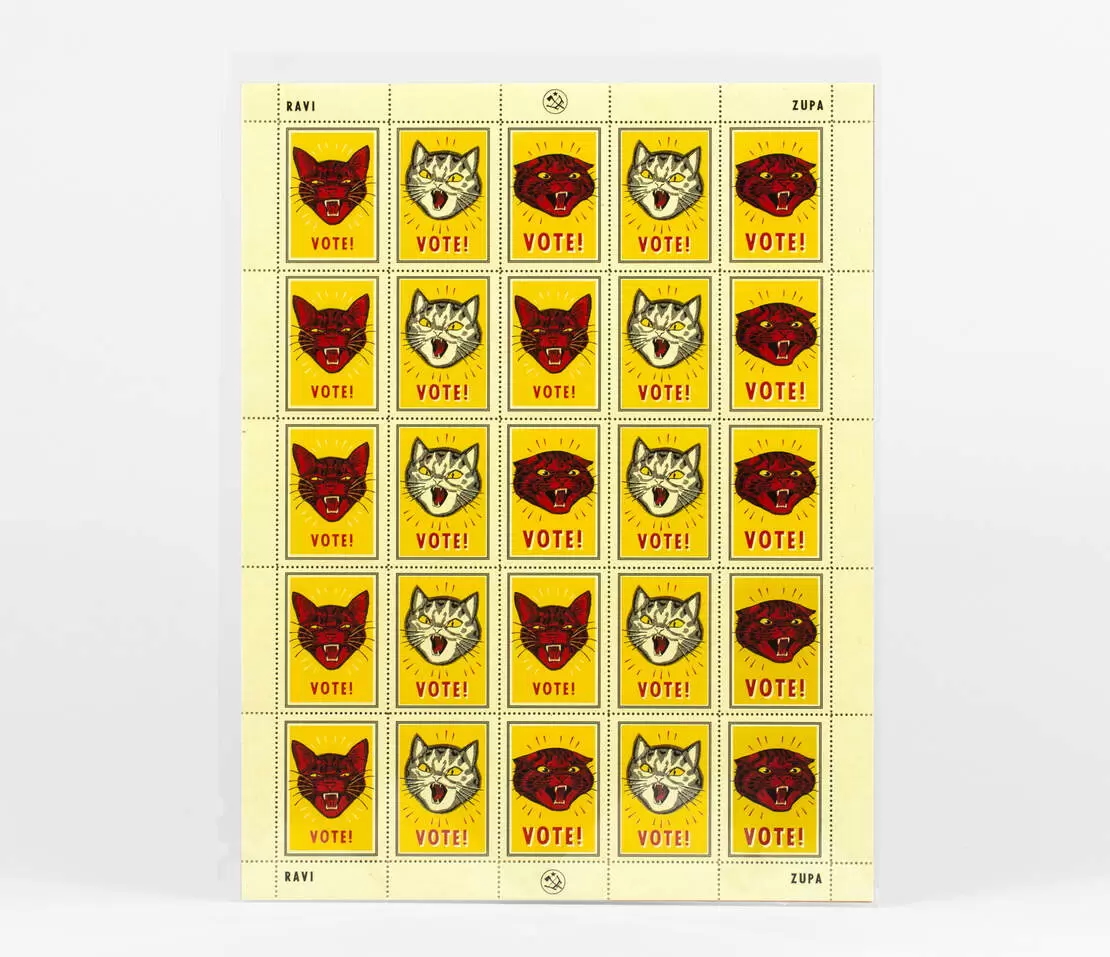
Vote! Stamps These excellent Cats Vote Poster Stamps from The Portland Stamp Company are available from buyolympia.com and proceeds benefit the ACLU.

 

Feed the People T-shirt Bitter Southerner makes great lawn flags, tea towels, and T-shirts, some of which are benefits for organizations that help the world. This T benefits Feeding America. They also publish a great mag.
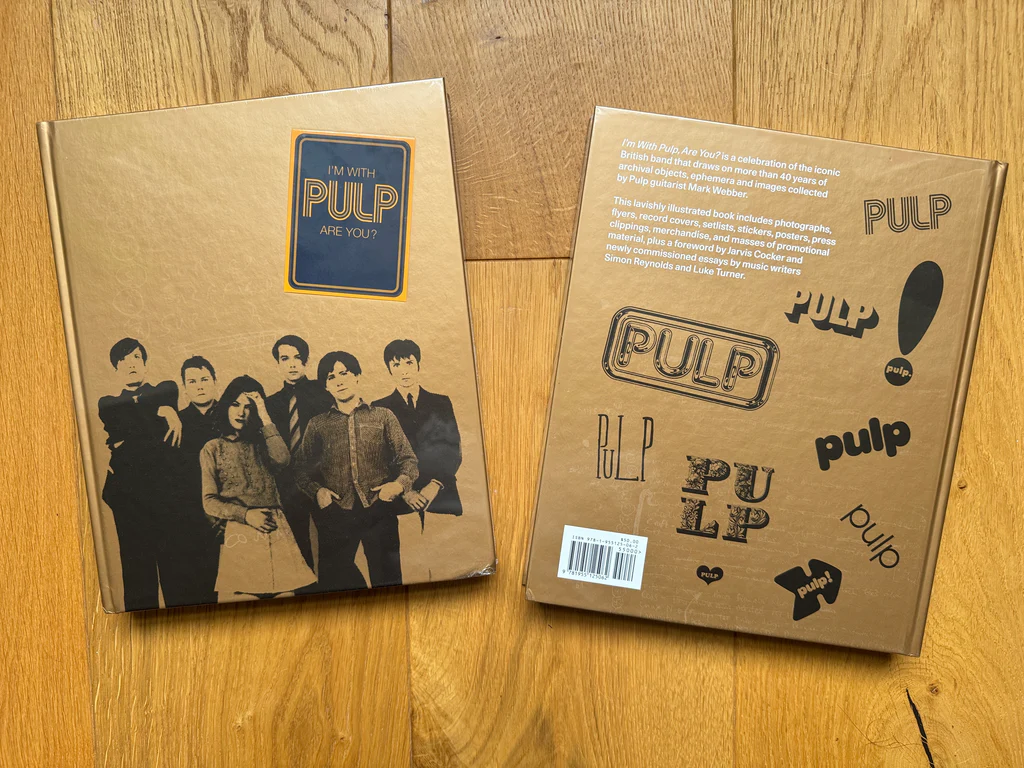
Book Excerpt: I’m With Pulp, Are You?


Exclusive excerpt!
I’m With Pulp, Are You? 

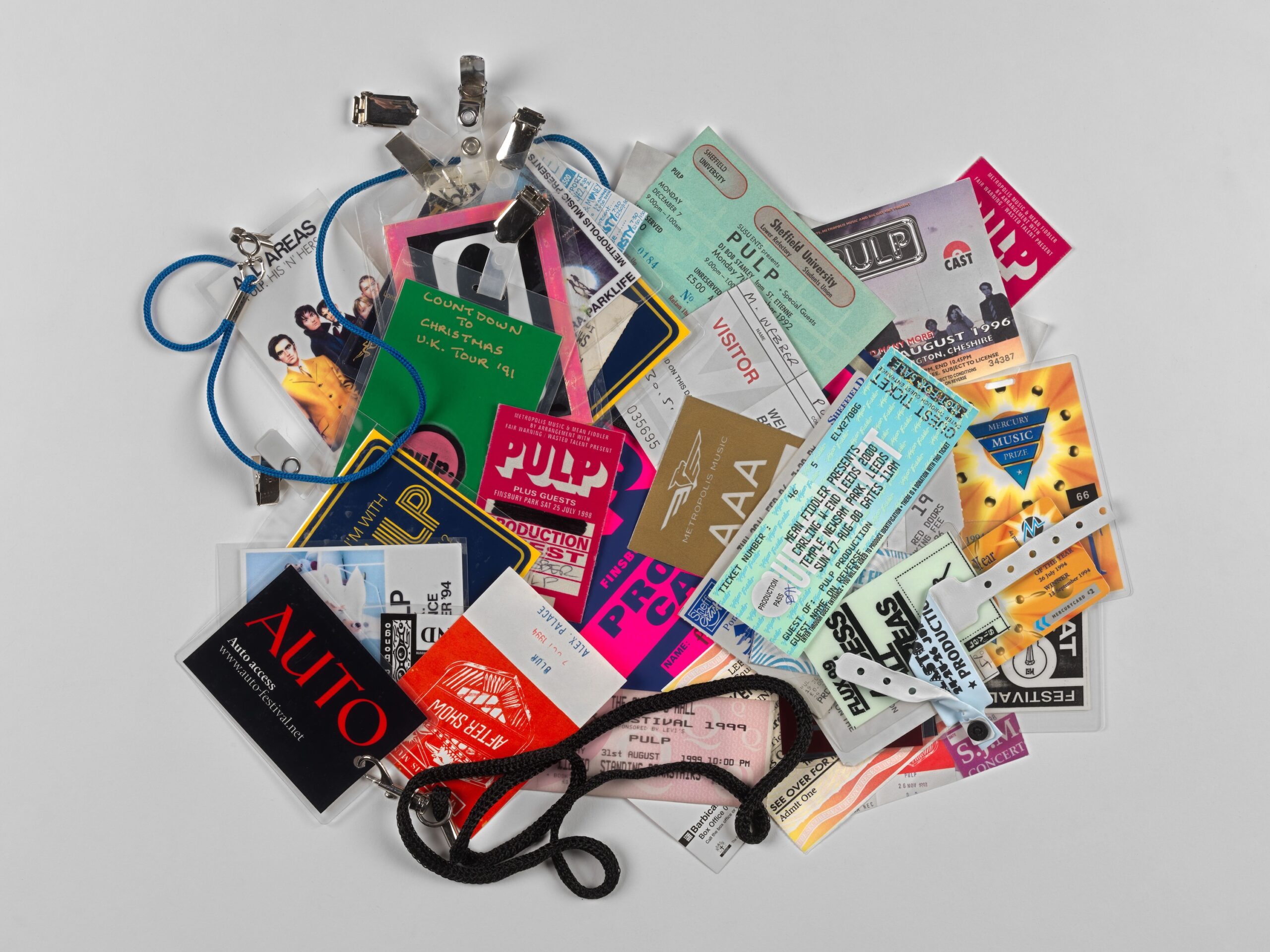
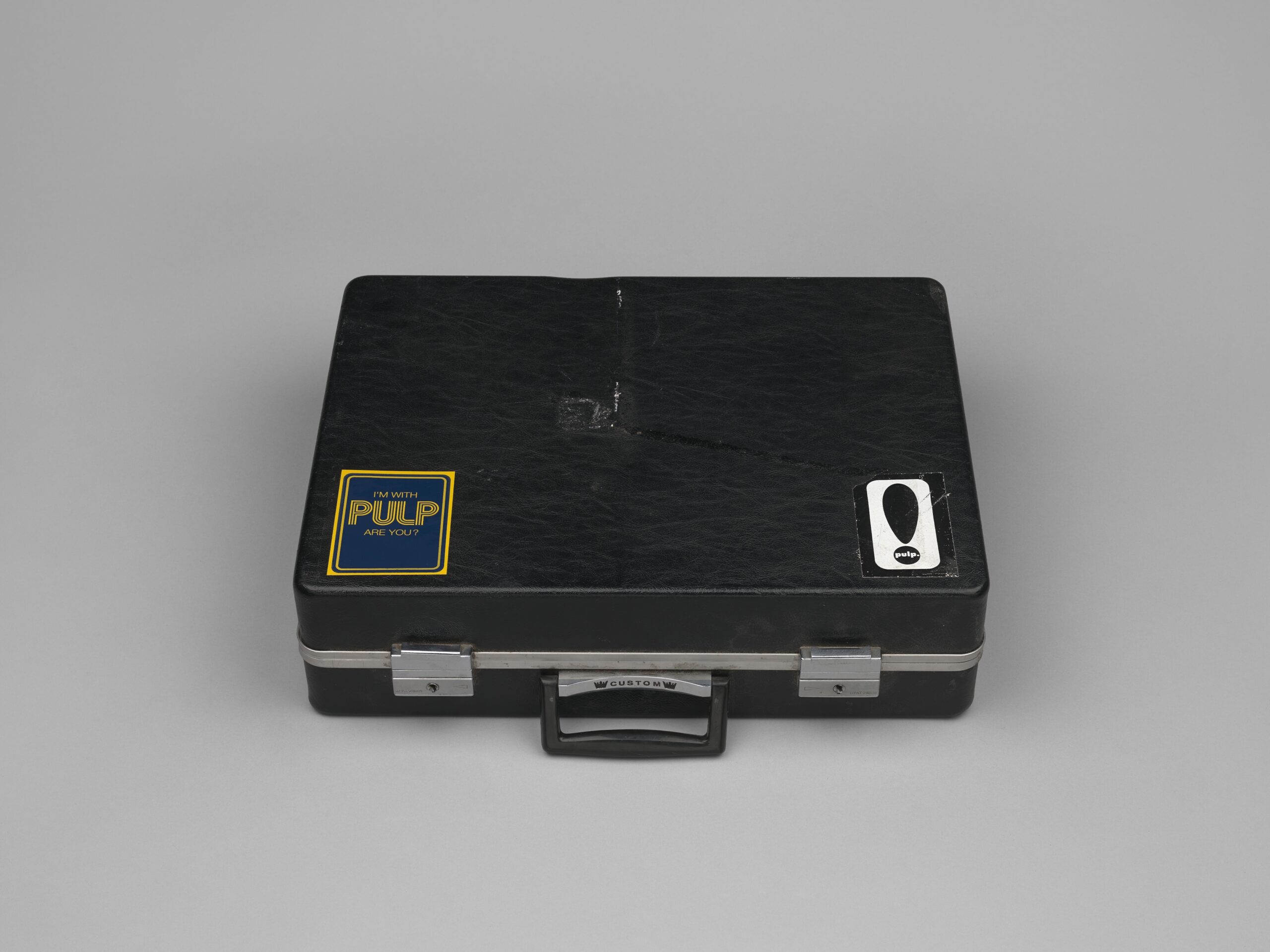
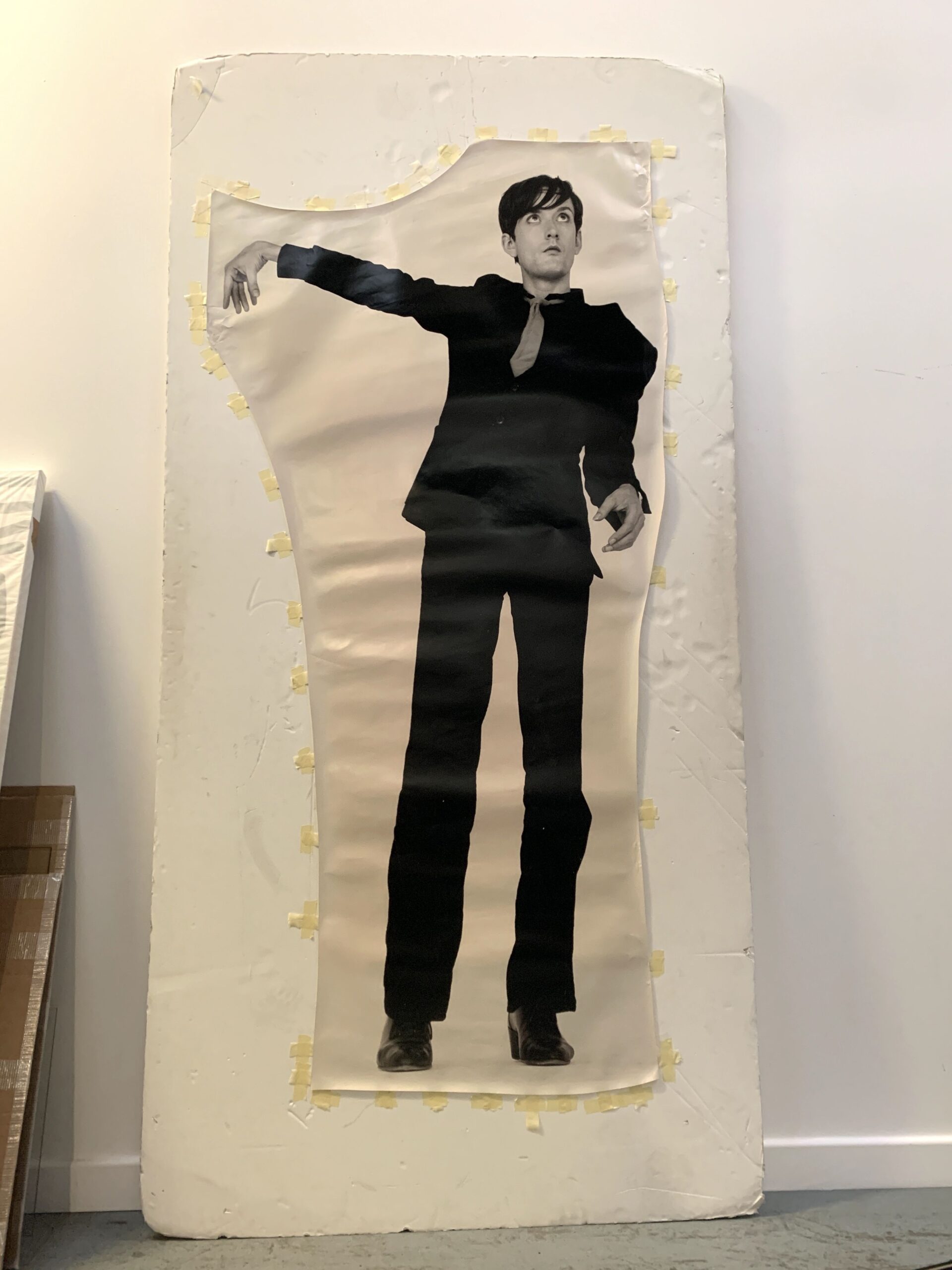
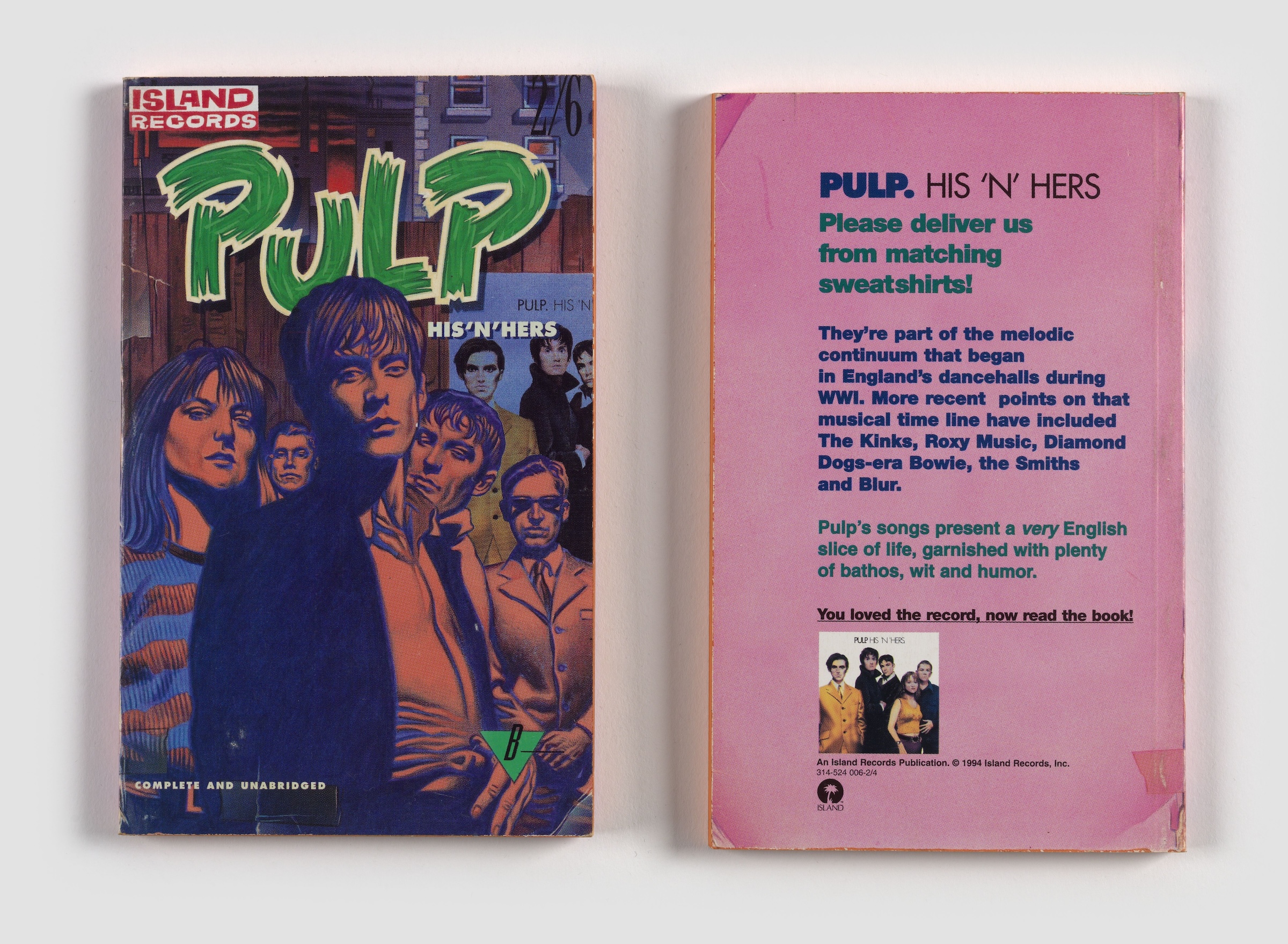
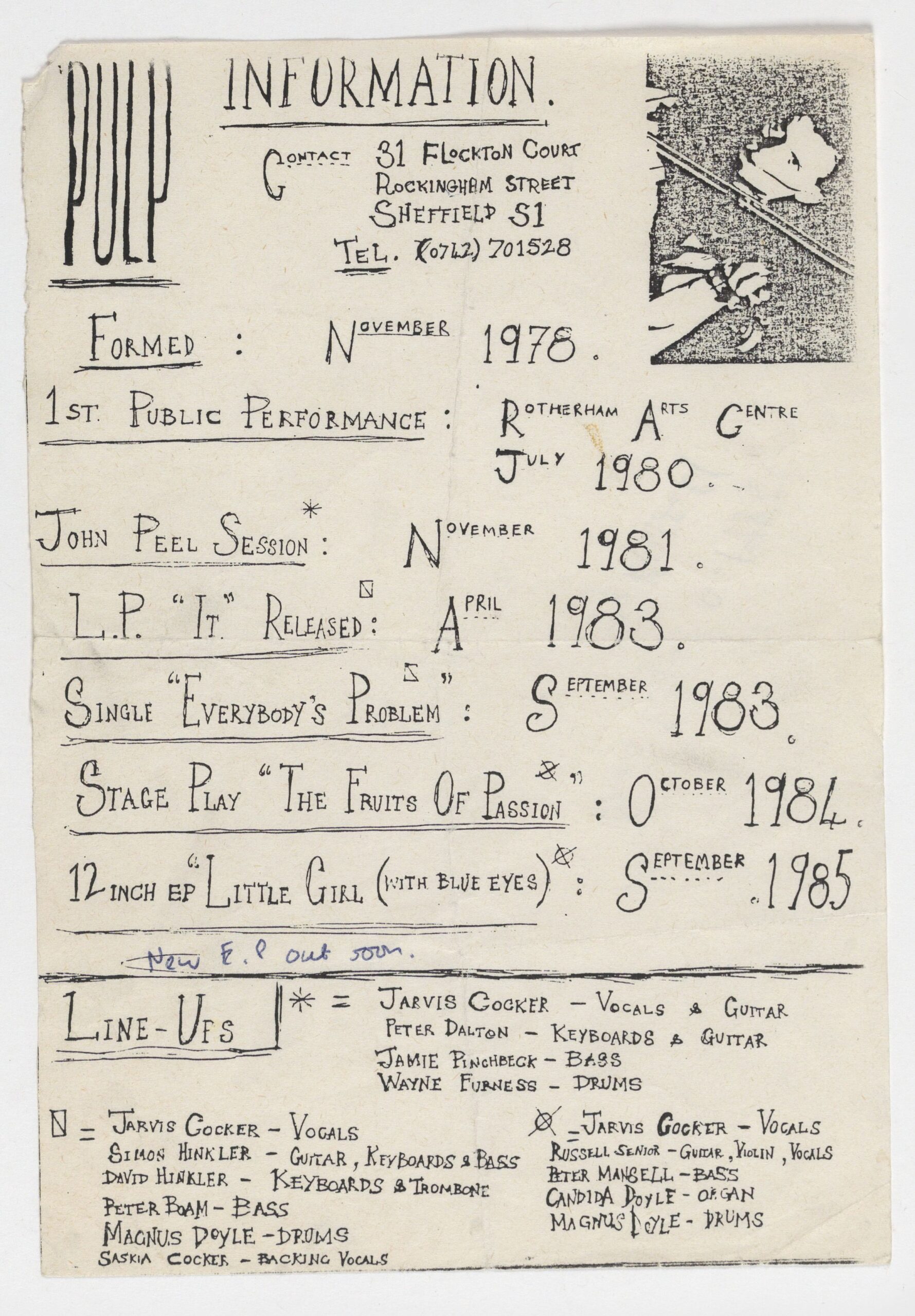
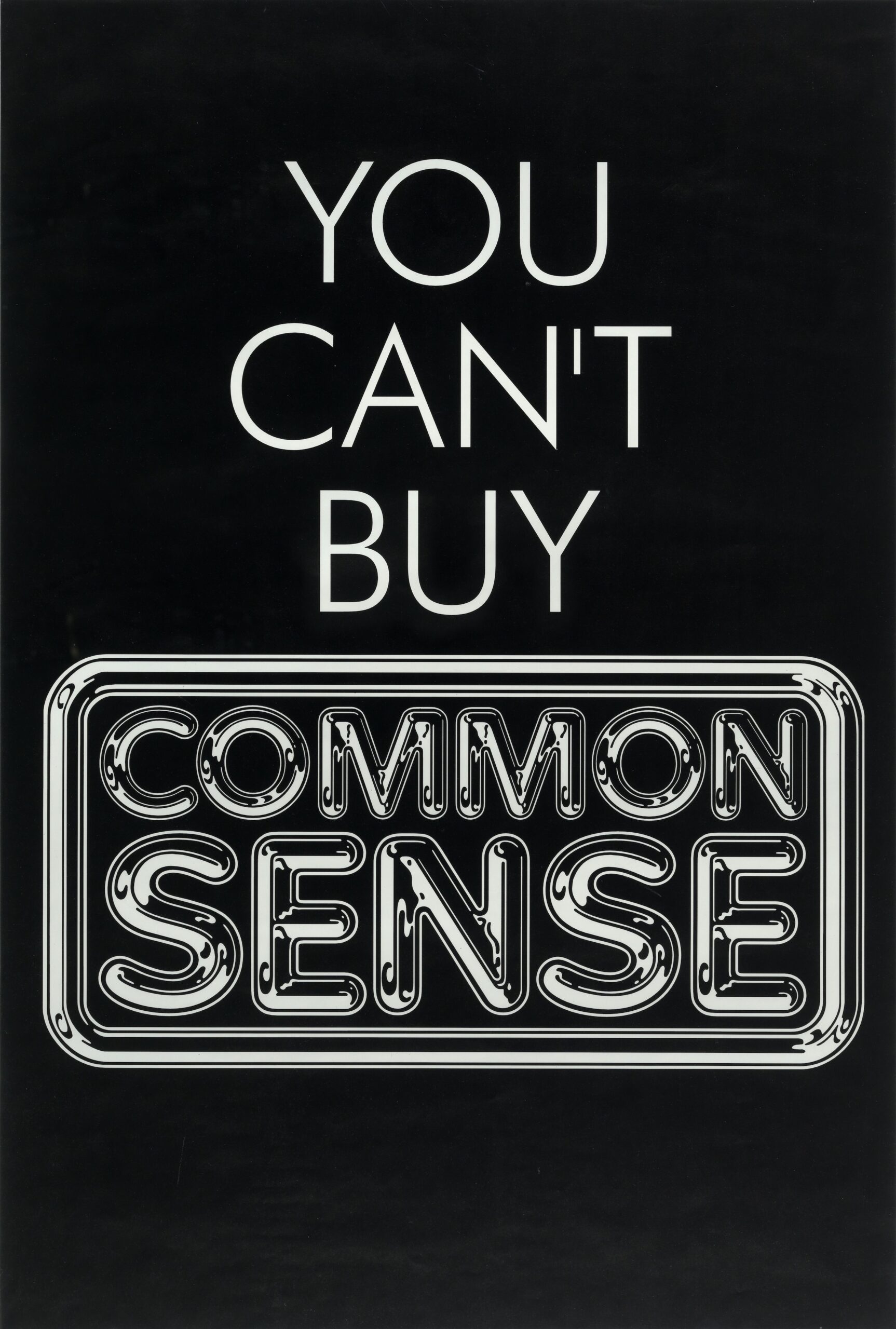
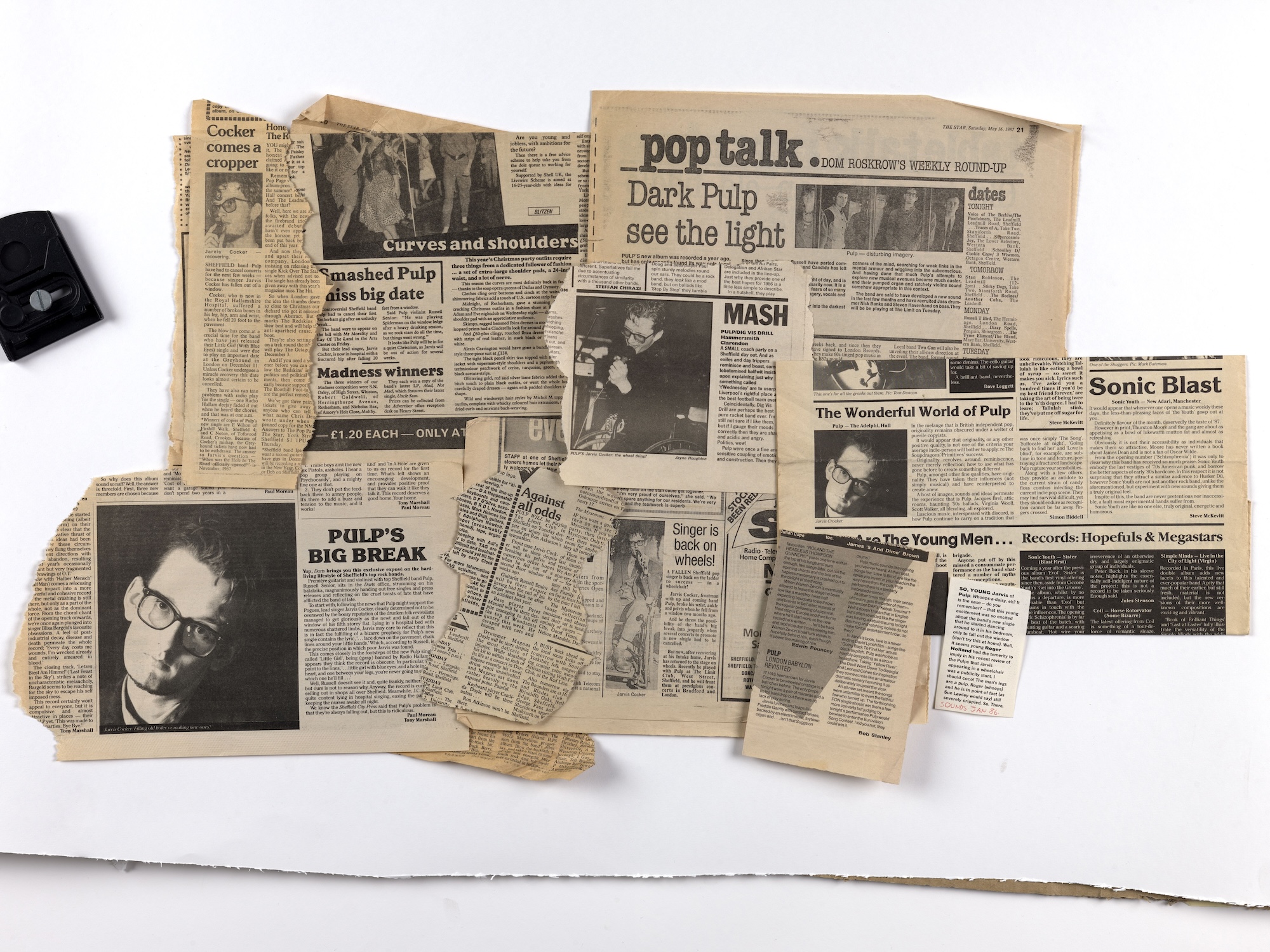
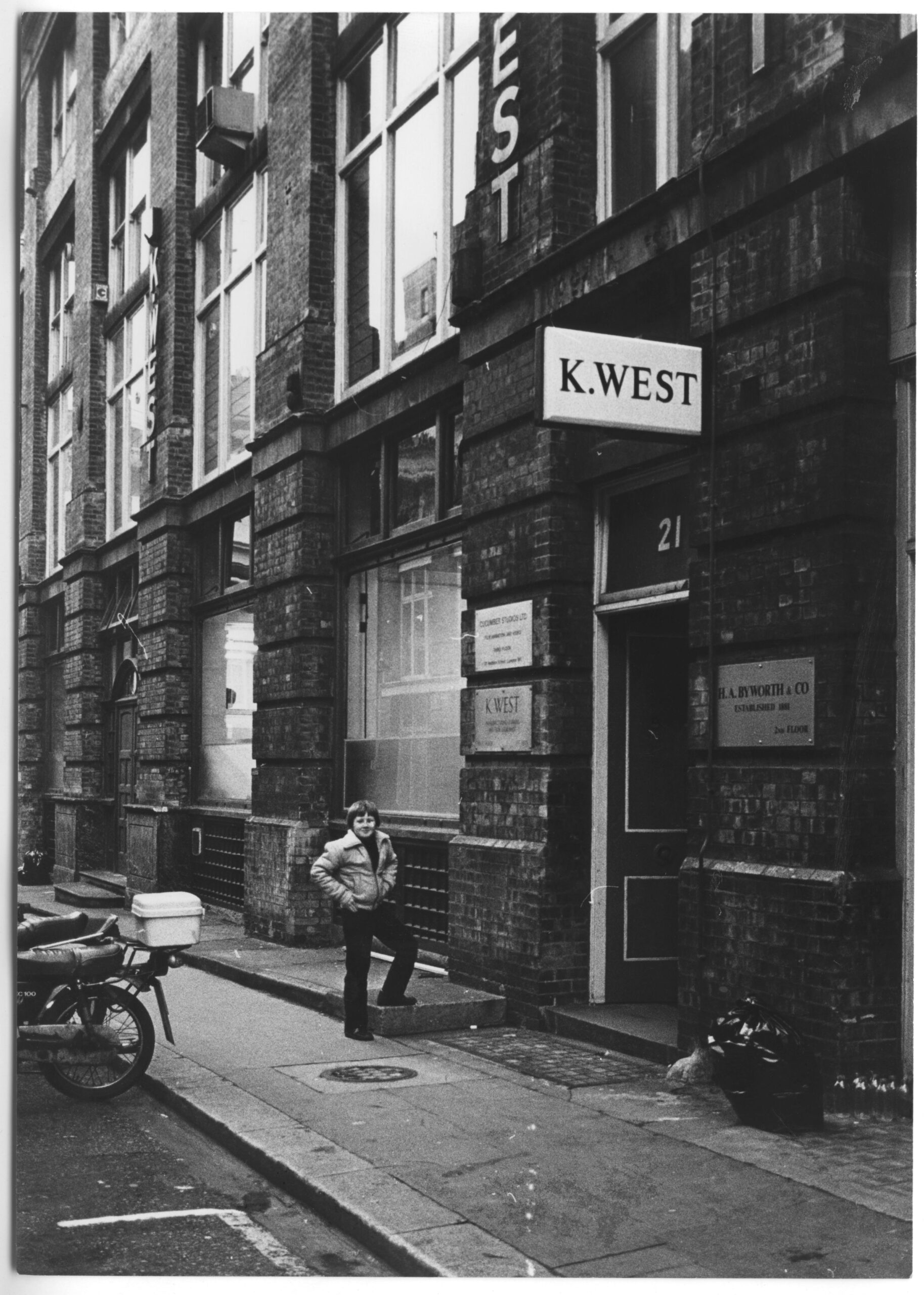
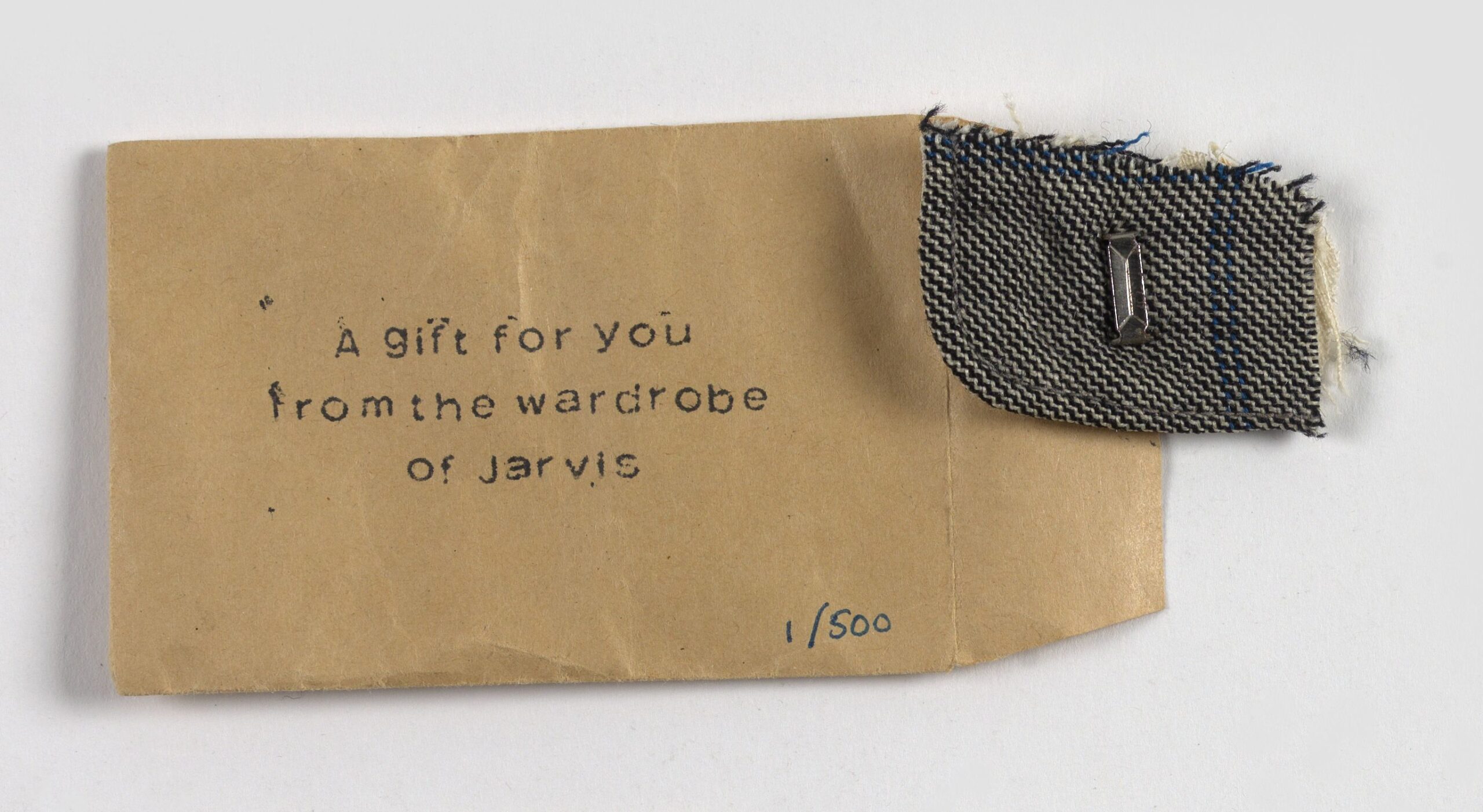
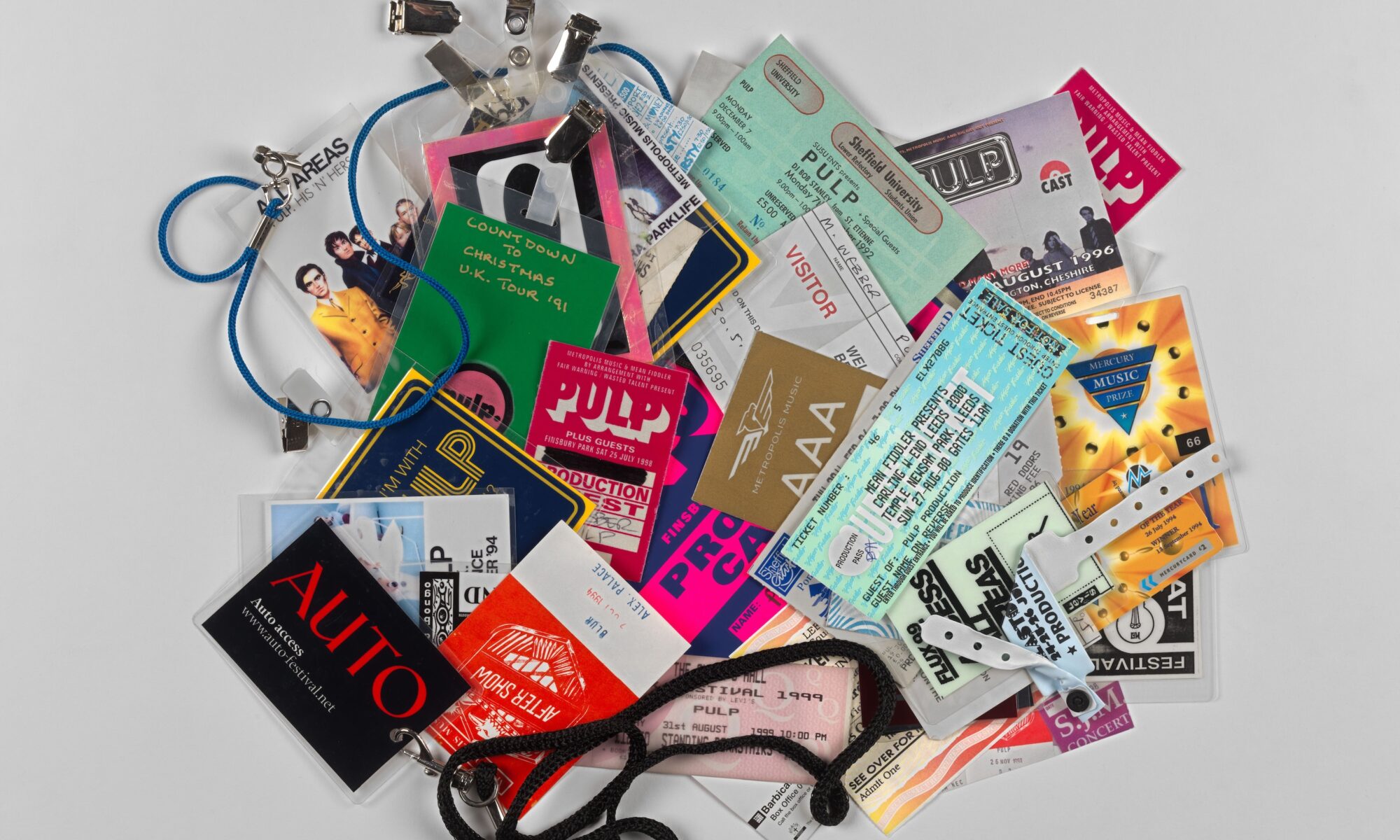
We are thrilled to present an excerpt from the new visual history of Pulp edited by Mark Webber, who started out as a teenage fan of the band before becoming their fan club president and tour manager and then joining the band in 1995 (fan dream come true!) In addition to music, Webber is a curator of artists’ film and video and has edited and published several books on cinema. The book gathers material from Mark’s extensive collection of ephemera and objects accumulated over the past 40 years. His memories, images, photographs, flyers, record covers, set lists, stickers, posters, press clippings, merchandise, and promo items help tell the story of the band. I’m With Pulp, Are You? also features a foreword by Jarvis Cocker, and newly commissioned essays by music writer Simon Reynolds and The Quietus co-founder Luke Turner.

Hardcover, 288 pages, Hat and Beard Press
Text/edited by Mark Webber
Foreword by Jarvis Cocker
Additional texts by Simon Reynolds and Luke Turner
Designed by Mark El-Khatib

Images from I’m With Pulp, Are You? courtesy of the author and publisher

Here is the excerpt, reprinted with permission from the author and publisher:

The World Was Going On Outside: Sex, Pulp & Teenage Fandom
Luke Turner

“Intake, Manor Park, The Wicker, Norton …” I’m transported back to an evening after school in the mid- 1990s, Jarvis Cocker’s deep, breathy vocals in my ear; “Wombwell, Catcliffe, Brincliffe, Attercliffe, Ecclesall …” This was the sort of stuff you found on ads for premium telephone numbers in the back of magazines, then hovered over the family telephone desperate to dial but terrified of it showing up on the bill. “… Pitsmoor, Badger, Wincobank, Crookes.” At that point, Sheffield Sex City was like nothing else I’d ever heard, miles from the increasingly bland Br*tpop on the radio: eight-and-a-half-minutes long, a pulsing bassline, Candida’s spiralling keyboards and deadpan monologue contrasting with Jarvis’ more unhinged voice describing a city consumed by sex (literally, when, at the moment of climax, the Brutalist Park Hill estate is floored by a synchronised orgasm), its inhabitants led this way and that by desperation, trying to grope their way towards one another in the pre-smartphone booty call era. It was Dylan Thomas’ Under Milk Wood via South Yorkshire and a discarded copy of Readers Wives found in a bush by the roadside.

Images from I’m With Pulp, Are You? courtesy of the author and publisher

The local branch of Our Price Records had been the conduit to this uncanny erotica of the built environment as, in the spring of 1995, I made my way backwards through Pulp’s discography from the release of Common People. Intro, a 1993 compilation of singles released on the Gift label, was a transitional record for the band, but a revolutionary one for me. It made the band seem impossibly exotic; unravelling (like a pair of nylons) what it was to be British, to expose an urgent, seamy energy underneath. “I’d rather get my kicks down below …” – I wiggled in front of the mirror to Space, twink-minced through the park with O.U., thought of my crushes to Babies, and so on. But most of all it was Sheffield Sex City that had me reaching for the family AA Road Atlas to look up these exotic place names as if I were hunting in the dictionary for dirty words. The music papers that I stood reading in WH Smiths every Wednesday might have been going on and on about Camden, but for a while Pulp made Sheffield sound like a place where Babylon pulsed behind net curtains. I dreamed of moving there and used the excuse of a university open day to bunk off school and head north for a spot of sex tourism.

Images from I’m With Pulp, Are You? courtesy of the author and publisher

I can even remember the Pulp uniform that I put on that morning: fading moleskin trousers, Dr Martens boots, a battered brown velvet jacket over a grey charity shop shirt ribbed with a synthetic material that was as itchy as wire wool, but I didn’t care because the collars were just the right side of ludicrous. At Sheffield station I disembarked in a fug of British Rail diesel fumes, bought a pack of 10 Bennies from the newsagent, and wandered out into the streets, Intro playing in my Walkman’s headphones, eyes up, getting the horn from the place names on municipal street signs amid the traffic and grime of the pre-gentrification city centre: “Woodhouse, Wybourn, Pitsmoor, Badger …”

It’s funny how quickly things change when you’re a teenager. Maybe Pulp were there for the late developers like me who got into music aged 14 or 15. For us, pop was never a sugary childhood infatuation, but oozed into our ears, tickled the pituitary gland, forever and only about hormones and sex. When Pulp released Razzmatazz and Lipgloss, I was still collecting tokens from cornflakes packets to post off in exchange for the model Spitfire and Hurricane fighter planes that would populate my cardboard cut-out RAF base. Two years later, I was wanting to cop off with the promotional cardboard cut-out of Jarvis in the local record shop. Or perhaps that’s not strictly true. I was more of a Steve man myself, with his louche floppy hair, or Russell, with his indescribable weirdness. (I’d have gone round to look at his sunglasses collection, alright!) Jarvis was different. I didn’t want to kiss him, didn’t even want to try and be him, but he offered a design for being, a space into which me and those others who I was sure were out there in Pulp-land could learn to fit our awkward limbs.

Images from I’m With Pulp, Are You? courtesy of the author and publisher

Discovering Pulp’s libidinous energy unlocked the heterosexual side of myself, even if confronted by the homophobia of school and 1990s British culture more generally. I always sung along with that line “Jesus, it must be great to be straight” with a different meaning than that with which it had been written.

Pulp’s dissection of the British libido was confrontational and explicit. The other boys at school didn’t get it at all, calling Jarvis a ‘freak’ and the band ‘shit,’ but who were they to throw insults, with their generic lad culture? Copies of Loaded magazine, Game On, Men Behaving Badly and Fantasy Football on the telly, tedious banter and boasts about what they’d done with girls at parties to which I was not invited. I never had any male friends who loved Pulp as much as I did. Back then and largely since, it was mostly women, all of whom burned a fairly intense and lustful flame for various members of the group, especially Cocker. At that age, it’s so easy to get your infatuations in the real world muddled up with feelings for the distant stars. Pulp even became the means of a hopeless attempt at flirtation at my Saturday job at Argos, where I desperately hoped to be put on shifts on the Elizabeth Duke jewellery counter with a girl who had an Italian surname and artfully smudged eyes. I made her a mixtape and invited her to a gig I was organising at a local rugby club, only for her to disappear out onto the pitch with one of the popular boys from school, her silver dress floating ghostly above him in the headlights of parental cars. Now my narrative is starting to sound like a bad attempt at writing a Pulp song of my own, but that’s why we fell in love with them – these songs of lust and failure were about our lives.

Images from I’m With Pulp, Are You? courtesy of the author and publisher

“Do you remember the first time?” the lyrics asked, but not many of us were yet at the point where we could sing the reply “I can’t remember a worst time.” The moment of fumbling awkwardness was still in the future, part of the adult world of unfortunate sex that was laid out so invitingly before us. The masculinity in Pulp countered the then dominant cult of the lad, but it wasn’t a faux- sensitive and wheedling pretence to be ‘one of the nice guys’ where sentiment is never backed up by action, the sort of behaviour that has lately acquired the soubriquet ‘beta male misogyny.’ Instead, it was unflinching and honest: the bitterness and anger that comes with sex was always present, but the power went in all directions – the stories in Pulp songs were from voyeur and exhibitionist, top and bottom, both subject and object of lust and desire. There was an acceptance that sex wasn’t going to be perfect, but a promise that it could be fascinating, complicated, funny and sometimes transcendent even in its seedy banality.

Images from I’m With Pulp, Are You? courtesy of the author and publisher

There’s often a sense, when looking at press cuttings of the day, that all this shagging meant that the media never really took Pulp quite as seriously as those of us who truly loved them did, writing about the band as if they were a Carry On film in pop form. Even in 2022, when reviewing Jarvis Cocker’s Good Pop, Bad Pop, the New Statesman claimed that during the 1990s, he “was the face of ironic detachment.” This came as a surprise to me, for whom there was nothing ironic whatsoever about Pulp. They understood the words of Oscar Wilde, that “everything in the world is about sex except sex. Sex is about power.” Pulp knew how the teenage frustrations that we were fast outgrowing also applied to the unfriendly world outside. There was nothing ironic about how they gave so many of us so much to live by.

Images from I’m With Pulp, Are You? courtesy of the author and publisher

Common People was all over the radio that spring. It was the soundtrack to not-really-revising for my GCSEs, to my first kiss with a girl, to that heady maelstrom of excitement, arrogance and terror that is being 16 years old. On May 22nd I went straight from school to buy the CD single the day it came out. Took it home, ripped off the cellophane, and put it on repeat for weeks. I loved the cover photo of the band in the sort of café I dreamed of haunting one day, if I could ever get out of the dull town I lived in and make it to the city. Left to right, Nick, Candida, Jarvis, Steve, Russell – five very different people who didn’t fit in, except with each other. It looked like a friendship to aspire to, a unit against the world and, given that Mark had just joined after years as a huge fan himself, it seemed not that remote from us either. Four lines of text on the back confirmed my infatuation: “There is a war in progress – Don’t be a casual(ty). The time to decide whose side you’re on is here. Choose wisely. Stay alive in ’95.” I loved that almost as much as the song, read it over and over and took it as a mantra. It didn’t feel like snobbery, back then, to be disdainful of the blokes in Ben Shermans who made Friday night pub trips more like running the gauntlet for me and my long-haired, ear-pierced, ladies- blouse-wearing friends. It felt glorious that a band who were all over the radio were sticking up for me, saying that actually I was right, that it was okay to defy mass culture, to not turn the other cheek only for it to be smashed into pissy town centre pavements at closing time.

Images from I’m With Pulp, Are You? courtesy of the author and publisher

It happened again with the next single a few months later. The tabloids might have fumed over the drug wrap pattern on the sleeve of Sorted For E’s & Wizz, but it was the text on Mis-Shapes that I read over and over: “We shall fight them in The Beaches – and The Stag and The King’s Head if it comes to that. You know the score – ten blokes with ’taches in short-sleeved shirts telling you that you’re the weirdo. Fear not brothers and sisters – we shall prevail. Live on.” The ten blokes might not have had moustaches, but they were familiar to us nonetheless, and Pulp gave us the psychic armour to withstand them. There was a lot of angry music available to teenagers at the time, from metal to skate punk and rap, but none of it really channelled that rage like Pulp did in a way that was familiar to our daily lives. From the “Pearly king of the Isle of Dogs” who “feels up children in the bogs” in Mile End, to ham-fisted geezers down the local pubs, brandy-drinking denizens of the commuter belt and, of course, a self-entitled Greek sculpture student, Pulp’s anger was for equal opportunities, aimed across British society and class structures.

Luke Turner writes about music, sexuality, nature, gender and history, is the co-founder of music and culture magazine The Quietus and the author of Men At War and Out Of The Woods, published in the USA and Canada by Greystone Books.

Read the rest of this essay and the whole book:
Preorder in the UK.
Preorder in the US.

Sept. 25 LA book event info here

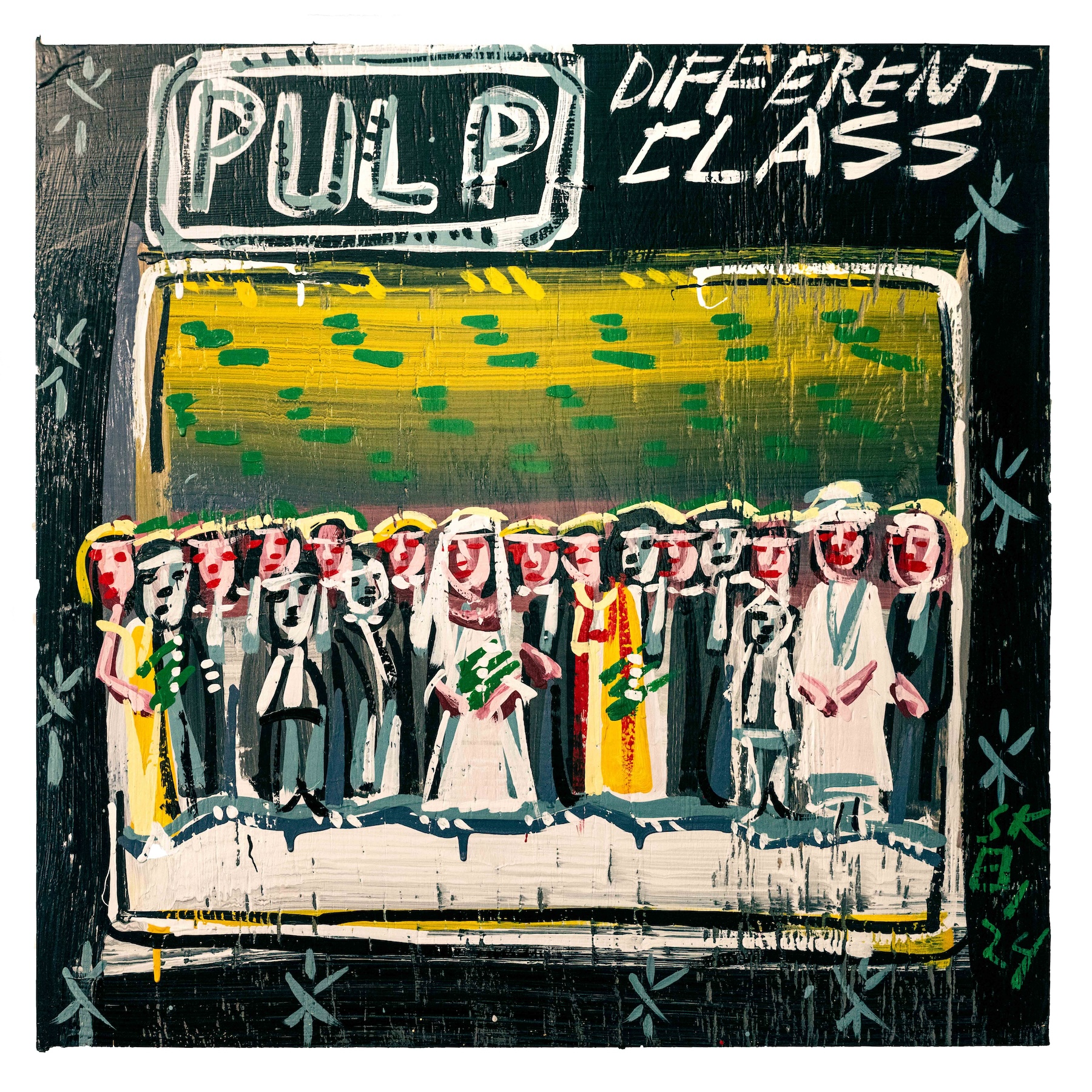
‘Different Class’ Pulp Album Art Painting by Steve Keene, Photo Credit: Daniel Efram / Not actually in the book 🙂

Images from I’m With Pulp, Are You? courtesy of the author and publisher


chickfactor’s holiday gift guide

Capitalism is evil! But you can still support artists, musicians, photographers, and small businesses by using our handy holiday (or anytime) gift guide! We want everything here and you will too. 

Great book where women get to speak! By Audrey Golden


Amazing looking book about some trailblazers

Preorder Mary’s new one and get a slip mat

Cool shades from a fabulous American band

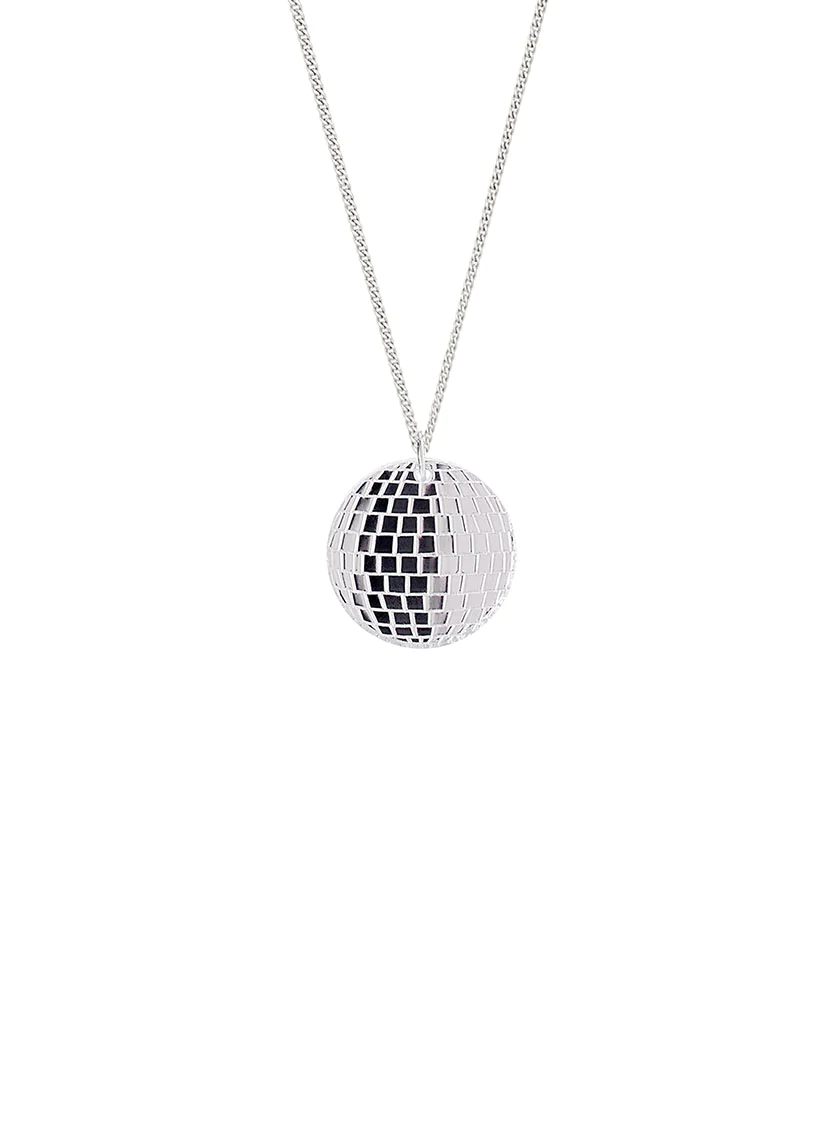
Disco ball pendant from Tatty Devine

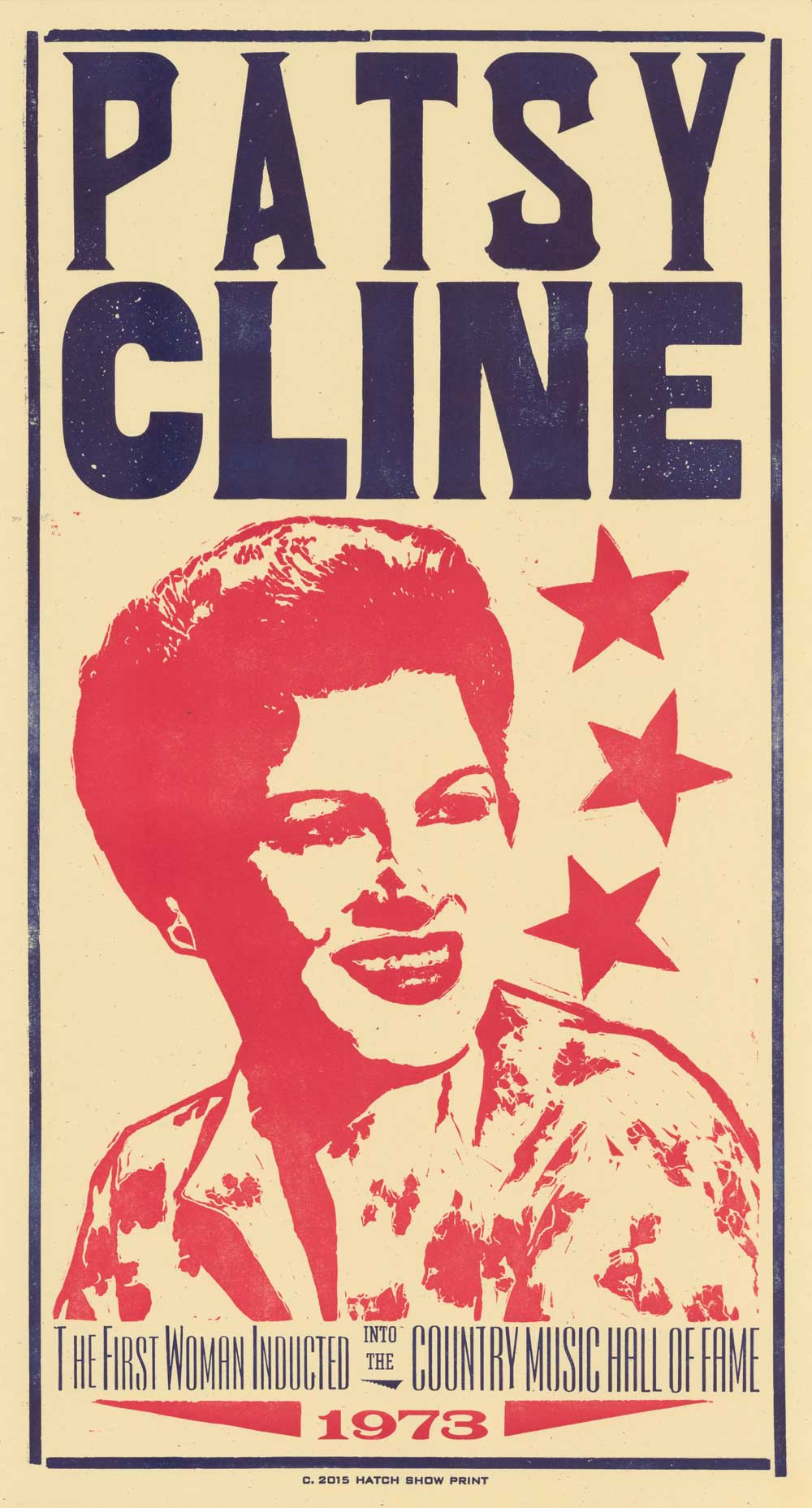
I got to visit Hatch earlier this year and I want it all. 

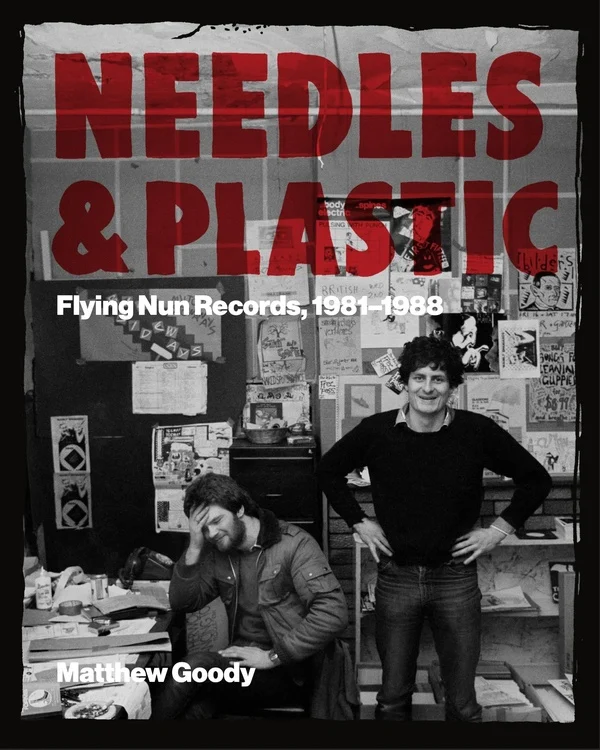
Book about influential New Zealand label with wonderful photo of Hamish on the cover

Memoir from a living legend! 

Memoir from another living legend!

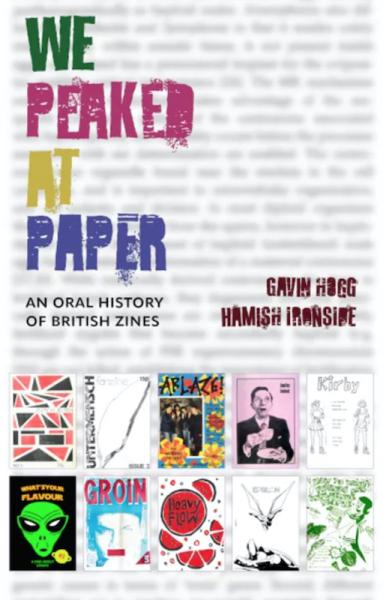
Great looking oral history!

Get it from a great Chicago record store

Belle and Sebastian book of lyrics

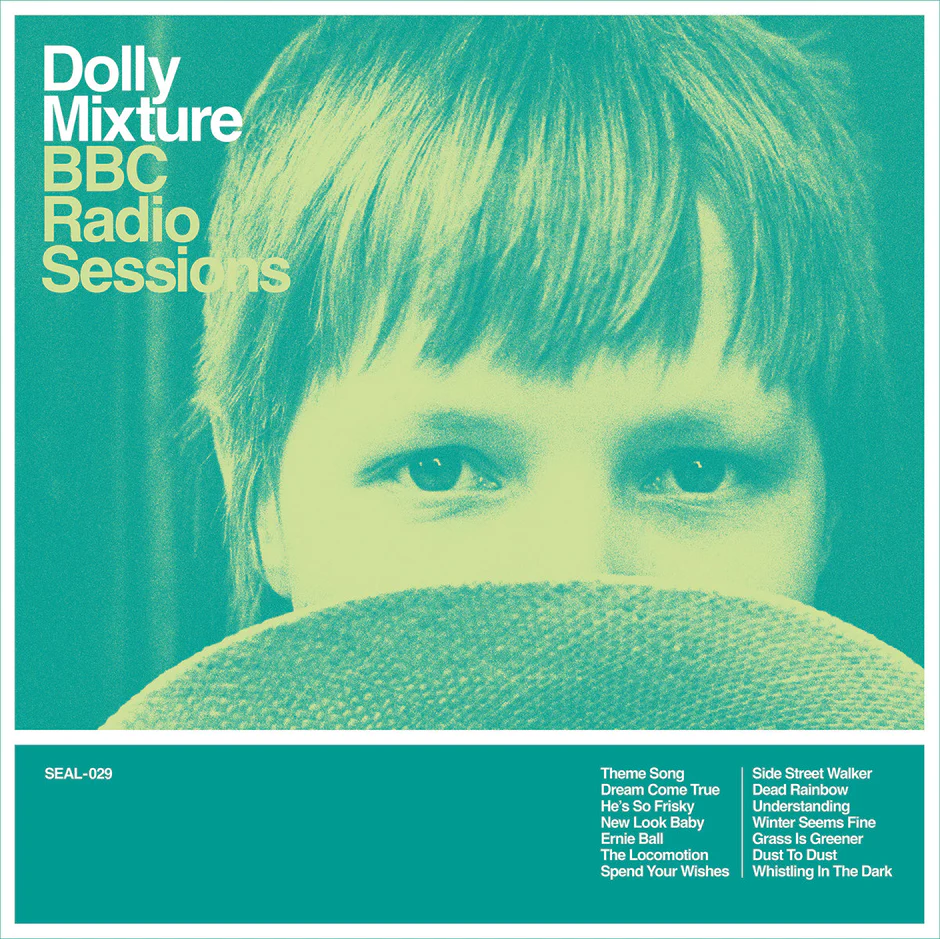
Beautiful BBC Radio Sessions from Dolly Mixture

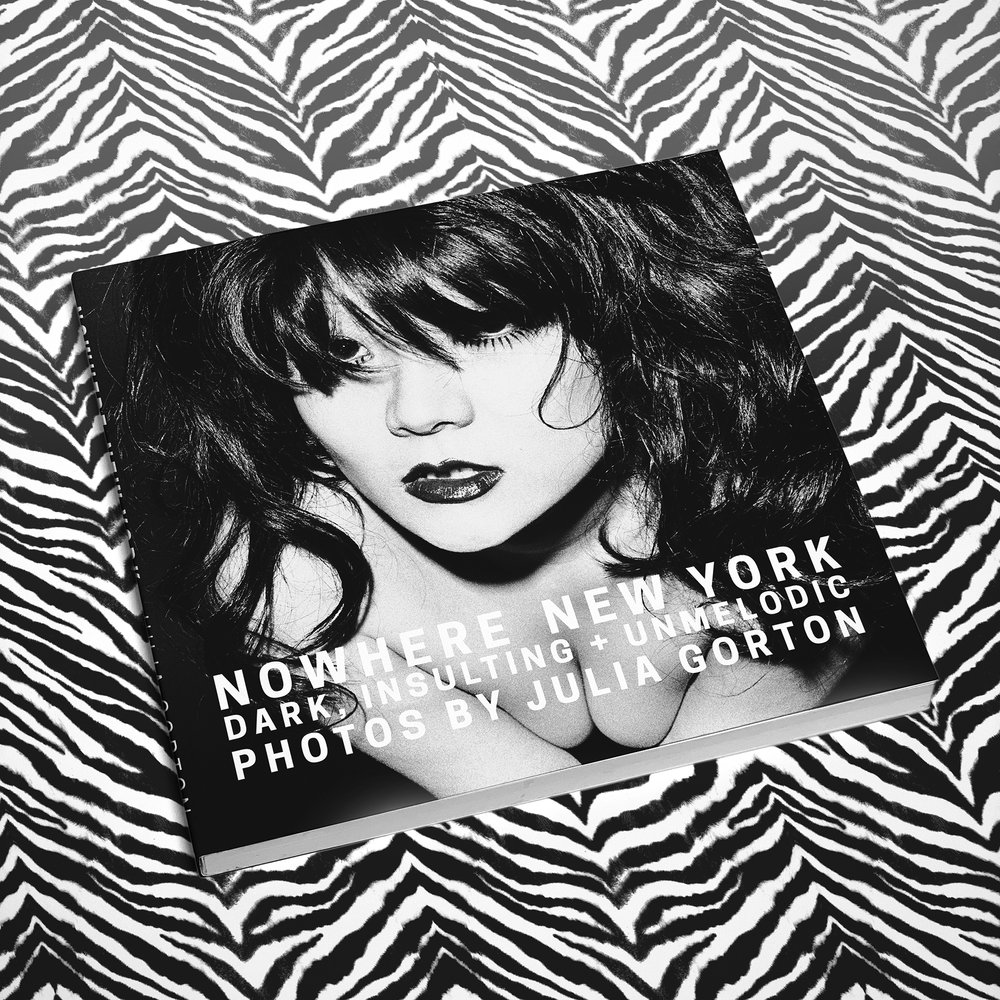
Nowhere New York gorgeous photo book by Julia Gorton

Saint Etienne hoodie

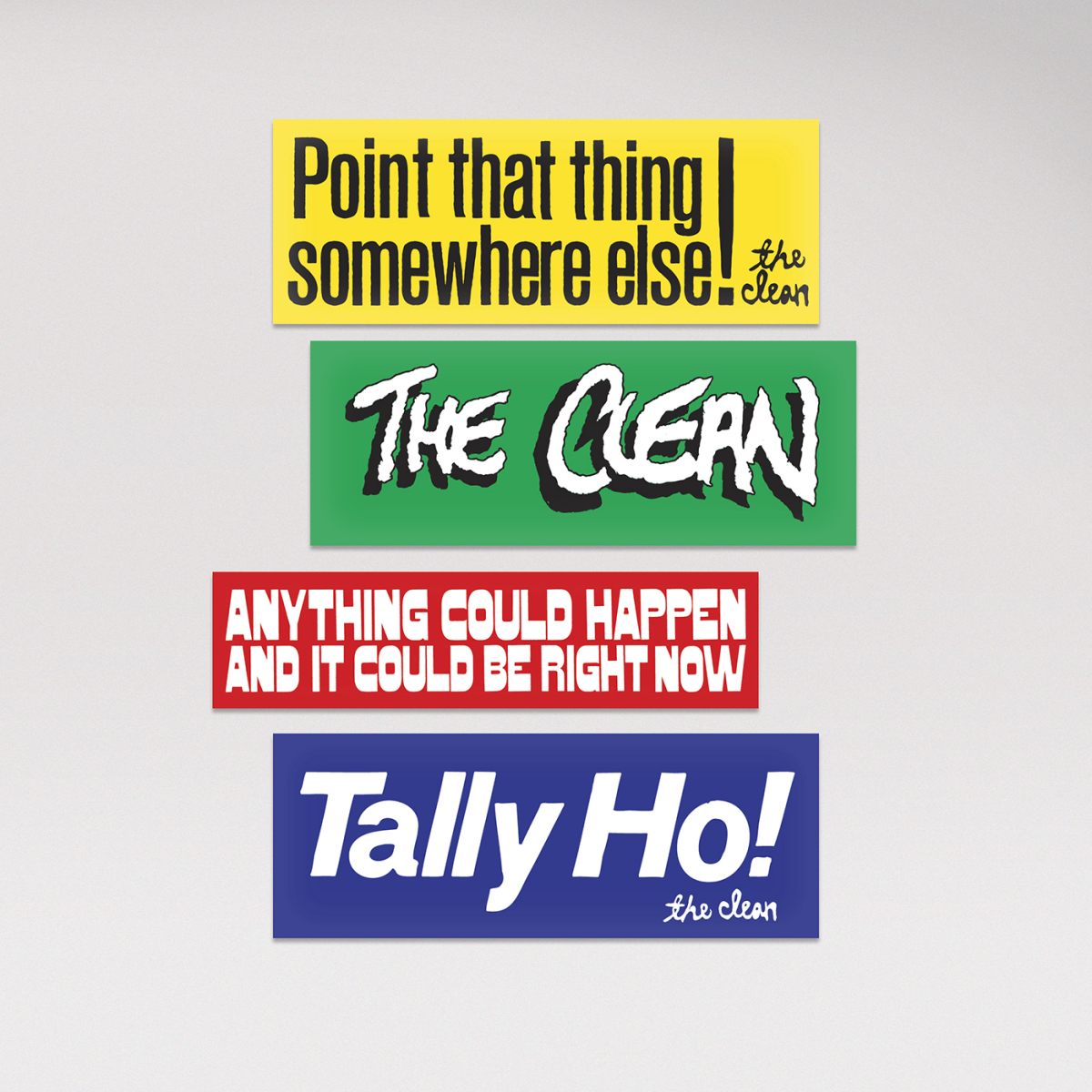
Budget gift: Clean stickers for $5

Certainly one of the most beautiful holiday records ever made.

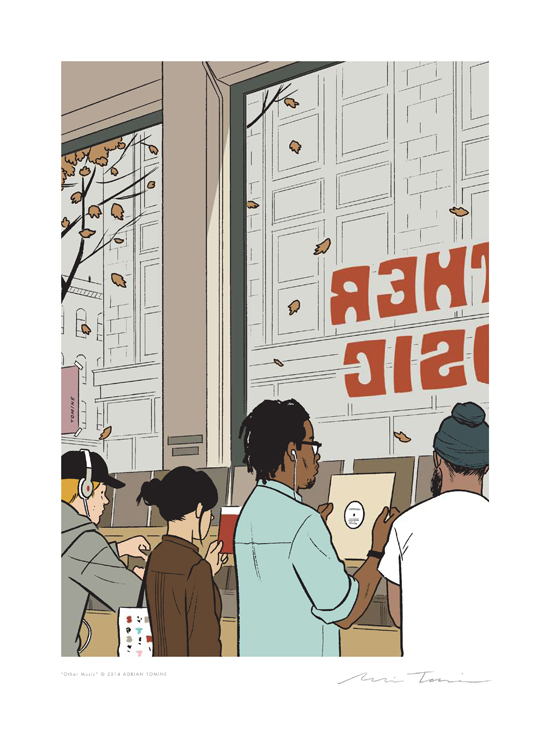
This one really makes me sigh: Adrian Tomine Prints

Recently excerpted on our site and selling fast! 

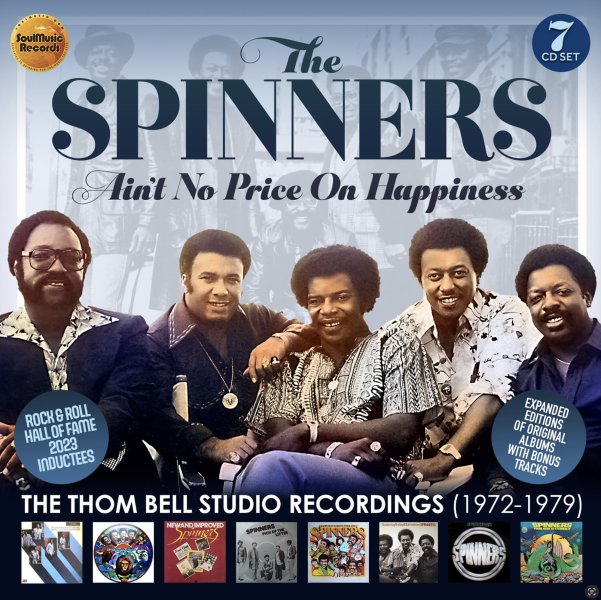
Thom Bell was a genius and the Spinners one of my favorite bands! 

Ace looking new book from Chris Stein! 

of course zines make great gifts too!