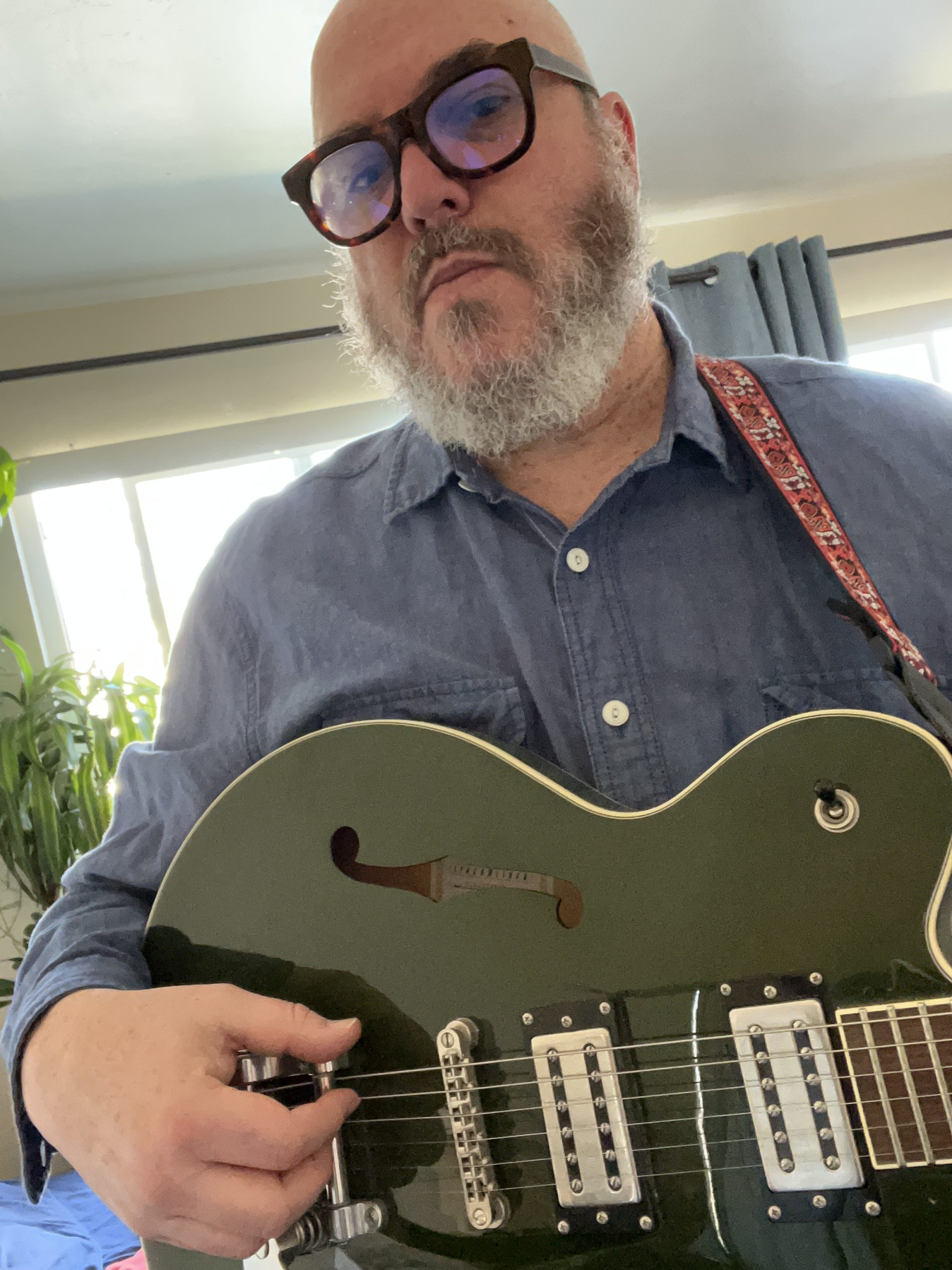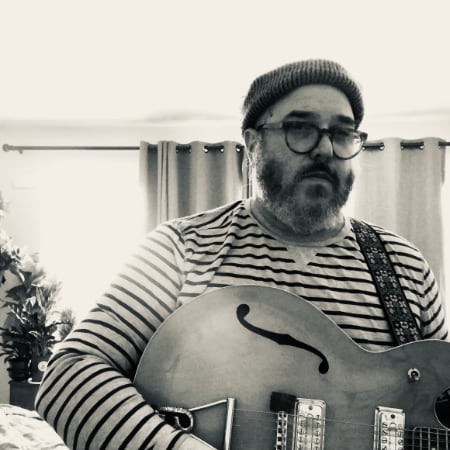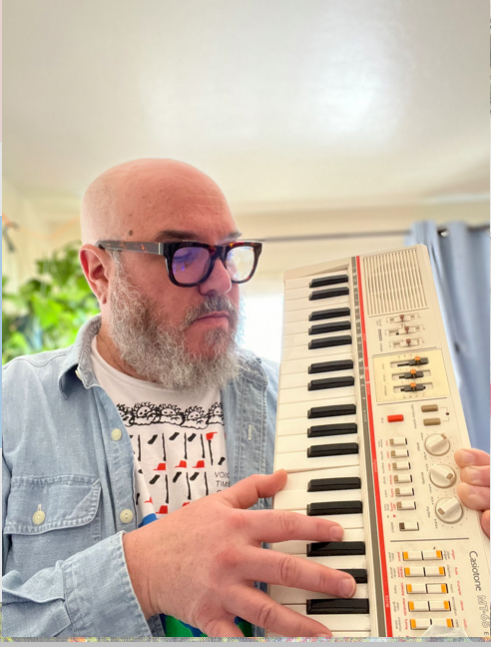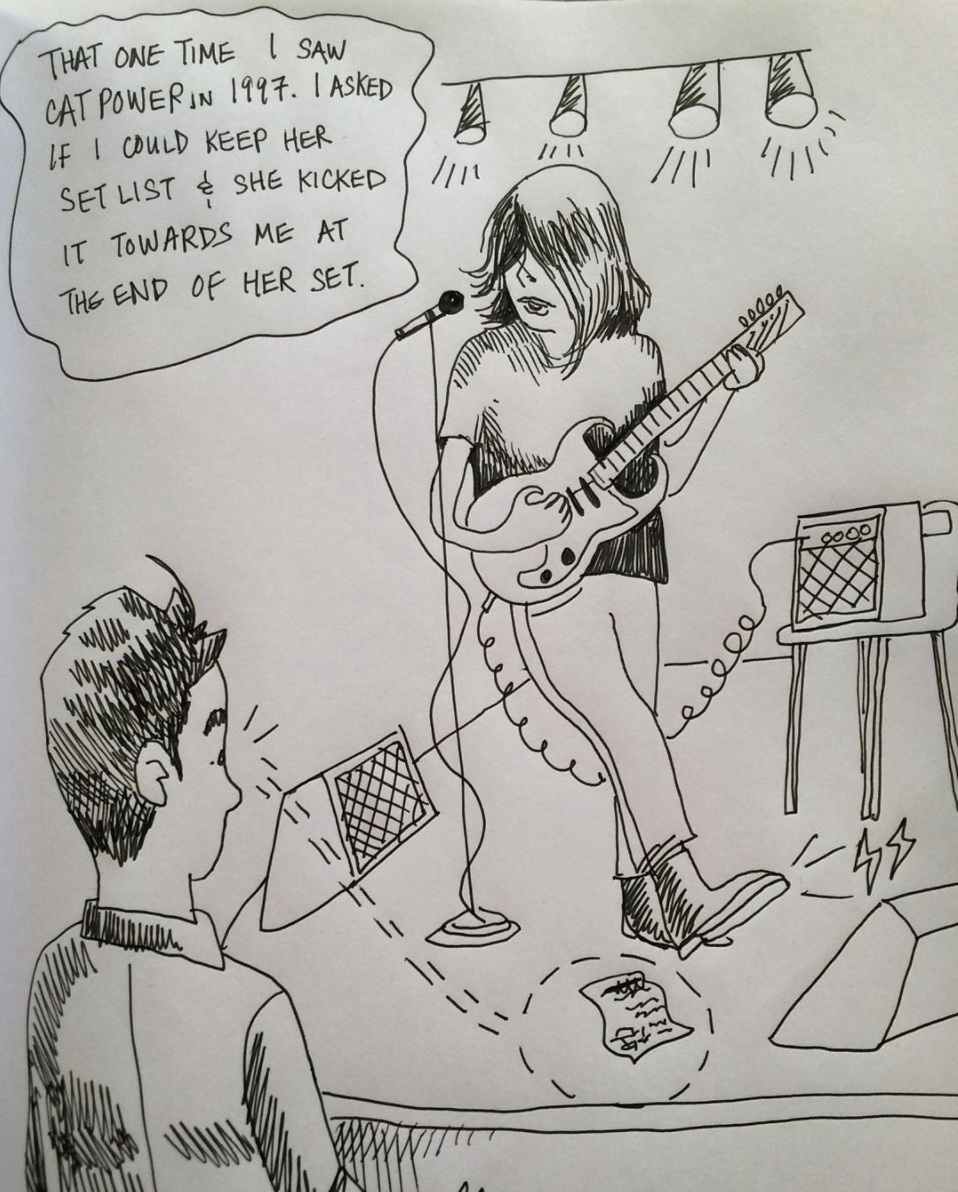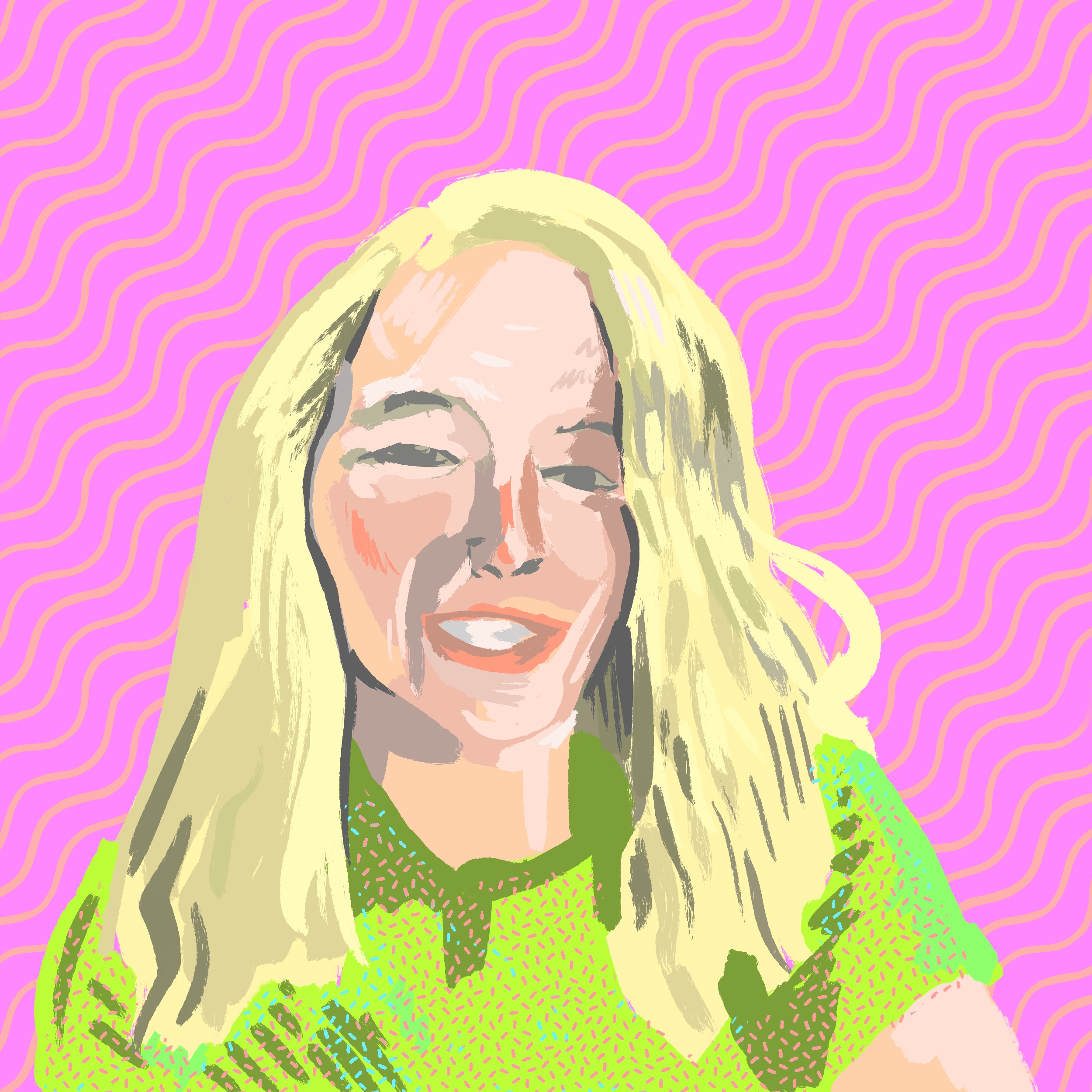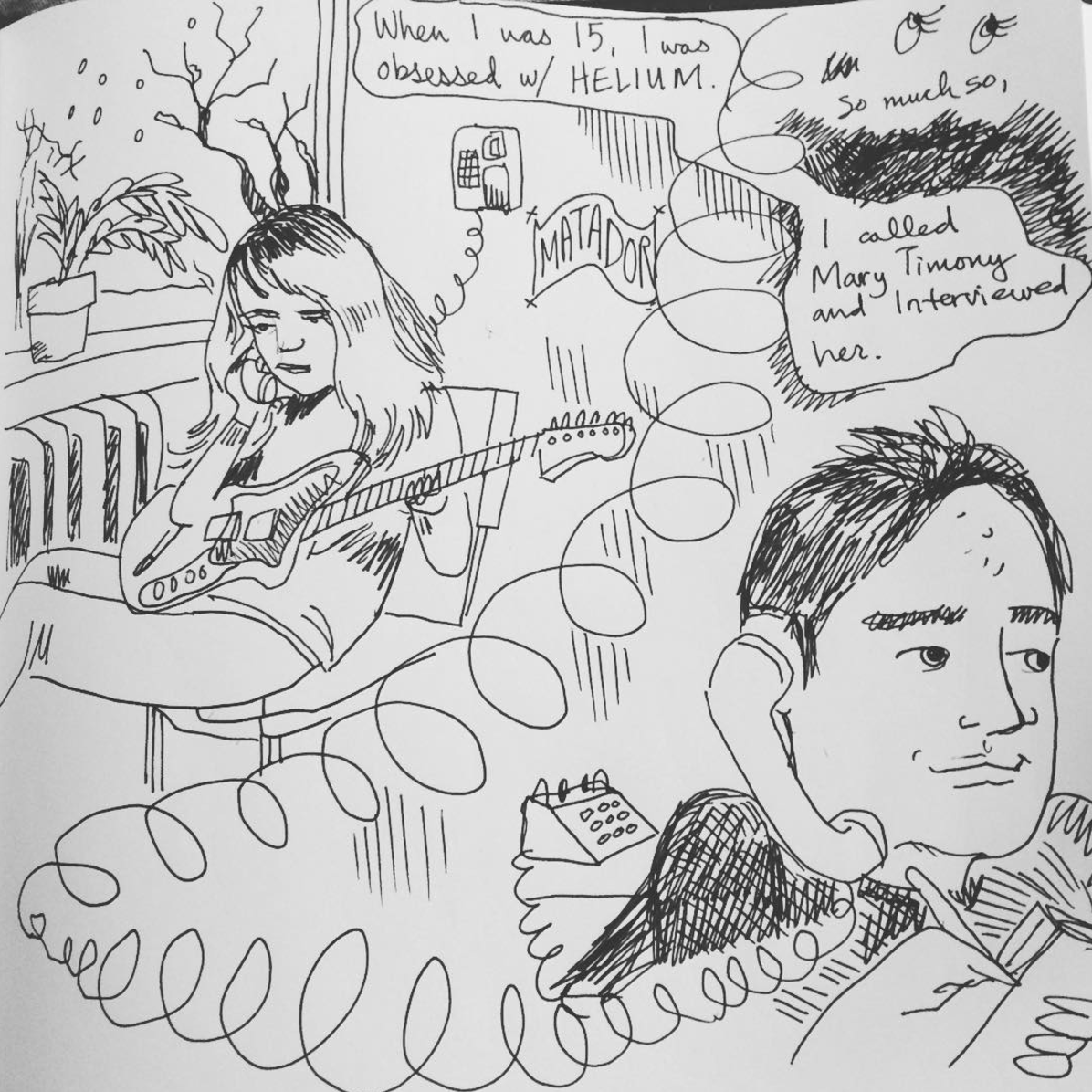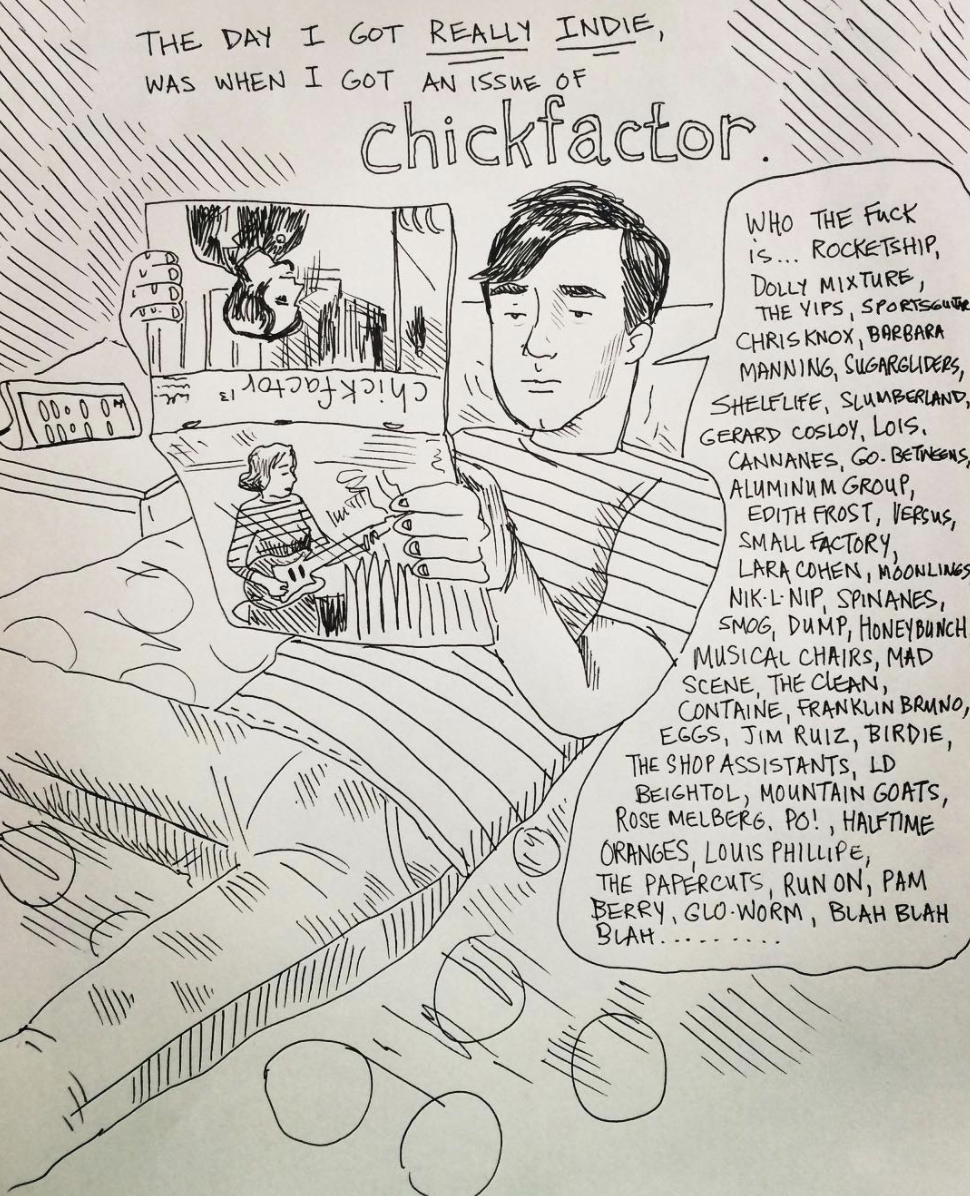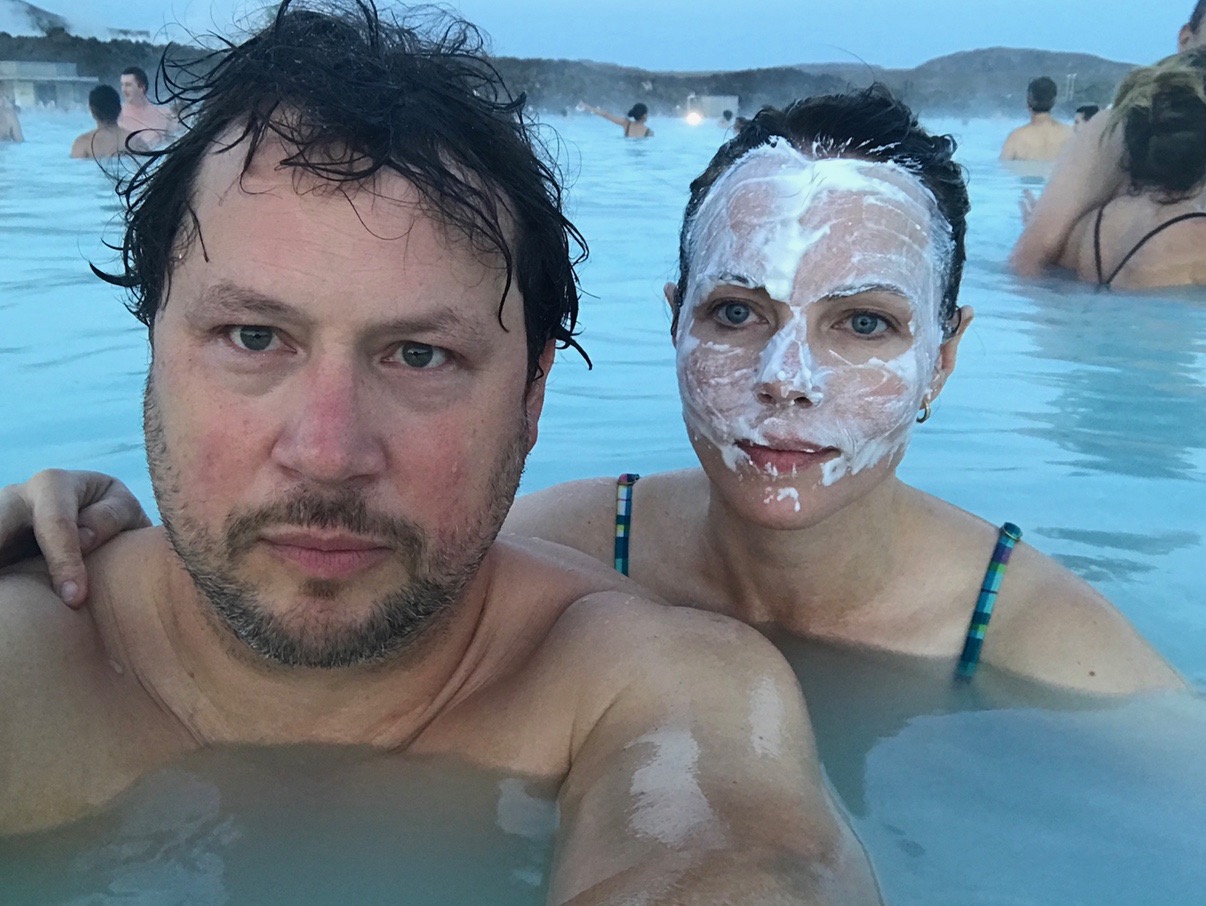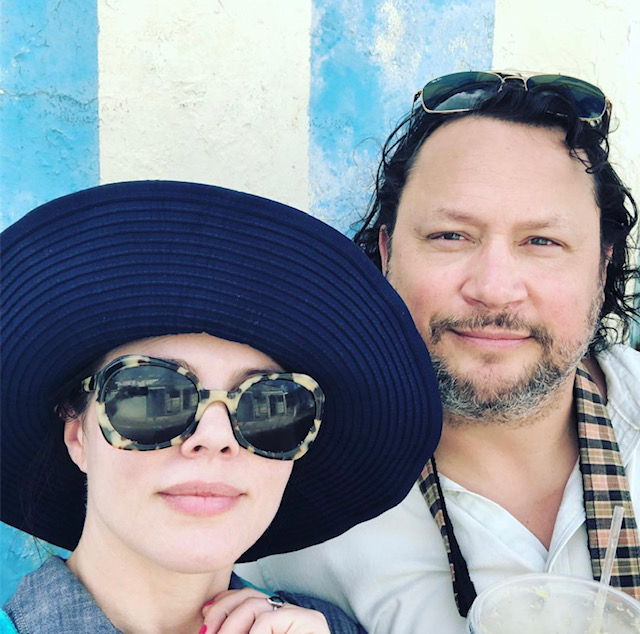
gary olson!

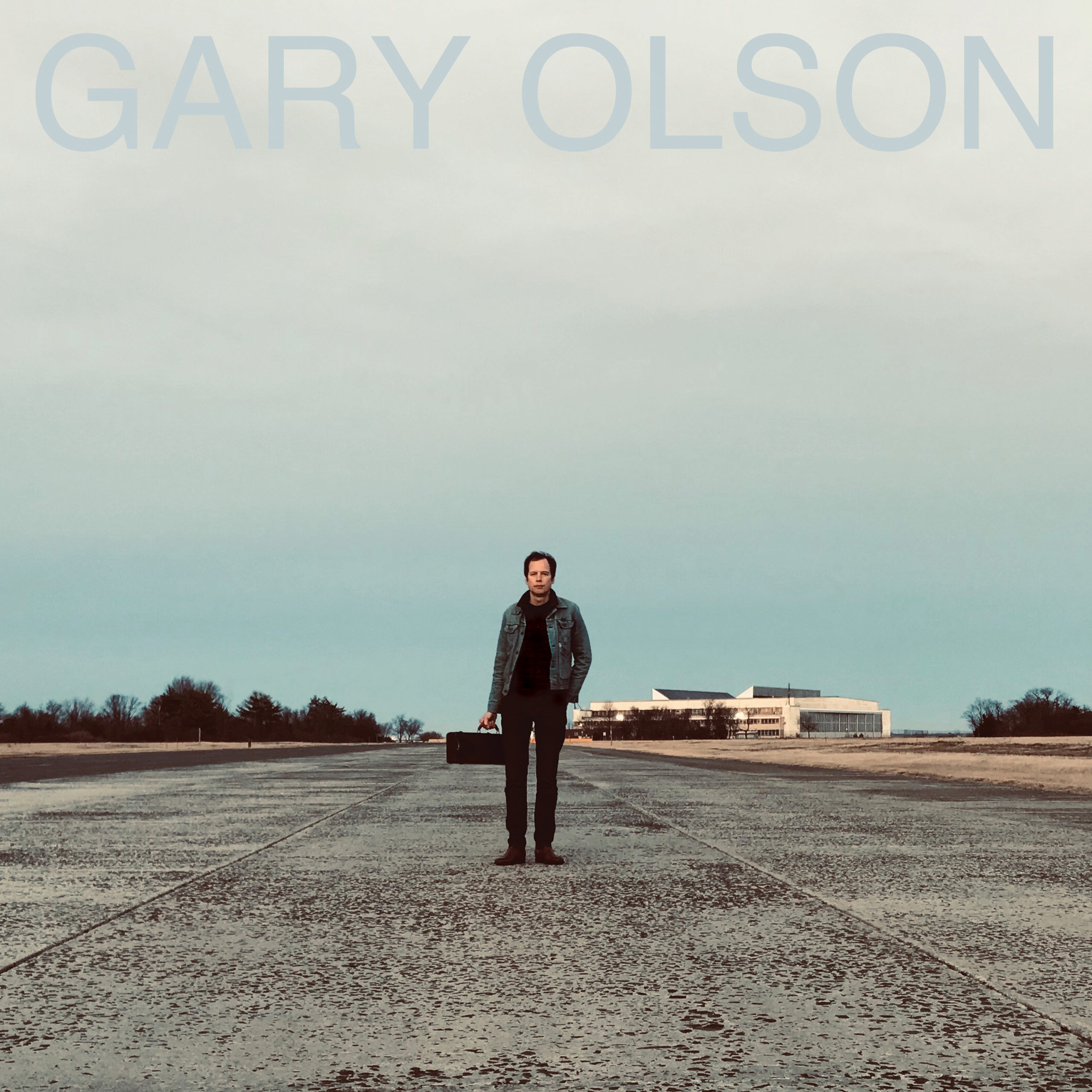
for the past 30 years, vocalist-songwriter-trumpeter gary olson has led the brooklyn-based pastoral-pop band the ladybug transistor through seven full-lengths, mostly all released via merge records. he’s also established himself as a go-to engineer, working from his home studio, named marlborough farms, on albums by hamish kilgour, jens lekman, and his very own self-titled solo debut LP, released via tapete records in may 2020. ¶ though billed as a “solo release,” olson was supported by norwegian artists ole and jorn åleskjær (of the band loch ness mouse), and the album was recorded in both brooklyn and hayland, norway. we asked the kind-hearted, soft-spoken singer-songwriter about the trans-atlantic recording experience and how it was to release an album during a pandemic. interview by janice headley
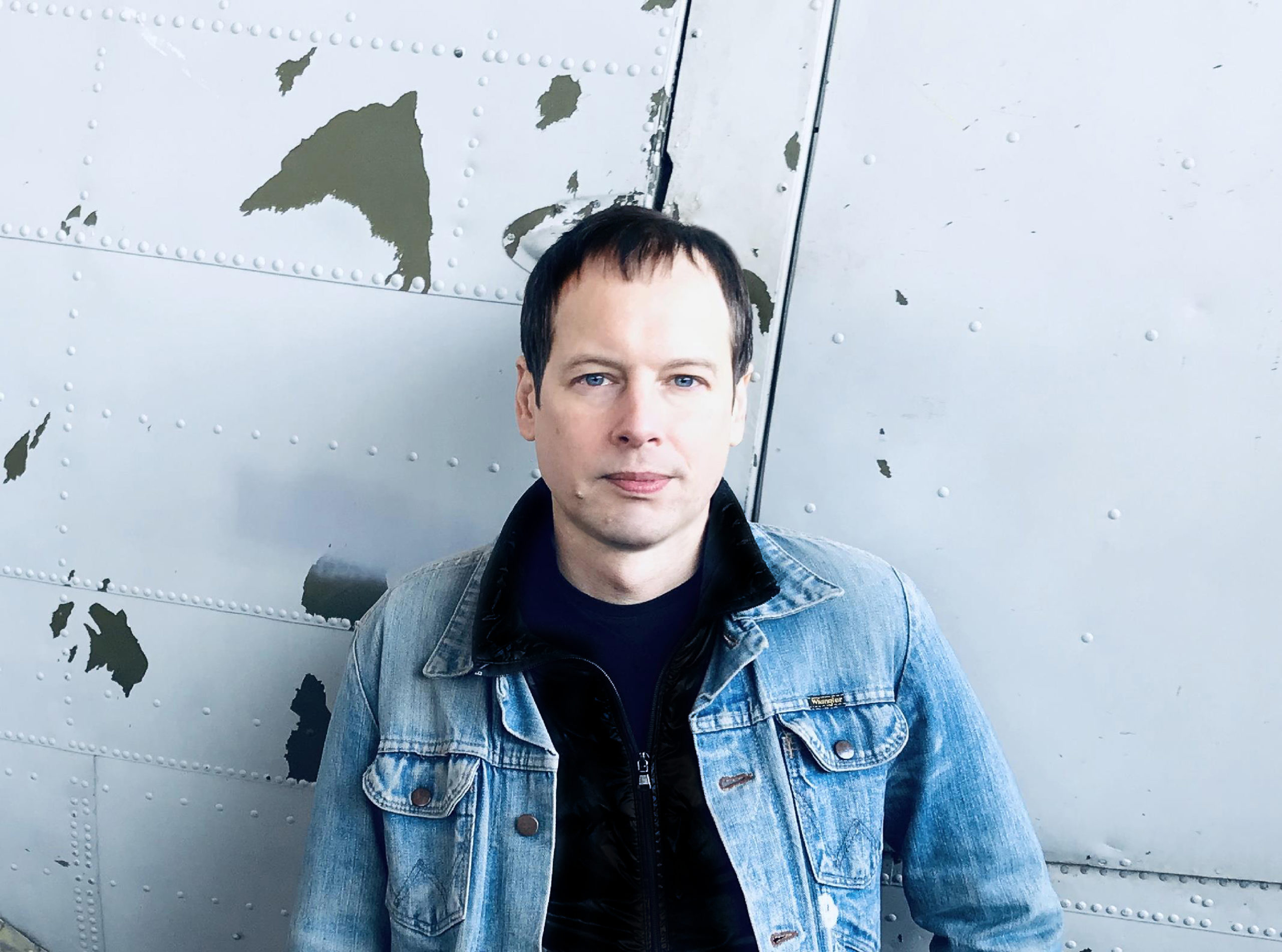
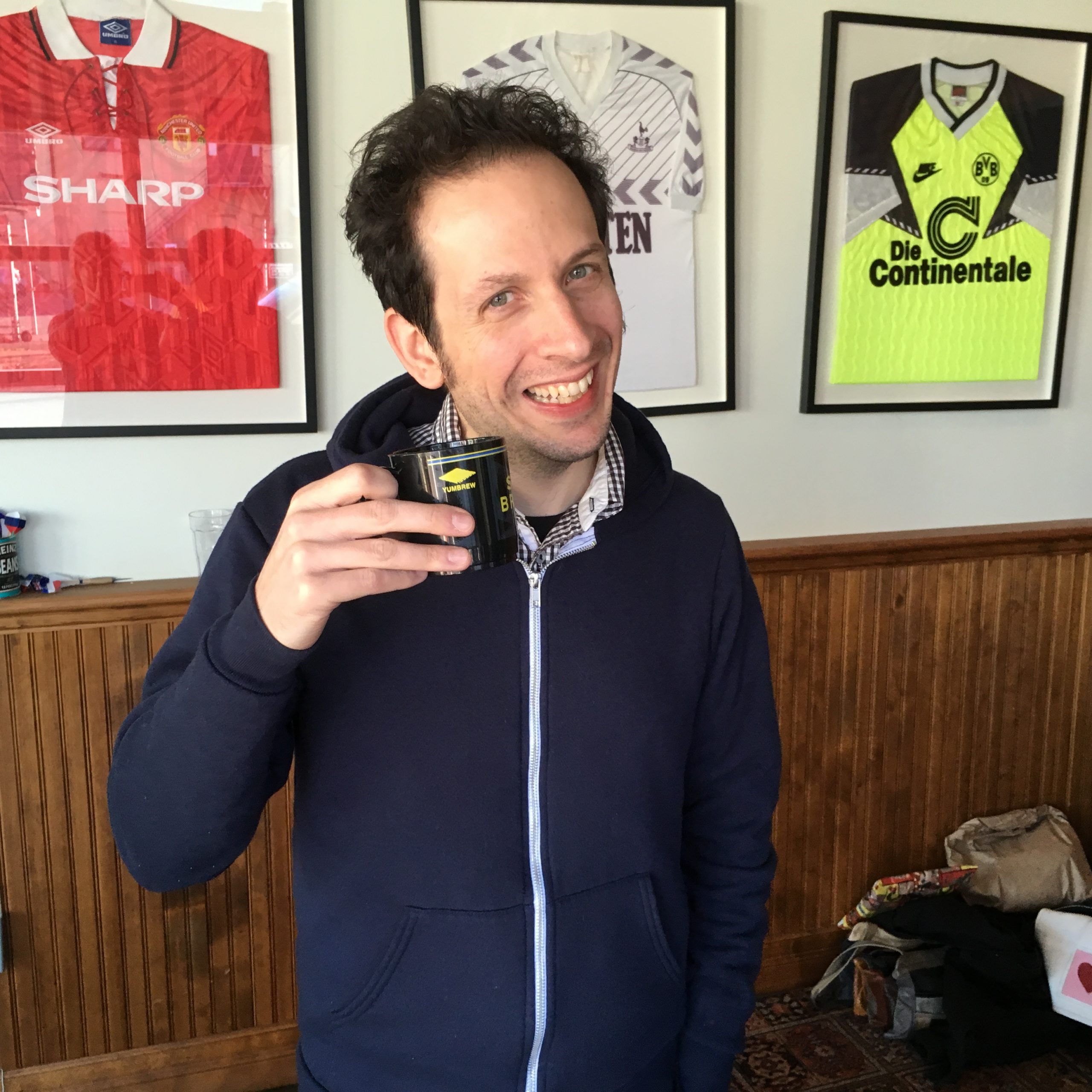
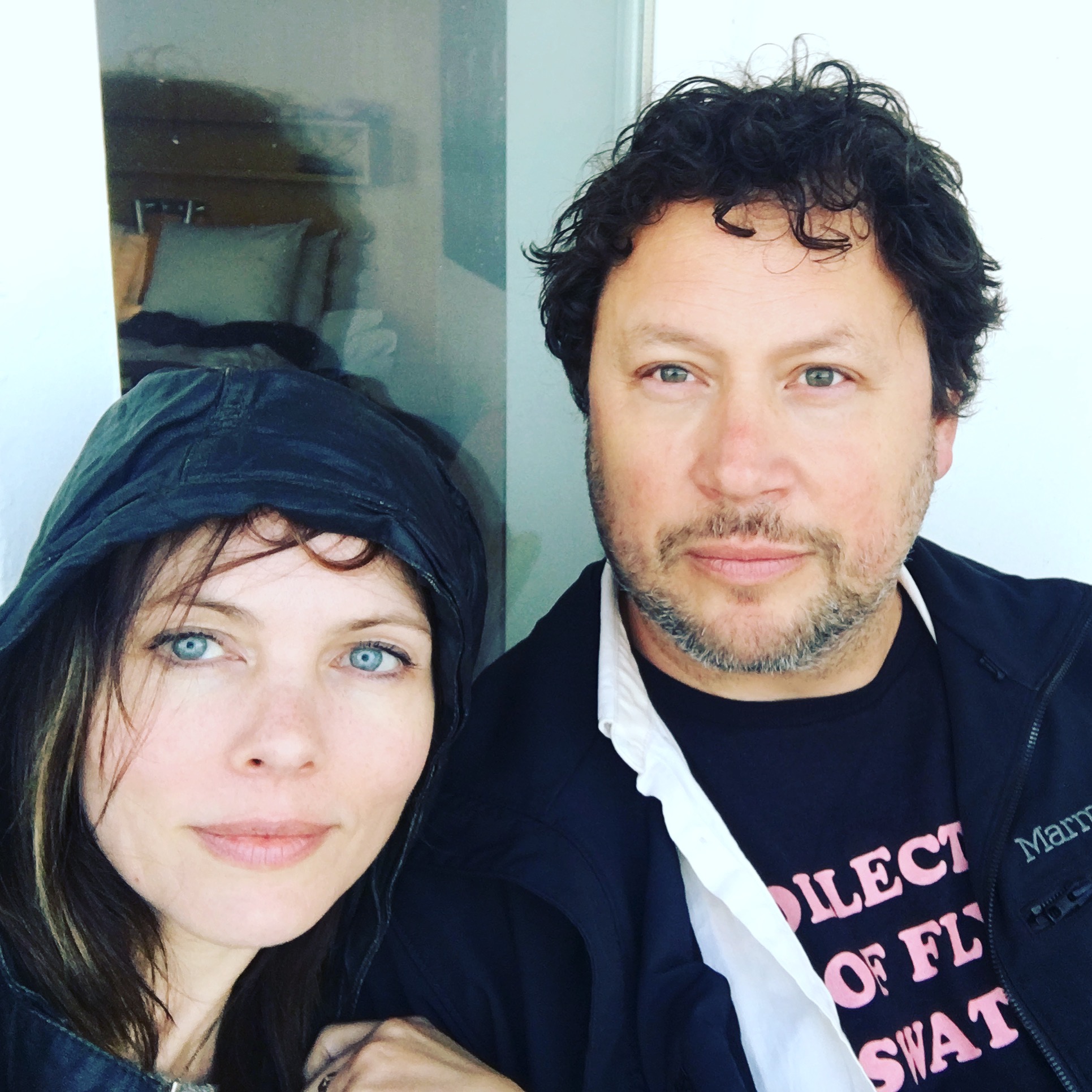
Gary Olson. Photo by Åke Strömer

chickfactor: what made you want to release a solo album after decades of being ladybug transistor? 
I had been thinking about it for a long time, even going back to 2005. and then whenever I’d gather a few songs together, it would just wind up being becoming whatever the next ladybug record was. ¶ I think some of it was just… a clean slate after all this time. also maybe some flexibility as to who I could play with. I haven’t even got to play many live shows, but when I get around to doing it, it could be a duo or a full band or … just not being kind of bound to the strict “band” structure, and just being able to be more flexible with things. 
cf: so the songs on this new album, how far did they date back or were they written fresh in that 2019 period?
we probably started in 2017 or 2018. I got a lot of encouragement from the guys who wound up co-writing all the songs on the whole album, where in 2017 or ’18, they just started sending me scraps of song ideas and we started trading ideas back and forth. and that’s what led to the 7-inch that came out before the record. 
cf: did you email files back and forth? or is there some website where you can collaborate?
I did go over to norway—both the brothers, ole and jorn, they’re old friends of mine from the first time [ladybug] visited, going back to like 1999. we had always talked about doing some projects together. ole, the guitarist, had accompanied me for a little solo tour in norway and sweden and spain, when I wasn’t doing stuff with ladybug. but somehow, we didn’t write that much together. ¶ so we finally got around to doing it, and it was good to get a little bit of a push from them. they’d send me a rough draft—sometimes just a riff of a song or something that’s a little more fully formed—and then I’d start working on it and send it back. then I actually wound up going over to norway to record with the musicians that they put together, probably like four or five times over the process of it. so I did make it over there quite a bit, to work on all the basic tracking and all the things that kind of help to do in person and some arranging. and then from there we were able to send files back and forth to get it done. 
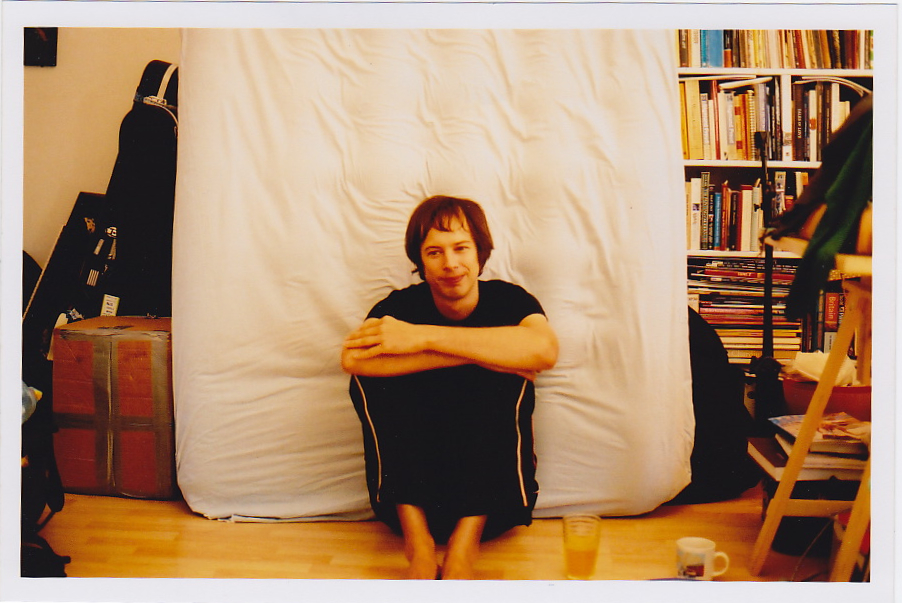
Gary at CFHQ in East London, 2004-5.

cf: how do brooklyn and hayland differ? 
well, in hayland, there’s no town. It’s maybe 90 minutes outside of oslo and it’s real farming, rural country. the closest supermarket is maybe 15 minutes away and there’s a little village that’s maybe half an hour away. 
cf: that sounds like where I’m living in michigan. 
ole and his brother, they’re real country boys. they grew up out there. ¶ the things that are similar, though, is we both have operated our little studios outside of our house, and in his case, out of the barn in his backyard. he manages to get a good sound out there and the barn looks awesome. They’re really easy. It’s a real family vibe when I’m out there. they’re always happy to have me stay for a week or however long it takes. so it’s almost become this nice tradition over the years of going out there and visiting them. when I was there a few summers ago, I stayed at a little cabin in their backyard and you could see the moose walking out of the forest at a certain hour, if you were lucky. 
cf: that must have been really strange for you when the pandemic hit and then you weren’t doing these trips to norway. 
yeah, I mean, thankfully, I was able to get over there a lot, and airfare to oslo is amazingly inexpensive. It’s as cheap as flying to california or to the west coast. we did have a lot of plans and we were going to try to tour as much as possible and take whatever opportunity came our way. so yeah, the timing couldn’t have been worse. the record came out in may 2020, and that was pretty much the peak of everything: of COVID, of social unrest, political unrest. it was a hard time to find the space for this little record.
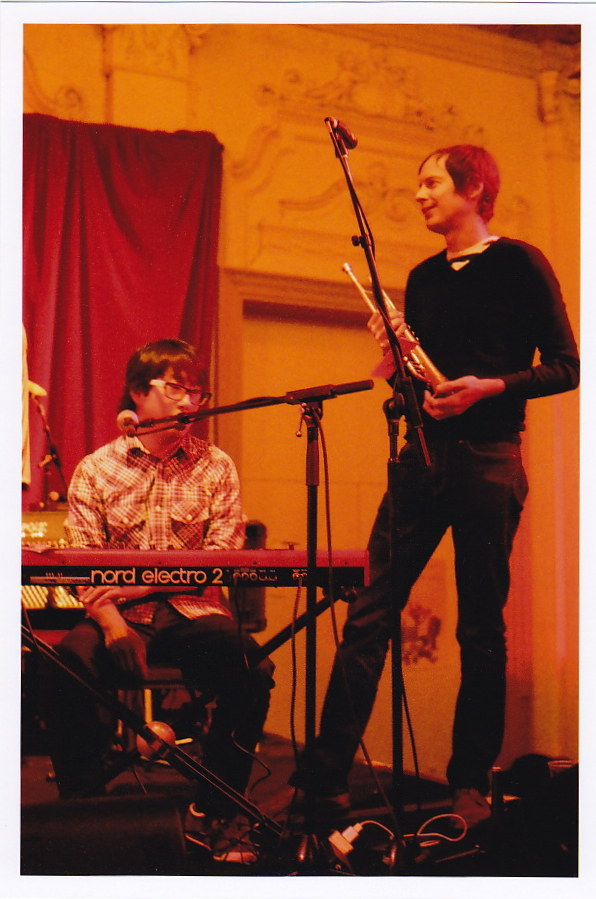
Gary playing with the Aislers Set at Chickfactor 20, Bush Hall London, 2012. Photo: Gail O’Hara

cf: a lot of bands delayed their release dates, but you held fast to 2020. why? 
my record label is in germany, and they were a bit more optimistic about things. the record was already manufactured, it was already going into distribution, and at that time, I think that no one thought we’d be in the same place nearly two years later. maybe it would just be a few months before everything got back to normal. so, it was a little bit of a gamble. I think the worst part of it is that many shops were closed for so long that it didn’t get into the stores at that crucial time. as far as browsing, I don’t think people really got to see it on the shelves very much. 
cf: now that restrictions are starting to lift, do you think you’ll eventually do a tour? 
yeah, I have plans that have been canceled twice already. [laughs] there’s a german tour that was supposed to happen in april that looks like it’s happening in november now, and then there’s some little festivals in norway that are coming in the summer, and I’ll probably do at least a few more shows around that. and I did do a show in new york last summer, in that little window right before delta hit. 
cf: gosh, that’s right. was it an outdoor venue?
no, that was indoors. it was a little hectic. no one really knows how to act when you’re in an indoor setting. to have a beer, you have to pull your mask down for a second. especially at that time when things were really coming back strong. it was hard to get the etiquette down, at a show. 
cf: totally. [ladybug bassist/violinist/vocalist] julia came and visited me when I was in new york for the yo la tengo hanukkah shows. and it was exactly like that: you’d pull your mask down to drink, and then, the music’s so loud, if you want to talk, you kind of have to get up in each other’s faces. yeah, it’s a strange time for a show. 
yeah, I’m hoping we turn the corner now because I’d really love to get out there and play again. I only did that one show in new york, so I’m just hoping there’ll be more sometime this spring or summer.  
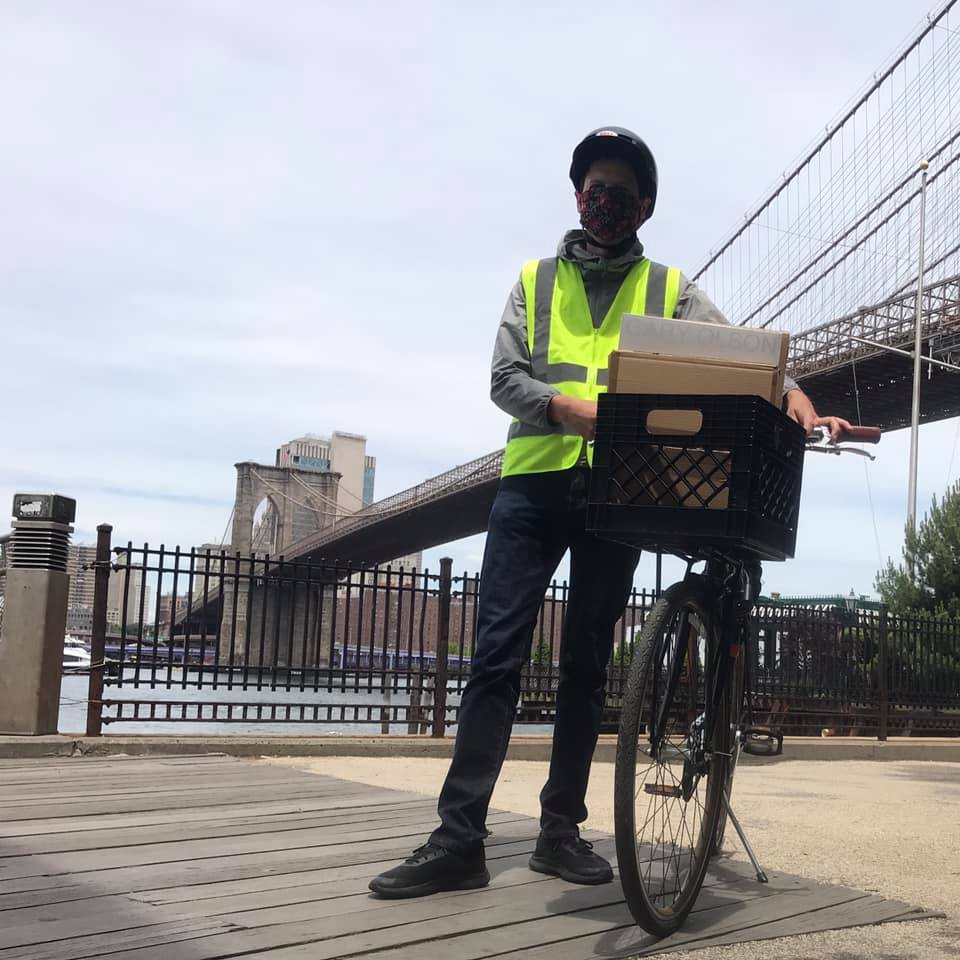
cf: that would be so awesome. so, you came up with this very clever idea during the pandemic to deliver album purchases in the new york area via your bike! can you tell us about this brainstorm and what those bike rides were like? 
well, I really wanted to get the record distributed in new york because all the stores were closed. so I had the label send me a big box of them, and then got the word out that I’d be willing to deliver anywhere within the five boroughs. I’m not normally much of a long-distance cyclist, but I thought it would be an interesting way to see … I lived in new york my whole life, but I saw so many new streets and parts of neighborhoods that I’d never seen before when I was getting all the way out to queens and into manhattan. and it was also really nice to see people, because at that time, a lot of people were just emerging from isolating for a couple of months. I met a lot of people who hadn’t seen their families and hadn’t really left their neighborhood even. after a couple of months of just more or less doing the same, it was that thaw of seeing people face-to-face and having a short conversation and checking in—sometimes a longer one, I’d sit outside and have a beer with people and it was really nice. I even made a couple of new friends along the way that I still hang out with. 
cf: oh my goodness, that couldn’t be sweeter. so the new album, it definitely sounds kind of ladybuggy, but it also has maybe more of like a ’70s pop thing going on. and I was wondering, what were your influences in the making of this album?
I’m trying to think if there is anything in particular. I’m always bad when I’m put on the spot about influences, but it’s OK. I think it’s more about trying to get a natural sounding production, which has always been something that I go for. so it might sound like the ’70s. maybe that’s where I’m wandering around [laughs].
cf: I can’t remember the title of it, but there was one song in particular that reminded me of that bee gees song “massachusetts.”
oh yeah, which ladybug covered, oh, a good 20-odd years ago. 
cf: it just kind of had that sort of hazy, melancholy kind of quality…
probably something with a lot of strings, I’d imagine, if it sounded like the bee gees. 
cf: I don’t know if you still do this, but what cassettes do you currently have in your kitchen? 
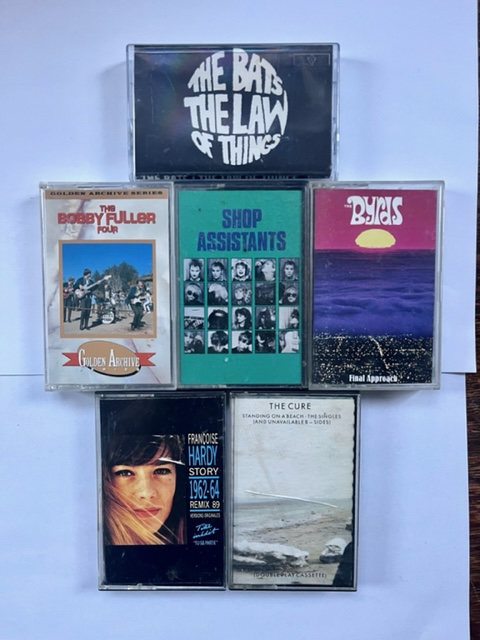
Let’s see. we had our kitchen painted, so there’s only a few dozen in there, but I do have a box that I stored here on this couch. let’s see what we’ve got: the bobby fuller four… 
cf: oh, I’m not familiar with them.
you know, “I fought the law”? 
cf: oh, yeah!
cf: do two more. 
the shop assistants… 
cf: yay! 
and oh yeah, gail might like this one: the cure’s standing on a beach and side two has all the b-sides and rarities from that time, so it’s a double play cassette. this one is actually what inspired me to do my own little cassette release. I did an edition of the album that’s 50 copies, and the b-side to the cassette is an instrumental version of the whole album, but I replaced the vocals with trumpet melody, so it’s almost like the easy listening version of the record, and that’s only available on the cassette itself. there’s no digital version of it, but maybe I should get around to putting something up.
cf: classic chickfactor question: what would be on your rider? 
our classic one was, we’d always ask for chocolate, especially for san [fadyl] when he was with us, our drummer, and we’d always ask for candy, especially when we were touring in europe, because we just wound up with a lot of local or random stuff or some easter candy. whatever local junk food they had was always interesting. 
cf: what was your first concert, as a youth? 
[pause] do I have to say? [laughs] It’s so embarrassing. I could remember my first five, and the contrast is pretty wild. my first one was rush at nassau coliseum on long island, and I think my second was u2 on the unforgettable fire tour at radio city music hall with the waterboys. yeah. and the third was either like depeche mode and the smiths, around that same time. 
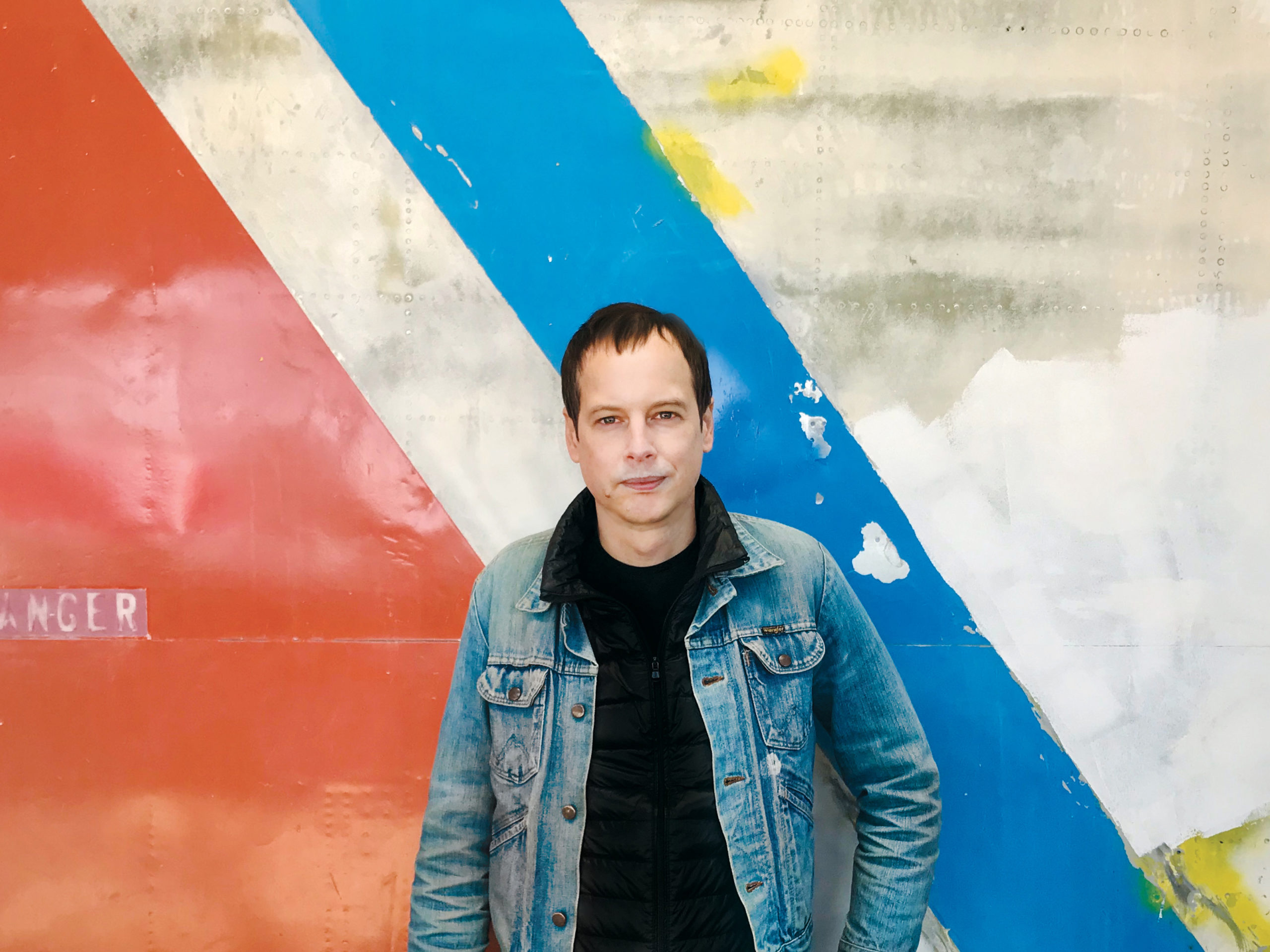
Gary Olson. Photo by Åke Strömer

cf: were they on the same bill? 
no, but they both played. I went to a lot of shows at the beacon theater and they were both at the beacon. we got really lucky with the smiths tickets because my friend brian and I were waiting on line to buy tickets. you used to be able to get the best seats if you went to the venue the day they went on sale, because they always held the first five or six rows and you could only get those in the box office…
cf: wait, when you say “on line,” you mean like a physical queue? 
yeah, yeah, yeah. these were paper tickets. this was 1985. [laughs] the whole culture of kids my age waiting in line for concert tickets, you know, it was a very social thing you could do. so, we went up to the beacon theater to wait on line to buy smiths tickets. and as we were getting closer and closer to the box office, there was this rumor making its way down the line that after the first show sold out, they’d start selling tickets for a second show. so we just hovered around the box office until they started selling tickets for the second show and we got second row center tickets. 
cf: oh my god, that is so fortuitous. oh my god, so jealous. [laughs] so, I read that you are a gardener. and I have to ask, like, have you started anything yet? or like, what are you going to plant this year? or, what’s your favorite thing to plant right now?
It’s still a little too cold out to do any prep outside, but I think sometime in march or april, we’ll start turning over the soil in the backyard. we grow a lot of tomatoes, and cucumbers do well over here, and like a big variety of peppers. we make the most of our yard in the back. normally, we’ll have at least a dozen tomato plants back there. 
cf: it must be really sunny? 
we do what we can. we had to prune a couple of trees to get a little more sunlight back there, but yeah, that does keep us busy. 
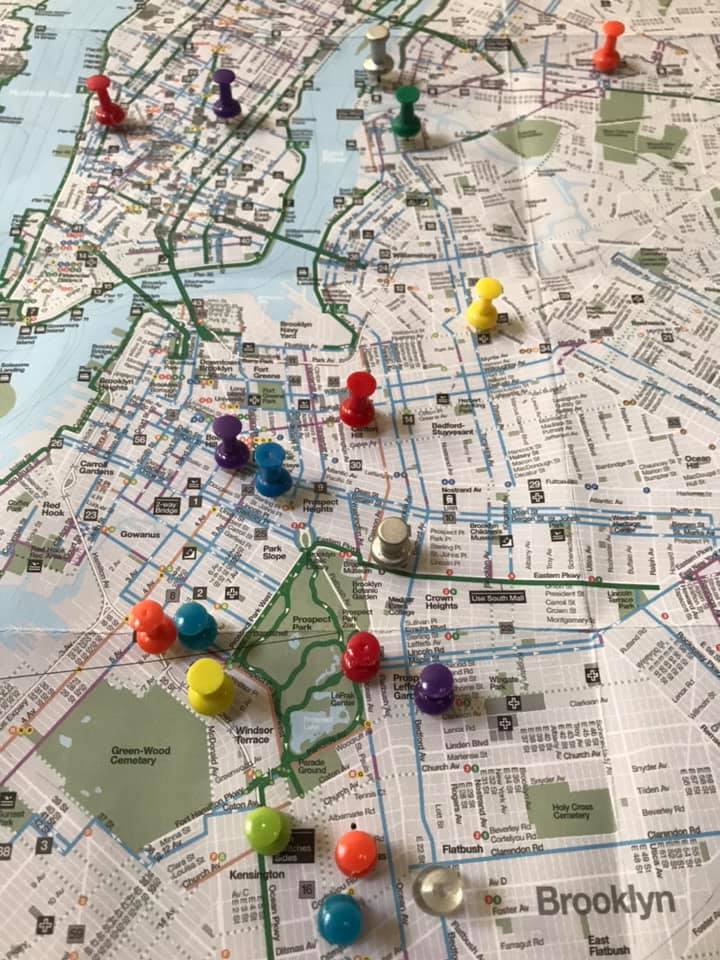
Gary Olson’s bike map

cf: my partner has a huge backyard. it’s like an acre big and he gardens, which is why when I read that you garden, I was like, “oh, I wonder what he grows?” 
do you have any pests that come and eat your stuff? any deer or…? 
cf: yes, but I’m not sure what it is [laughs]… we have deer here. we have wild turkeys and they’re huge and they run in, like, flocks. 
yeah, they’re exciting when you see them. i see them in pennsylvania sometimes. there’s a grape arbor on the side porch here at the house, and normally you don’t get many pests or animals bothering anything in the back, but they love the grapes, the raccoons and possums. so, in the mornings, in the summer, in the fall, they’ll just come and sneak in in the middle of the night and have a party and the whole porch is just covered with grape skins and like the remains of whatever they’re eating. 
cf: we have a black walnut tree, they kind of have like this tennis ball casing and then the actual nut is within it. and I think it’s raccoons, squirrels, or one of those guys, but they crack them open and they just leave all the shelling in the yard. we cleaned the yard at some point last year and had bags and bags of shells. 
wow.
cf: well, I only have one more question for you, and it’s another classic chickfactor question: gary olson, what do you have in your fridge right now? 
[pause] can I go look for you? taking a look really quickly. I just took a picture so I could look at it while I’m on the call with you and it’s like a crime scene. There’s way too much stuff, but let’s see. There are not too many things that are fresh because I’m about to go out of town for a week and I’ve been working for a while. but there are some blueberries, there’s miso, there’s kimchi. there’s a lot of cheese. I make kombucha, so there’s several bottles of kombucha. those are all the interesting things. There’s some beer, but sometimes I’ll have beer in the refrigerator for like two months. I just don’t go through it very quickly. CF 
the reds, pinks & purples (glenn donaldson) interview!

Photo courtesy of Glenn Donaldson

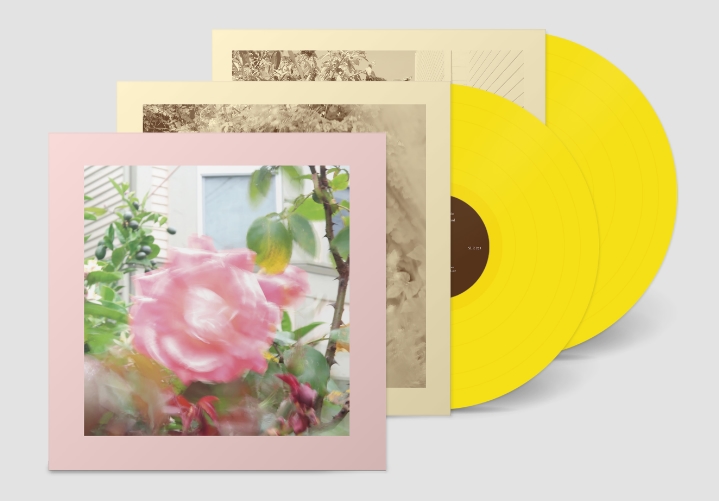
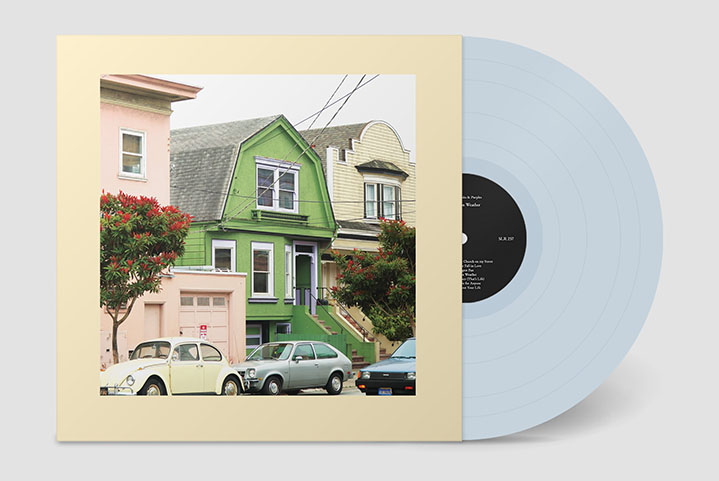
Our interview with San Francisco songwriter GLENN DONALDSON (currently of the reds, pinks & purples and vacant gardens, formerly of skygreen leopards and art museums, etc.) is long overdue, as he’s been making great jangly music for decades. Of course everyone is still listening to Uncommon Weather, and Summer at Land’s End comes out today/on Feb. 4 but the U.S. vinyl has been delayed thanks to satan, I mean Adele or something. Collector nerds: If you haven’t already preordered the vinyl LP, do it. There are two vinyl editions: a limited-edition double yellow vinyl record with a bonus album of instrumental songs not on the album, which is only available in the U.S. from Slumberland, and a green single vinyl LP version. UK people: the vinyl is actually out today (Feb. 4) on Tough Love. Interview by Kevin Alvir 

Summer at Land’s End

chickfactor: What is your life like these days in San Francisco? 
Glenn Donaldson: Pretty simple and hermit-like. I work from home, take walks around the neighborhood, record songs. I’m really into making vegan stews from scratch lately. It’s all about having a base of shiitake mushrooms and fermented bean paste. They are pretty good!
cf: This is very chickfactor: What were you like as a teenager?
An insecure dork, but maybe most people were like that. I was hung up on girls and moping around.
cf: also chickfactor: What is driving you mad?
Constantly entering passwords, which is 90% of remote work.
cf: What spurred you into making music?
Punk was alive in Fullerton when I was a youth, and that was the siren song. It felt like a place where a loser like me could be great. In my hometown we had Adolescents, Agent Orange, Social Distortion, etc. These are world-class bands, so it felt like anything was possible.

Photo nicked from the Reds, Pinks & Purples’ Bandcamp page

cf: Did you always see yourself doing music? If it were not music, what else do you think you’d be doing?
I wanted to be an artist of some kind, maybe a poet or a painter or a musician. I wanted to wear striped sweaters and drink espresso in dimly lit cafes.
cf: Do you do anything else outside of music? Gardening, visual arts, etc…
I’m a crude artist as well, mostly collage, some painting and bad stoner drawings…and now photographing my neighborhood I suppose? I have a book of collage art coming out this year on a micro-press.
cf: Your work has a cinematic feel to it. I get a sense you are inspired by movies and books. Are you? Can you elaborate on that? 
That’s a nice compliment, thanks. My favorite writer is Denton Welch. He had a way of taking everyday events like a walk through a garden and making it epic. Movies sure… but I feel like I’m more directly influenced by comedy, the idea of really opening yourself up as a performer and dealing with raw and personal stuff.
cf: Anything that you are watching on tv or (shall I say) streaming?
I like that new HBO series Somebody Somewhere. It probably won’t find a huge audience, but I think it’s beautiful. An old favorite is Detectorists. I love small stories.

Photo nicked from the Reds, Pinks & Purples’ Bandcamp page

cf: A great question for our auteurs: Do you prefer to play live or record?
Definitely recording. There’s nothing more satisfying that putting the final touch on a song, painting on some bits of feedback or melody lines. I struggle with even wanting to play live, but it is rewarding and helps you move onto the next bit of inspiration.
cf: Can you tell us what your first song that you wrote was like?
It was definitely a rip-off of a Dischord-type hardcore song. I didn’t play any instruments until much later, so this would be just me imagining hardcore riffs and writing really bad lyrics about “Justice” or something I knew nothing about.
cf: Is there a source of inspiration or influence that people who follow your music may find surprising?
I love Lana Del Rey. She’s my favorite contemporary songwriter. The more cringey she gets, the more I eat it up. “Arcadia” is the best song out right now. I’m a student of classic songwriting, so my list of favorites would be very long (see below), but I’ll mention Leonard Cohen, Kirsty MacColl and Peter Tosh off the top of my head.
cf: Can you describe your worst live music experience? As a performer / audience member.
Someone threw a lit cigarette at me at a festival in Belgium and almost set my shirt on fire. For some reason they stuck my band Skygreen Leopards, an acoustic band, on before BORIS, and the Belgian doom metal fans were enraged. It was totally stupid and insane but very memorable!

Uncommon Weather

cf: I’ve asked you this over social media, but what does Astral Projection feel like? Reds, Pinks & Purples have a song called “I’d Rather Astral Project.” Hence, my audacity to ask this… I think I may have experienced this—I do a ton of meditation… but I would love to hear what other people have to say about it.
Oh, interesting left turn! That song is a bit tongue-in-cheek about having social anxiety basically, but I do wonder about the power of the mind sometimes, powerful stuff, especially if you get into visualization and meditation. I have taken LSD a few times, and you can definitely arrive without traveling. 
cf: How do you feel the past two years have changed you? (y’know – the pandemic)
I am more comfortably and colorfully dressed with many clashing patterns. Also, I am into colorful sneakers all of sudden after never wearing them at all. I am suddenly more successful as a musician than I have ever been, and yet I barely leave my neighborhood. 
cf: When things get back to workable normal, what do you want to do with yourself / yr music?
I want to tour and play some enormous festivals, really sell out and make big gestures like Bono. Set my shirt on fire with cigarettes and lose my mind permanently while onstage, then crash hard coming back to reality, realizing that it’s all pointless. CF
Records Glenn Cannot Live Without
Unrest, Imperial f.f.r.r.
Long Fin Killie, Houdini
The Magnetic Fields, The House of Tomorrow
Tracey Thorn, A Distant Shore
Cocteau Twins, Blue Bell Knoll
Bad Brains, I Against I
Colin Newman, A to Z
Codeine, Barely Real
The Smiths, Meat is Murder
Reptile House, Listen to the Powersoul
East River Pipe, Shining Hours in a Can
Jones Very, Words & Days
The Jam, Sound Affects
Augustus Pablo, East of the River Nile
Galaxie 500, Today
Die Kreuzen, Century Days
American Music Club, Engine
Hüsker Dü, Warehouse: Songs & Stories
Go-Betweens, Liberty Belle & the Black Diamond Express
Eyeless in Gaza, Caught in Flux

brand-new interview with massage!

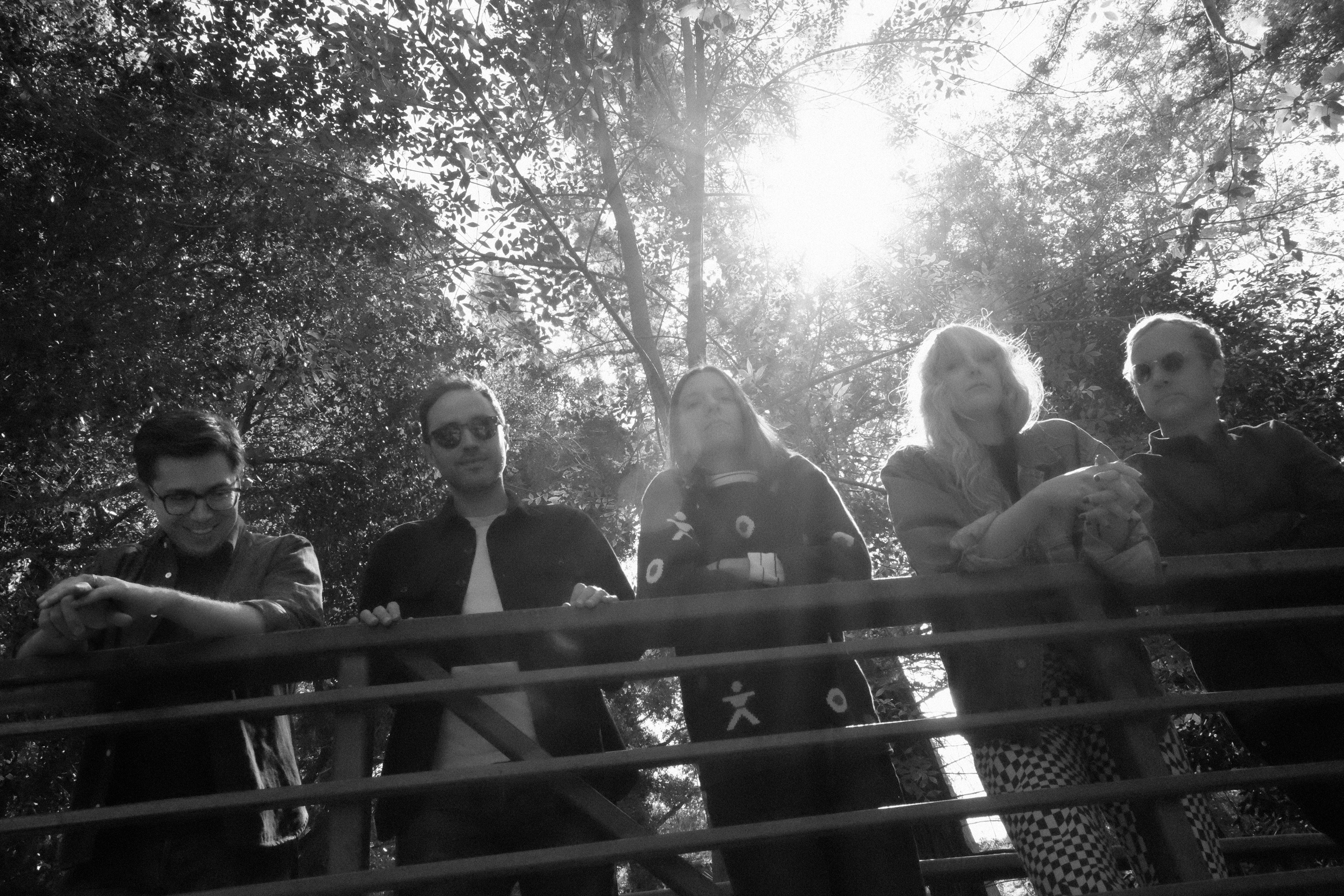
Photo courtesy of Massage

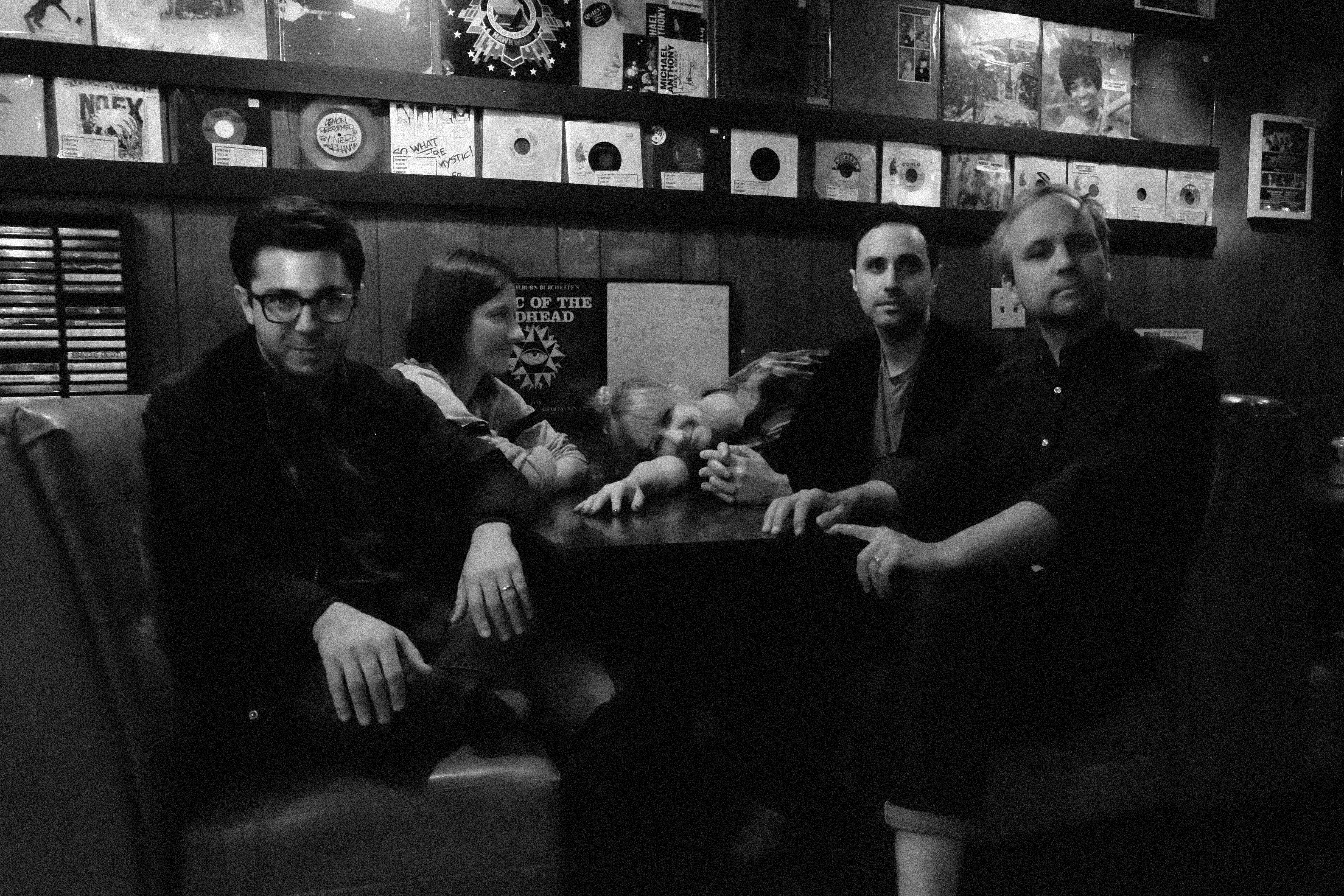
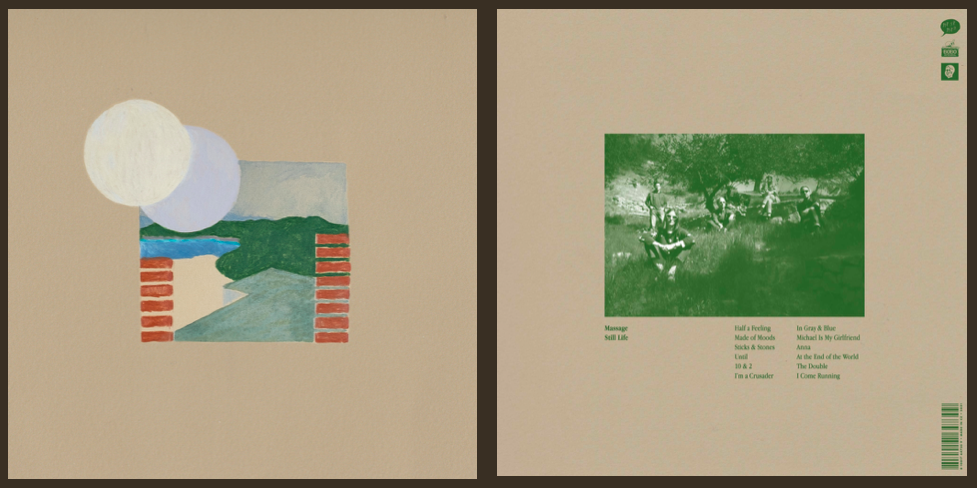
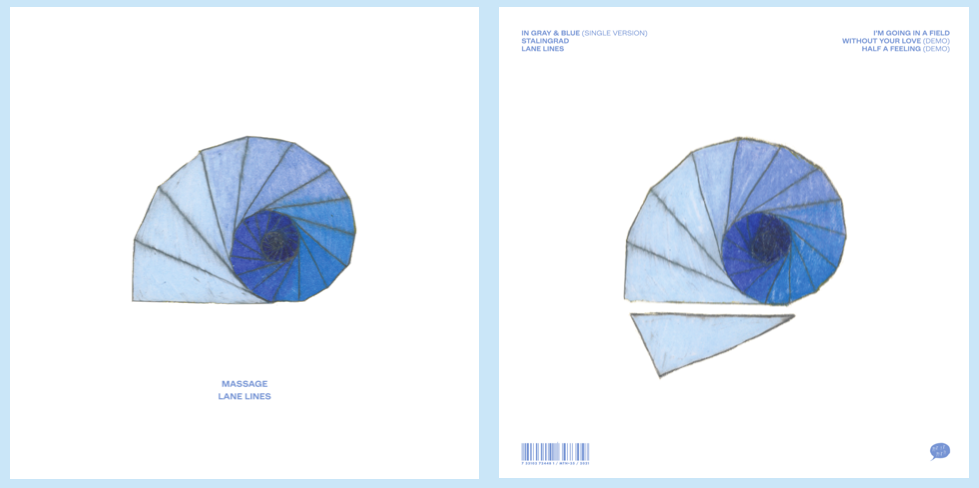
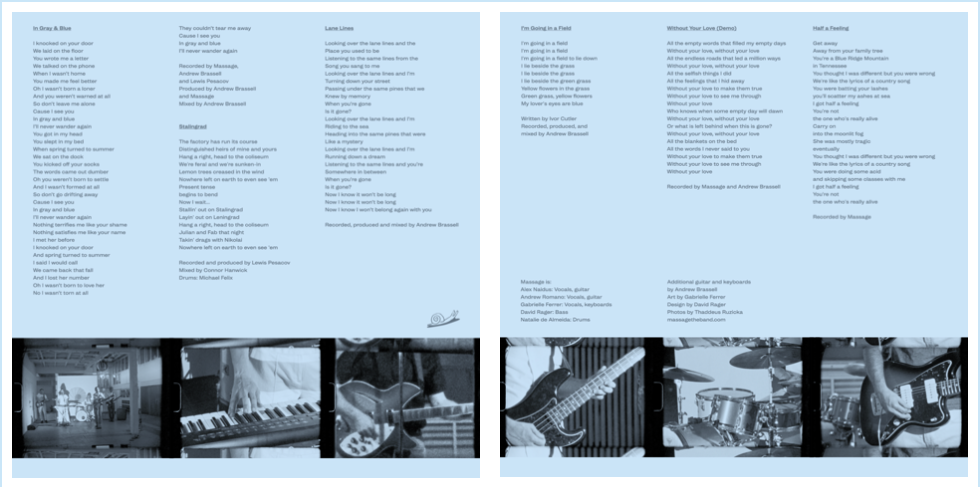
New Jersey natives Andrew Romano and Alex Naidus met in New York, but they became especially close friends after relocating to LA just six months apart in 2013. A few years later they found themselves playing together—almost accidentally—in Massage. This was an unexpected second act for Alex, who had previously played bass in the Pains of Being Pure at Heart. ¶ Much more low-key by design, Massage started with a single demo that Alex had penned but never shared in his Pains days. Soon there were more members—including bassist David Rager, original drummer Michael Felix and subsequent drummer Natalie de Almeida—and a strikingly melodic debut album in 2018’s Oh Boy. Quietly staking their claim as among the most ardent students of jangle pop in LA’s deeply fragmented music scene, Massage followed up that record with 2021’s Still Life, a dramatic leap ahead in songwriting chops and collective confidence. Showcasing the voices and songs of Andrew and Alex as well as those of keyboardist Gabi Ferrer, the album earned release through labels in Australia and Spain, beyond the band’s US home on Mt. St. Mtn. in Sacramento. ¶ The songs on Still Life feel instantly classic, hitting all the right touchstones while remaining very much their own creations. Following the opening one-two hit of “Half a Feeling” and “Made of Moods,” there’s the lasting sensation that we’re experiencing something special and well worth cherishing. Sung by Gabi with music written by Romano, “10 & 2” is another highlight, as is the Gabi-helmed “The Double.” The more recent Lane Lines EP has followed through on the second album’s dazzling promise, foregrounding a new studio version of the album track “In Gray & Blue” and showing subtle new sides of the band. ¶ We chatted with Andrew and Alex (both journalists), the cofounding songwriters of Massage in early 2022 about starting the band, fine-tuning their round-robin songwriting and the West Coast indie scene. intro and interview by Doug Wallen

Photo courtesy of Massage

chickfactor: Alex, can you talk about following up Pains with Massage?
Alex: It was one of those life things where everything happens at once: I left the band, I was in a long relationship that ended, and I started a job at Buzzfeed. I started in New York, but there was a job opening in LA. “Leaving music behind” sounds so dramatic, but I needed to start my new life. I was kinda heartbroken and coming to a city I didn’t know that well. I didn’t have any plans to join a new band, and I purposefully didn’t do that for a while. ¶ The impetus to start again was Michael [Felix], the first drummer in Massage. He played on the first album and half of Still Life. He wanted to start playing drums again and said, “What if we just jam?” I told him I wasn’t really a jammer, and I just had a bass. But there was a rehearsal space where you could rent a guitar by the hour. ¶ It was purely just a way to hang out. I only knew how to play a few songs on guitar, [including] a song I wrote while I was in Pains. It was just a demo I made at home for fun. So we played that and it was a good time. I mentioned it to Andrew at a party and he said, “I want to do that.” And unbeknownst to me, Michael had the same thing happen with his friend David [Rager], who’s [now] the bassist for Massage. We rented the same rehearsal space and there were two guitars, bass, drums and my one song from five years ago. And it was like, “This is fun. We could keep doing this.”
Andrew: We both had the experience of writing songs for high school bands when we were younger. I didn’t think I would ever have a band that was a creative outlet again, but then we stumbled onto this thing. It was just friends doing music, with no great ambition beyond that.
CF: It sounds so accidental. Did you share a lot of touchstones right away, or how much did it sound like Massage early on?
Andrew: Well, that first song, “Kevin’s Coming Over,” is on the first album.
CF: So that was sort of the blueprint.
Andrew: Yeah. Alex and I were friends in New York but not really close, and then we became really good friends out here. There was a mutual friend of ours named Kevin who was doing night school. [The song] was just ramshackle, really rough indiepop. I think it’s about Kevin, but also an attempt to do that kind of thing. ¶ We like the same bands. I think the first phase of Massage was us writing towards the sound we wanted. The first record is kind of halfway there, and Still Life feels like we’ve gotten to that point, where the songs we write are really the kind of songs we like to listen to. But we do feel like we’re learning this as we go.
CF: Again, it seems very organic. I loved the first record but it didn’t get a lot of attention, but Still Life has had a higher profile and is on a few different labels…
Alex: I hope so. If it just finds its audience however it does, that’s cool. It blew my mind that a couple people not only didn’t know I used to be in Pains, but didn’t even know who Pains is. That’s rare, in fairness, but it’s neat. It’s just interesting how it flows.
CF: So neither of you had properly sang lead before. Did you have to build yourselves up to that?
Alex: There are definitely times where I have the singer syndrome that I feel like a lot of people have, especially people who make music like this. There’s an impulse to bury the vocals. But that’s what I sound like, and I’ll just do the best I can. The songs come first: to me the vocals are serving the songs.
Andrew: I’ve been on a bit of a New Order kick, and in New Order, when Ian Curtis died, they didn’t know which one of them was going to sing in this new band. It ended up being Bernard Sumner. He’s not a [natural] singer by any stretch of the imagination, but I wouldn’t want anyone else singing in that band. There’s something so perfect about the precision in a lot of their music and then the fragility and vulnerability of his voice. It makes that band work. So having a little imperfection can make it more appealing. 
CF: And the keyboardist, Gabrielle, sings and writes songs as well.
Andrew: Gabi is my sister-in-law. It felt like this big gap [of time] before she joined, but it was only a few weeks after we started.

CF: I love how the new record flows between the three of you. Is it tricky to accommodate three singers and songwriters in one band?
Alex: Not at all. It just lays where it lays. Andrew and I have this thing too, where we write a lot of songs and share demos to inspire each other. So we end up with the same amount of songs, and Gabi will have hers too. There’s a symmetry that just happens naturally. Sometimes I think about that band Sloan, who have three main songwriters.
Andrew: Teenage Fanclub too.
Alex: Right. I always wondered how they do that, [but] it just comes out of us and we look at the [collective] pile. So far it’s been easier than you’d think.
Andrew: The Go-Betweens are a total model in that regard too. They worked together really well to [showcase] the best songs. I’ve done a couple songs now where I’ve written the music and the melody and then handed it over to Gabi to sing and write the lyrics. The first one was “Crying Out Loud” on the first record, and then “10 and 2” on this record. It’s amazing to see her come back with lyrics that are a million times more eloquent than anything I could have come up with—and suit her voice so well. ¶ And Gabi is a fantastic harmony singer, both in finding the right harmony and having this unusual tone and tenor to her voice that just melds really well. So the amount of harmonies in the band is a direct result of that.
Alex: She [also] does all the visual art for everything we’ve done, and she does music videos and animation.

CF: What does it feel like to be an indie pop band in LA, especially when San Francisco indie pop is having such a moment right now? Have you found your niche?
Andrew: So you’ve noticed we’re not from San Francisco? (Laughter) We get lumped in and people say we’re from there. Because the name for the San Francisco scene now is “fog pop,” we were joking that we’re “smog pop.” We’ve got two smog pop bands in LA; we need a third one so you can write the trend piece. ¶ We love everything that’s going on in San Francisco, including bands we’ve played with a bunch of times—Cindy, Flowertown, Telephone Numbers, April Magazine—to the point where we’re envious about what they’ve got going on there. It seems like a really kind and friendly scene. We don’t have that in LA. One band we love and have played a few shows with is Semi Trucks, which used to be Venetian Blinds. They have a record [Vs. California] that just came out on Meritorio in Spain. ¶ Other than that, it’s been pretty [sparse]. But the past two years have been pretty weird [due to the pandemic]. We haven’t played a lot of shows, so there’s been a pause of any scene formation. But I’m not aware of many bands here doing the kind of thing we do.
Alex: It has felt ephemeral too, because the last show we played pre-pandemic was with the band Semi Trucks used to be, Venetian Blinds. But also this band Smokescreens, who are on Slumberland and had David Kilgour record their album. But I think that band isn’t a band anymore. Our friend David Stern, who plays as D.A. Stern, also has a record on Slumberland. ¶ This is so much of an enthusiastic friend exercise for us that our version of a scene is when we have band practice every week and go out for beers after. We’ll all go to shows together too, so we can kind of carry our own scene around in a little backpack with us. We are our own scene, and that’s satisfying enough for me.
Andrew: It’d be nice to foster that a bit more. Le Pain is another cool band who just formed here. The bass player used to be in Dummy, and they’ve put out a few singles. But LA’s a weird place: whatever the music scene is here, I don’t know what it is. It’s so vast, and then you get close to the Hollywood side and it’s got nothing to do with our lives. There’s a place on our side of town that we play at a lot called Permanent Records Roadhouse, and it’s nice to have a home base. ¶ And you can knock the internet all you want, but there’s a scene that can form virtually. There are all these bands we’ve discovered through Bobo Integral in Spain or Mt. St. Mtn., our label up north [in Sacramento]. And there’s a label in London called Prefect: they put out The Tubs, Mt. Misery and a French band called Eggs. You start finding these little pockets of like-minded bands throughout the world and exchange messages. In these pandemic times, that’s been a nice substitute for not having a tight-knit scene here in LA. 

CF: I love how you guys don’t hide your influences from song to song, whether it’s The La’s or the Jesus and Mary Chain. But do you have moments where you worry that something sounds too much like its inspiration?
Alex: Only occasionally. It’s literally just the Jesus and Mary Chain [thing], especially coming from Pains. When I wrote “Half a Feeling,” it just came out completely done. It felt really good to do, but I thought it was probably too on the nose. I sent it around and Andrew was like, “This rules. We’ve got to use this.” I’ve dragged my feet to this day about that song: there’s a lot I love about it, but I knew [JAMC] would be the one [big] signifier. ¶ But it goes back to what I said earlier about the song being paramount. It’s helpful to have these references we all share. Just little things that can help shape it into what our ears want to hear. But the songs are still distinctly us. 
Andrew: We’re not skilled enough to do the karaoke version. We might like how something works, but we can only ever do it in our own way. It ends up coming out sounding like us. Our limitations make it our own.
Alex: This is a half-baked metaphor, but if you have a state-of-the-art scanner, you put something in and it comes out perfectly. You’ve made a copy: it looks good, but you have the same thing as you had before. But if you think of a punk show flyer, it’s been xeroxed a hundred times and you’ve cut something extra out and taped it there. It’s like faded and black-and-white. That’s our version: the source material may be there, but we’re just doing our best to paste it together with the tools we have.
Andrew: I think we both really are students of how songs work. We’re constantly passing around songs we hear, trying to figure out what’s working and what’s not working. In that sense, we’re always listening to music and trying to unlock its mysteries. ¶ An example would be “In Grey and Blue,” a song there’s two versions of: one done at home for Still Life and one where we got to go do the single version with studio tools. And that came from listening to the Technique album by New Order and asking, “How do these bass lines work? What are they doing with acoustic guitars on these tracks that are otherwise really electronic-sounding? How do those tensions create this sound?” There’s not this great range in the melodies, but there’s something that Sumner does with the range of his syllables that makes it really catchy and memorable. ¶ We went a little overboard with trying to get the sound and the vibe to evoke that, but I don’t think it actually sounds like a New Order song. It just touches on some of the same mechanics. And we’re always thinking about it on that molecular level. That’s what’s interesting to me about writing music. CF
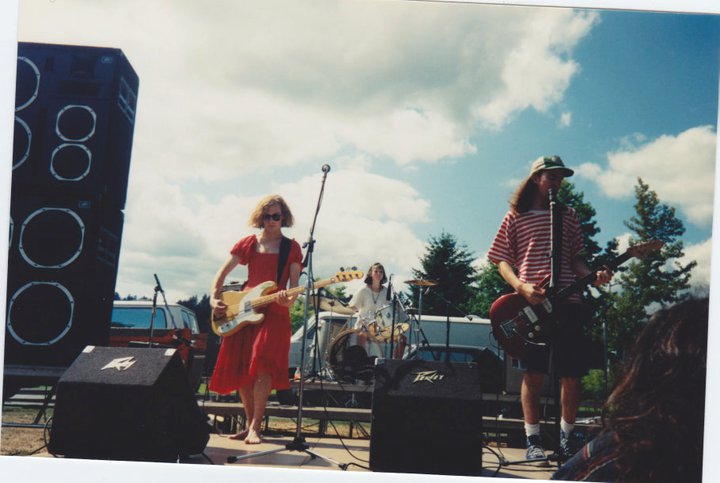
Photo courtesy of Massage

JEANINES!

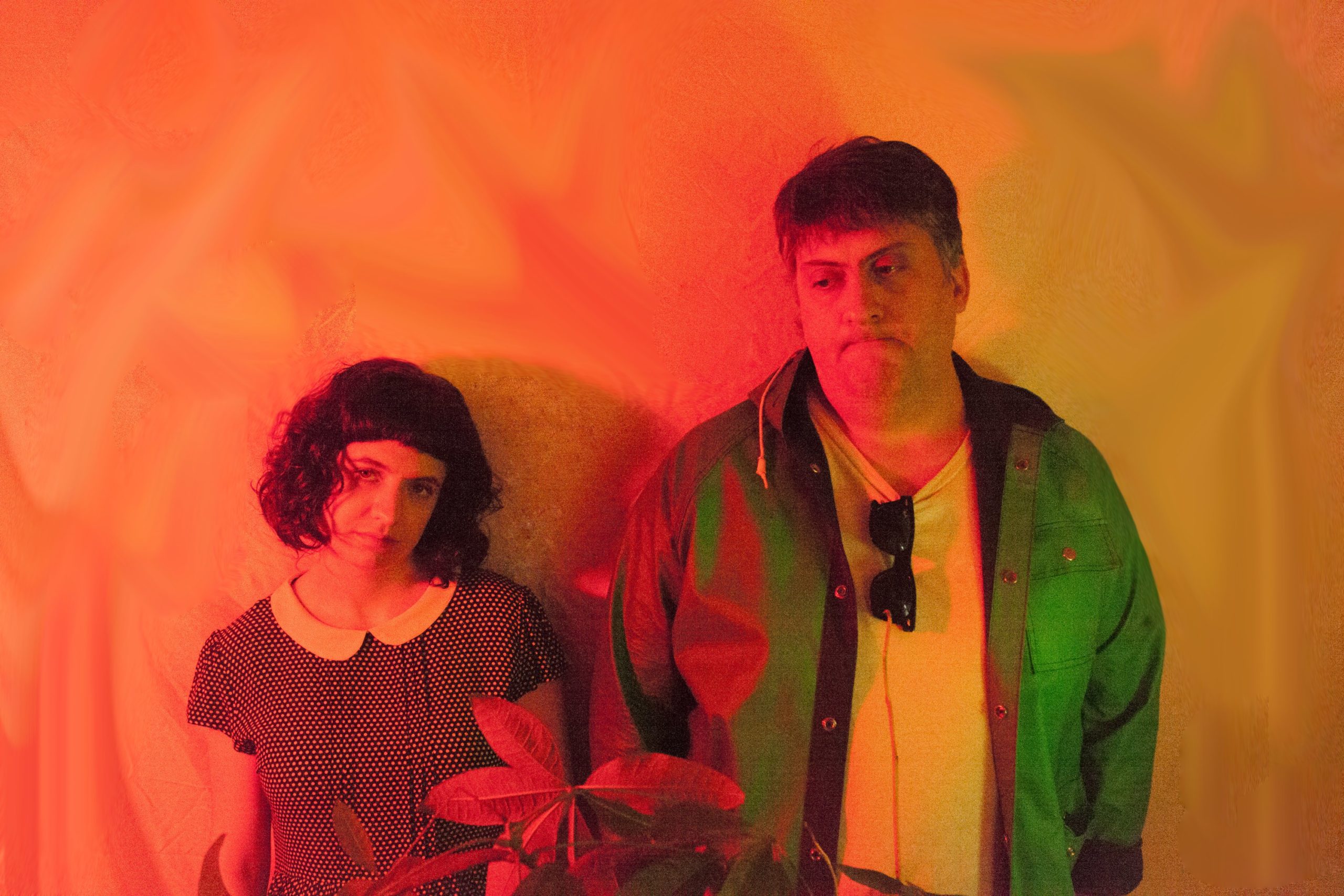
Alicia and Jed from Jeanines!

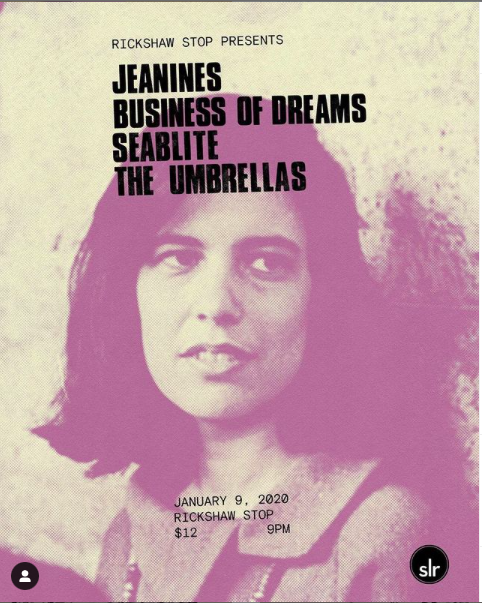
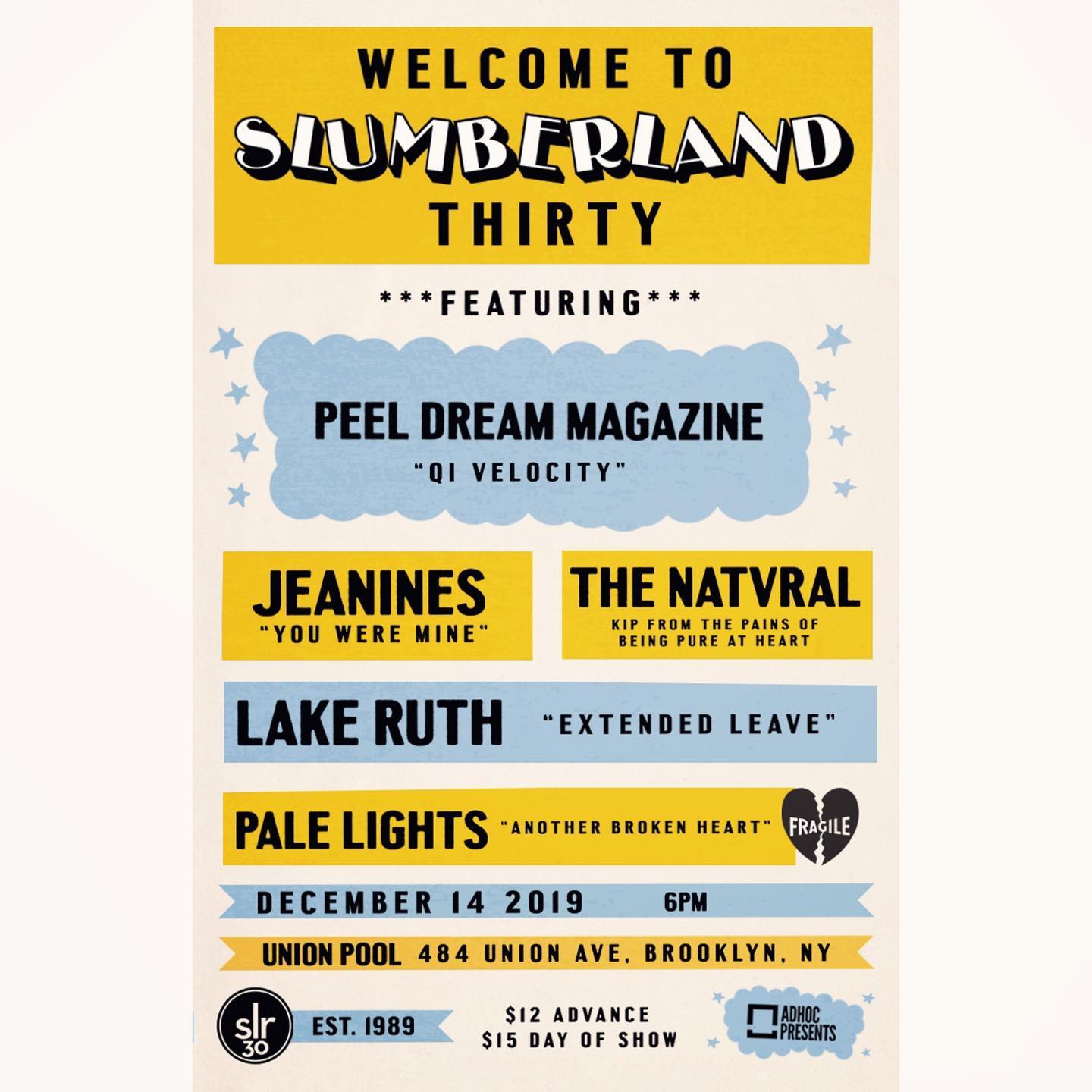
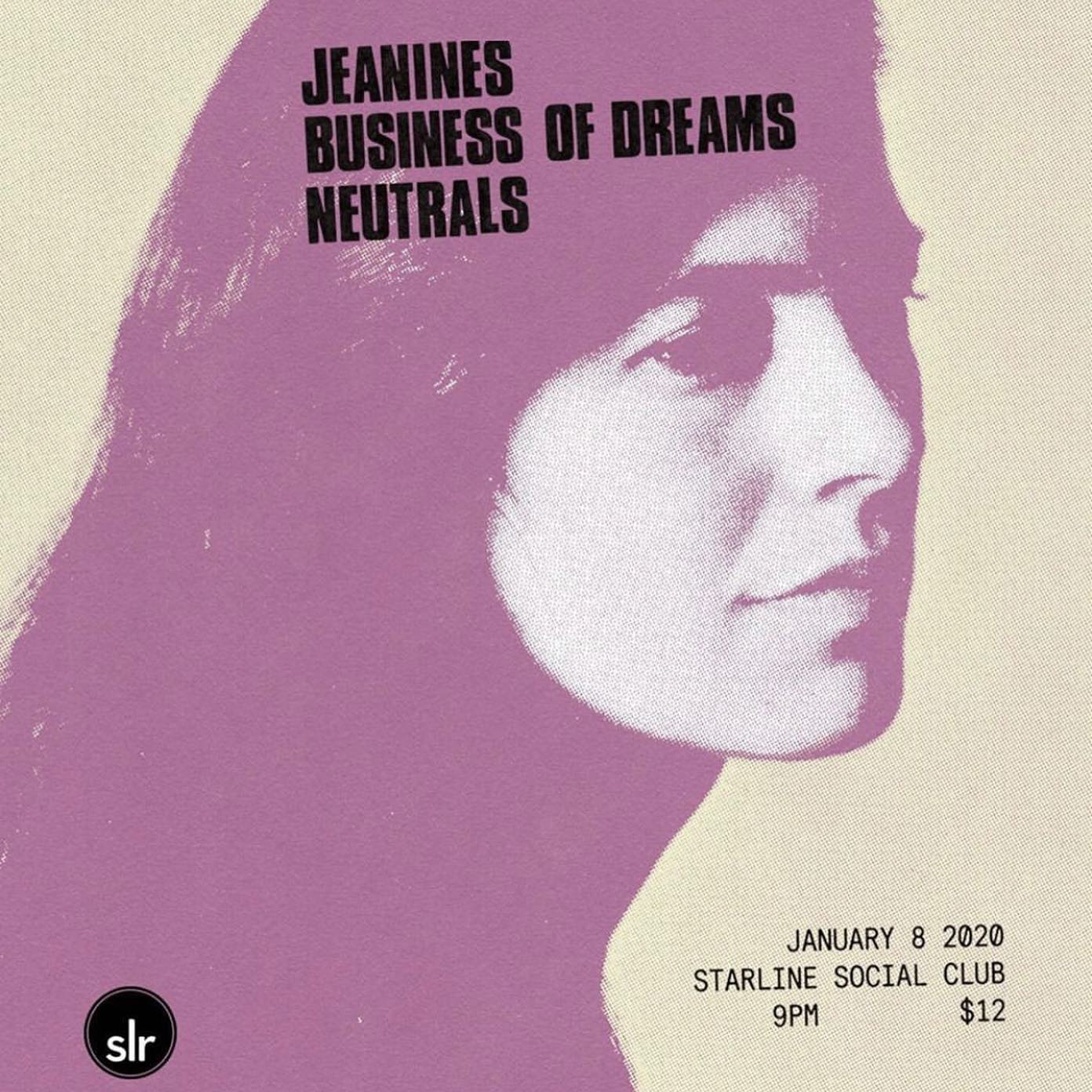
When it comes to indie-pop flame keepers, few do it better than the East Coast band Jeanines. We love their 2019 debut album and cannot wait for the next one out early next year on Slumberland. We caught up with Alicia Jeanine and Jed Smith (My Teenage Stride) to see how they’ve been holding up, what they’ve been listening to and doing over the past few strange years since we saw them play in January 2020 in a chilly basement record shop in Portland. Interview by Gail

CF: What has changed since the pandemic happened? Did you have to cancel plans? Change residence? Change your working style? 
Alicia: The week we were supposed to leave for Europe to play the Madrid Popfest plus two other dates, the entire world basically shut down. That was super disappointing, of course, but we hope to get to Europe eventually! I also graduated library school in May 2020 and moved to Western Massachusetts for a new job this February, which totally changed our working style. We used to go to our practice space together weekly and work on recording stuff, but now we have to do almost everything separately. Jed helped me get a super basic recording setup in my apartment here, but things still take much longer and aren’t as fun, unfortunately.
Jed: What Alicia said, plus a West Coast thing in September that got canceled. Since Alicia moved we’ve seen each other plenty, either me up in Massachusetts or her down in the city for shows, but we can’t really practically record in the same way, so that’s a bit frustrating and the process definitely isn’t as fun. 

What were you like as teenagers? 
Alicia: I was socially maladjusted and had very few friends. I was definitely slowly getting into more and more indie bands, but not many people I knew were into that kind of thing. I was pretty isolated and grew up in suburban sprawl not super close to any cities.
Jed: From ages about 13–18, I was more or less completely asocial. So all of junior high and high school, basically. I wasn’t picked on or anything and actually had good social skills—I remember people even trying to befriend me and I’d just…not take them up on it. All of my teen years were spent alone recording songs on a 4-track pretty much as soon as I picked up drums and guitar at 14, doing special effects makeup (I kid you not), and painting (poorly). I can’t really regret not hanging out with anyone during those years because I spent it being creatively productive. Oh, I did have a weird sort of uh…love triangle in like 11th and 12th grade with two girls at school—I was totally in love with one of them who had a boyfriend and the other one had a crush on me and it was fraught and sad and stuff but this all happened at school—I never hung out with them outside of school, nor did I try. So yeah, I was a weird, very much intentionally solitary teen I guess. Okay, that was wayyyyy too much info sorry. 

Are you from musical families? 
Alicia: Yes, my mom has a degree in music and used to teach piano. She only cares about classical music, though. I’m glad to have that foundation (I was forced to take piano and violin throughout my childhood) but I never wanted to be a classical musician. I definitely think some of my ability comes from my mom, though!
Jed: Yeah, my grandmother was a piano player, basically a stride piano player like Jelly Roll Morton or Fats Waller; she was a virtuoso with perfect pitch, wish we’d recorded her. My grandfather played drums a bit in church jazz bands and my mom is a jazz musician semi-professionally. So I grew up with a lot of jazz. 

When did you write your first song, what was it about, what was it called? 
Alicia: I didn’t write my first song until about six years ago, actually, with the encouragement of Jed. I don’t remember what it was called or what it was about, though!
Jed: The first song I remember writing, which I can still recall completely, like arrangement and everything, was when I was 7, and it was called “Salt Water Up My Nose.” It had a sort of music hall McCartney arrangement with groovy drums and bass arpeggios like Maxwell’s Silver Hammer. I didn’t start playing instruments till I was 14 though, so I had no means to record any of my ditties till then. I was always obsessively doing it though. 

What is your songwriting process like? 
Alicia: Usually I sit down with the guitar and try to will something into my mind, the beginnings of a song. Often it works but sometimes it’s just not the moment. Other times I’ll get a little snippet of a melody or a phrase in my head and sit down and try to work it into a song.
Jed: Either a song pops into my head and I go record it, or I think about a song I want to exist and I work out the arrangement and everything in my head, including the production aspects, so it’s more like writing a record than a raw song. I don’t sit down with an instrument to write, so it’s an entirely uh…cerebral process, which makes recording it a joyless, obsessive sort of act of transcription. Working with Alicia changes that process and it’s way more fun.

Where do you write and record? 
Alicia: I write songs at home. Most of the recording happens at the practice space in Brooklyn, but now I do some recording in my apartment in Massachusetts.
Jed: I write when I’m doing something mundane like shopping or cleaning or showering—mowing the lawn used to be a good time for thinking of songs. It’s good to have the nervous part of me busy with some other task so I can free up the good part of me to think about songs. I record everything in my practice space/studio in Bushwick. 

Your debut album is awesome! What were you going for when you recorded it? 
Alicia: I always say I write sad folk songs and Jed turns them into indiepop gems. So yeah, I handed them to him as simple acoustic things, and he transformed them into pop hits! We both were super into adding lots of harmonies.
Jed: Thanks! Alicia’s early songs were more often than not minor key songs written with acoustic guitar. I liked the idea of up-tempo, super short minor key pop songs, that’s really the main concept I personally had in mind. I couldn’t think of that many examples of it that were contemporary besides Veronica Falls. We also both really love multipart harmonies including hymnal stuff. 

What’s it like being on Slumberland/WIAIWYA? 
Alicia: Being on Slumberland is a dream come true, and Mike Schulman (Papa Slumber) is the nicest, best person you could hope to have on your team. Working on the EP with John from WIAIWYA was also great.
Jed: Same as Alicia, having a record on Slumberland was always a dream and a lot of my friends over the years were in bands I really loved like Cause-Co Motion and Crystal Stilts, who had records on Slumberland—but my first Slumberland obsession was Aislers Set, and I still consider Linton to be one of the greatest songwriters and pop musicians of the past 20+ years. Their stuff was really inspiring to me. WIAIWYA are another great label with great bands and it’s been an honor having a record there. 

What is the pop community like where you live? 
Alicia: In Brooklyn the pop community is doing all right, perhaps not as vibrant as it’s been in the past. It definitely skews older currently. In Western Mass I’m still trying to find any pop community that might exist!
Jed: Brooklyn/NYC has had a lot of great guitar pop…some you could call indiepop, for whatever it’s worth, but some like the aforementioned Cause Co-Motion and Crystal Stilts, who for me were more part of the continuation and mutation of the sort of 60s music that’s always been the core of my musical DNA. Right now it’s disjointed. But there’s always great music being made everywhere, even if the people making it aren’t letting anyone hear it. 

Whose lyrics do you adore? 
Alicia: Nothing is coming to mind right off the bat, but I’ve always found the Siddeleys’ lyrics quite clever.
Jed: I’m always reticent to say it, but I think Mick Jagger is one of the greatest lyricists of all time when he’s not being childishly misogynistic, and weirdly underrated in that sense…especially considering they’re the second most famous band of all time. Other than that, Linton from Aislers Set’s lyrics are one of the things about them that’s exceptional and makes them stand out from other bands associated with indie pop. I also think Kim Deal is one of the most underrated lyricists of all time, especially on Pod. Chris Knox also. 

Where in NYC are you living now? If we came to visit for one day, what should we do? 
Alicia: Jed lives (and I used to live) in Ridgewood, Queens, right next to North Brooklyn. Depends what you like to do! Ridgewood has some great restaurants and bars (both old and new). The music scene right now is kind of in flux/trying to emerge from the pandemic.
Jed: I live in Queens right over the Brooklyn border next to Bushwick. NYC is a horrible place for a day trip or a several-day trip, I think it’s best experienced by actually living here. 

How has NYC changed since the crazy time started? 
Alicia: A lot of places have closed but some haven’t. A lot more outdoor seating, of course! 
Jed: It’s weird and traumatic and wonderful as ever. The music venue situation is upsetting but I think it’s finding ways to mend. Andy Bodor deserves a Nobel Peace Prize. Cakeshop forever. 

Can you cook? What is your specialty? 
Alicia: I can cook but don’t like to. Sometimes I make this thing with green beans and kidney beans that sounds boring and bad but tastes quite good.
Jed: For about four years, I was an obsessive bread baker—like three times a week or so, back in like the mid-2000s. Other than that, Mexican and Italian are my things since forever. 

What’s in the fridge? 
Alicia: Eggs, yogurt, fruit, salad stuff, seltzer.
Jed: Yogurt, too much cheese, beans, too much seltzer. 

What day jobs have you had? 
Alicia:
 Librarian, proofreader/editor, software tester, admin stuff.
Jed: Special education, barista, video store/music store, proofreader/editor, copywriter, internet “journalist,” music lessons, recording engineer/producer, soundtrack composer. Past couple of years it’s mostly been copywriting and recording/producing, paid work–wise. I also do wet work for the CIA occasionally. Not really though. OR DO I REALLY THOUGH?

What are you reading/watching/eating at the moment? 
Alicia: I’m about to start reading something that looks really good, but I don’t remember the name! I’ve been watching so much Masterchef, it’s very dumb.
Jed: If I visit Alicia it’s nonstop Masterchef, so I guess I have to count that. World/American cinema from 1935 or so to 1985ish. Reading, I’m on a Joan Didion kick right now and just finished Kiss of The Spider Woman by Manuel Puig. I also read books about sharks and deep sea life as often as possible. 

What radio shows/DJs/podcasts do you love? 
Alicia: Lately into podcasts by Jamie Loftus; the current one is about Cathy comics. Also love Maintenance Phase (about bodies/dieting/health fads) and You’re Wrong About (rehashing historical moments with witty banter).
Jed: My friend Neal Ramirez has a great show called Sound Burger, and my friends Owen Kline and Sean O’Keefe both have wonderful, unpredictable shows on this indie station called K-PISS (no, really.)

Fave record stores? 
Alicia: None in particular, but I love places with a great and well-priced used selection.
Jed: Earwax, Captured Tracks store, Academy Records, Deep Cuts, and Rough Trade, all in Brooklyn except for Deep Cuts, are/were all great. 

How do you consume music? (Platforms, formats)
Alicia: Spotify and records, mostly.
Jed: I rarely listen to music casually so it’s usually one song or piece, on YouTube, staring at the screen, or my iTunes library. I think YouTube is the best option for music on the internet outside of Bandcamp (for newer/smaller artists).

Do you use any apps or software in to make music? 
Alicia: Logic to record; Voice Memo to jot down ideas.
Jed: Logic for recording and production, voice memo to remember a vocal melody occasionally. In the past I’ve also used Audacity and Garageband.  

Who is your style icon? 
Alicia: No one?
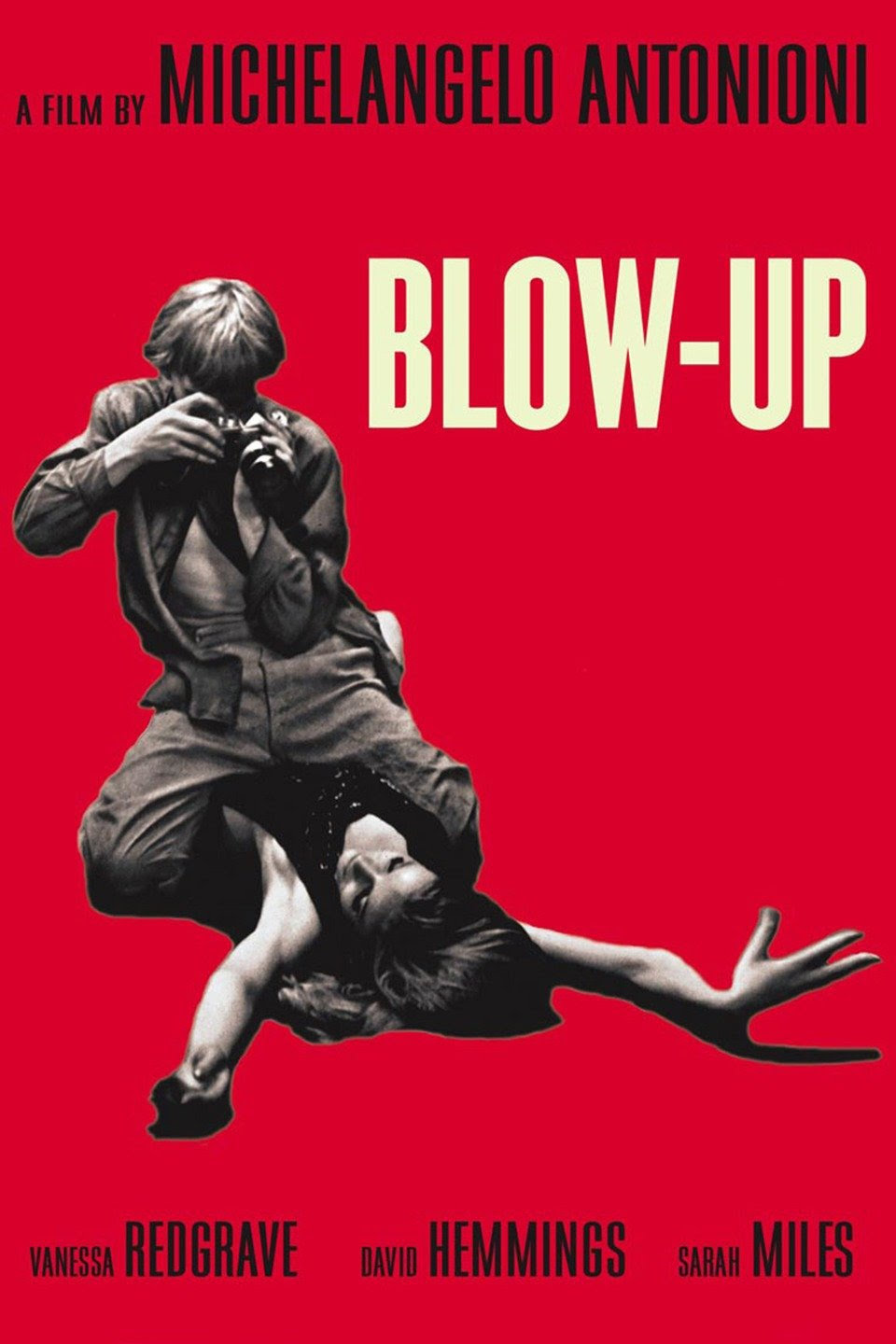
Jed: No one. Though David Hemmings’ white pants in Blow-Up make him 10x more foxy. 

What are your day jobs? Hobbies? Pets? Kids? 
Alicia: I’m the outreach librarian at the public library. Music is my hobby, I suppose. I have two beautiful cats—a calico named Heidi, and a gray and white tabby named Biscuit. They are delightful.
Jed: I’m a copywriter as my regular thing, peppered with recording/mixing/soundtrack work throughout the year. My extremely lovely black cat Elsa is my familiar. 

What would you do this summer if money and COVID were not in the way of your dreams? 
Alicia: Travel more and maybe tour.
Jed: Buy a car and do a road trip across the country and then drive up the coast of California listening to “Babylon Sisters” on repeat. Help some friends out.

What bands/venues do you want to play with/at? 
Alicia: Dream pairings that won’t happen—Aislers Set, Dear Nora. 
Jed: Alicia’s picks are good. My Teenage Stride played in this cool outdoor venue at Primavera years ago. I’d like to do that again but having rehearsed more. 

Future plans? Upcoming tours/records? 
Alicia: We have a new LP coming out in early 2022 and we are hopefully playing some dates in California at the beginning of January around the SF Popfest!
Jed: New Jeanines LP in early 2022 on Slumberland as well as new Mick Trouble LP on Emotional Response in January, with a special limited edition w/flexidisc bonus thingie for Rough Trade which I’m excited about. Touring Jeanines and Mick in SF Popfest and the West Coast in January also. 

Records Alicia Cannot Live Without
Dear Nora – Three States
The Siddeleys – Slum Clearance
Les Calamités – C’est Complet
The Aislers Set – How I Learned to Write Backwards
Nice Try – S/T (2016)
The Mantles – Long Enough to Leave
Elliott Smith – all?
Frankie Cosmos – Next Thing
Go Sailor – S/T
Connie Converse – How Sad, How Lovely

Songs That Jed Cannot Live Without
“All My Hollowness,” Tall Dwarfs
“Nothing But Heartaches,” the Supremes
“This Angry Silence,” Television Personalities
“Anything Could Happen,” The Clean 
“Myself When I Am Real,” Charles Mingus (from Mingus Plays Piano)
“Reach Out, I’ll Be There,” The Four Tops
“Luck of Lucien,” A Tribe Called Quest
“Back Up Against the Wall,” Circle Jerks
“Doe,” The Breeders
“Quick Step,” The Adverts
“Ready Teddy,” Little Richard
“Hit It and Quit It,” Funkadelic 
“They Don’t Know,” Kirsty MacColl 
“Don’t Believe the Hype,” Public Enemy 
“Oogum Boogum,” Brenton Wood
“Lady Rachael,” Kevin Ayers
“Solace- A Mexican Serenade,” Scott Joplin
“Dawn,” The Four Seasons
“Get Right Back,” Maxine Nightingale 
“I Bet You,” Funkadelic 
“Sabbath Bloody Sabbath- Black Sabbath
“Theme de Camille” from Contempt/Le Mepris soundtrack- George Delerue 
“Queen of Fools,” Barbara Mills
“Do I Love You,” Ronettes 
“Girls Just Want To Have Fun,” Cyndi Lauper
“Rosie Won’t You Please Come Home,” Kinks
“Gideon’s Bible,” John Cale 
“Touch the Hem of His Garment,” Sam Cooke & The Soul Stirrers
“Mona,” The Beach Boys
“Electric Funeral,” Black Sabbath
“Sweet & Dandy,” Toots & The Maytals
“Into The Groove,” Madonna
“After Eight,” Neu!  
“Your Heart Out,” The Fall
“No Side To Fall In,” The Raincoats
“Street Fighting Man,” Rolling Stones
“When I Grow Up,” The Beach Boys
and every Velvet Underground album 

IPUC at 30! The International Pop Underground Convention Remembered by Those Who Were There on its 30th Anniversary

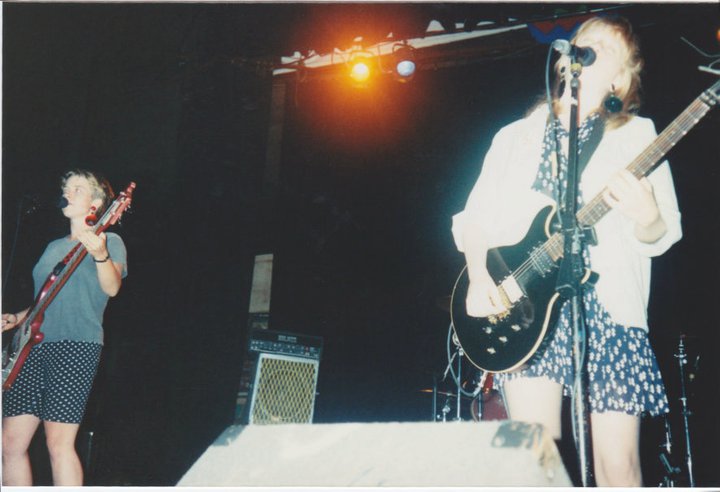
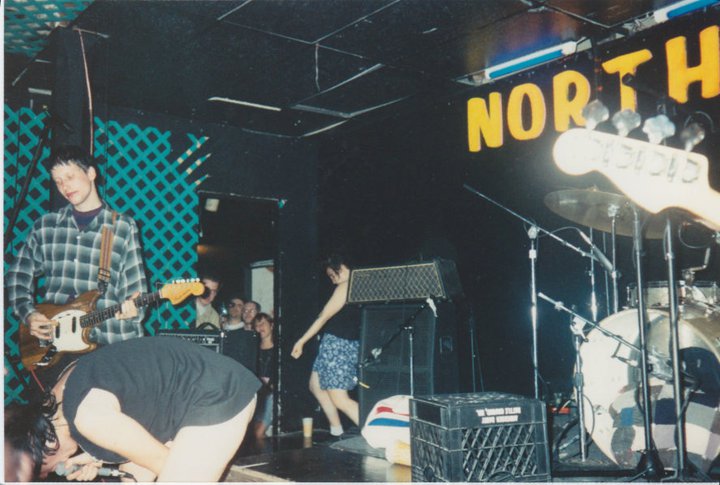
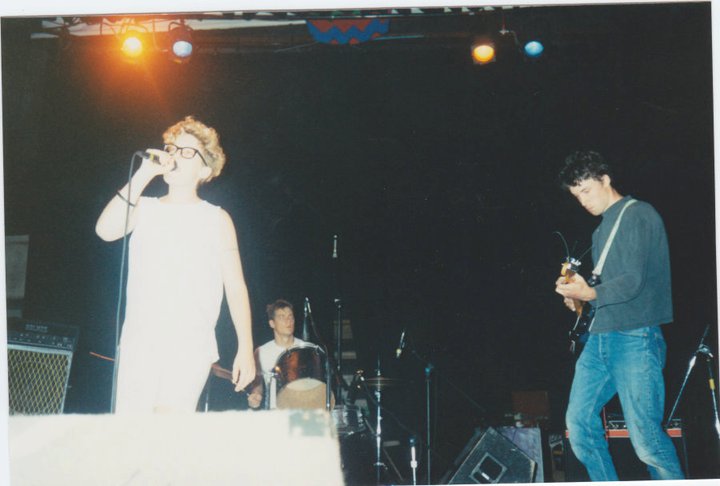
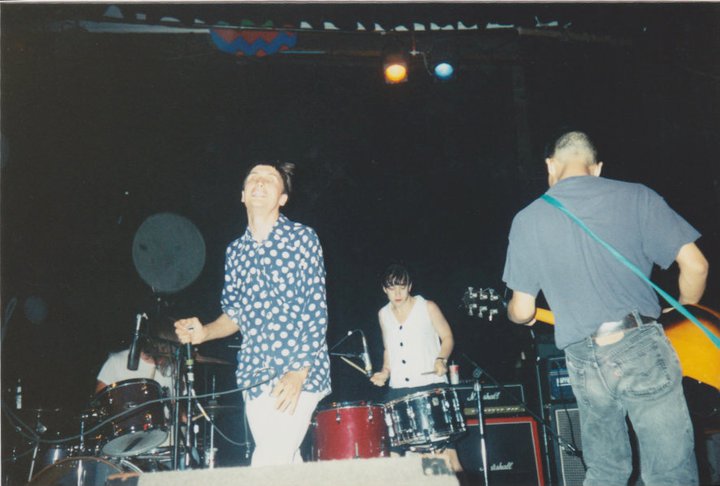
We asked a few folks to look back and try to remember what it felt like attending, organizing, and performing at the very influential International Pop Underground Convention, which took place August 20–25, 1991 in Olympia, Washington, was organized by Calvin and Candice from K Records, and featured a crazy good lineup including Beat Happening, Bratmobile, the Pastels, Jad Fair, Kicking Giant, Some Velvet Sidewalk, Bikini Kill, Nation of Ulysses, Sleepyhead, Scrawl, Nikki McClure, Rose Melberg and loads more. This type of festival became a blueprint and surely influenced our foray into party throwing a few years later. Some folks remember it as a magical utopian moment in time, others were stressed and disillusioned. Whatever those who attended felt, it was a pivotal moment for independent labels, great pop and punk music, and a spirit and community still with us today.

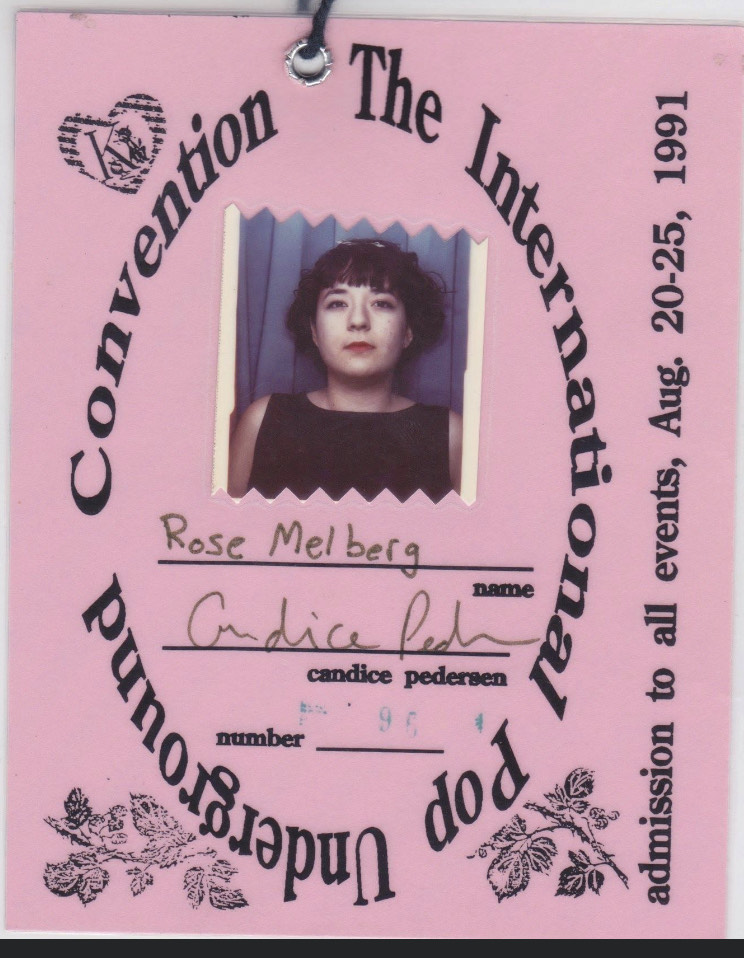
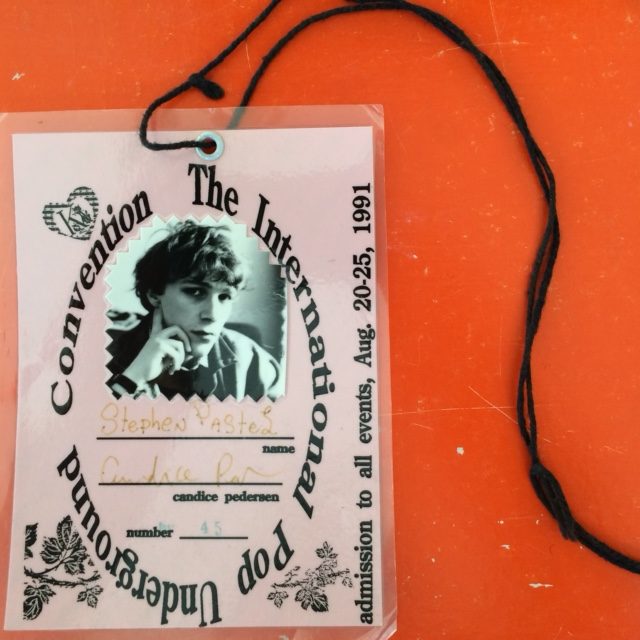
Convention pass courtesy of Rose Melberg

Did you attend the convention? What made you want to go? 
Nikki McClure: Yes. It felt like it would be the center of the world that week. I had a job in the mountains during the week (field ornithology) and threatened to quit when my boss wouldn’t let me take the week off as promised. He let me go and keep my job. I was willing to risk complete poverty for the Convention. My boyfriend at the time went to Europe with Nirvana to the Reading Festival. That moment felt like a cultural divide. Everything shifted in August 1991.
Erin Smith (Bratmobile): YES!  I was a major K kid from ’87 on, so it was a no-brainer I was going. That was the entire center of my universe—virtually EVERY band I loved at the time was playing IPU.  I was OBSESSED with Beat Happening! Bratmobile were asked by Calvin Johnson to play as well—a total dream come true!  Bratmobile were actually the only band to play 2 shows at IPU—both on Girl Night—8/20, and an early morning show with Kicking Giant and Jad Fair on 8/23.
Michael Galinsky: Sleepyhead got invited to play, largely due to Tae’s suggestion. I don’t think we even had a single out yet, maybe we did… it’s murky, but we had just done our first 10-day, 5-show tour that July. So, we were a little more prepared to play. I might have gone even if we weren’t playing, but I was also pretty broke so it would have been a big reach for me. Thankfully the awesome folks in Treehouse offered us a place to stay, which made it more possible. Allison from Bratmobile lent us her car to go pick up Rachael, our drummer, about two hours before we had to play. All went smoothly until we left the airport and realized we needed gas. She had given us the key to the car but not the gas key, which we discovered when we pulled over to get gas. Thankfully we made it into town and had to jump on stage shortly after we got there.

Memories from Lois Maffeo


Tobi Vail: Yes. I honestly don’t remember if I wanted to go or not. I mostly grew up in Olympia and I was a part of the K scene as a teenager but after I was assaulted by a stranger at 18 (in my first apartment in Eugene) what I perceived to be traditional gender roles and cute 1950s aesthetic of K no longer spoke to me (if it ever really did). I was in a band with Calvin (’85–89) as a teen and I looked up to him but that experience ended on a bad note. The year before IPU I was part of a feminist awakening of young women in the NW music scene, which eventually led to us starting riot grrrl. We were angry and pushing back against male domination and patriarchy and at that point I feel like most men in the Olympia music scene were threatened by us—exceptions were the teenagers in Unwound and the guys in Nirvana, who were super supportive. We had a little trouble communicating with K when they were distributing our self-released demo tape and ended up pulling it from their mail order to distribute on our own and I don’t think they understood why we wanted to control everything but that was really important to us at the time. So it was nice that the festival was organized by a woman (Candice) who became a co-owner of K. In retrospect I do appreciate that K sold our tape through their mail order and I appreciate their support but I wish that we had been able to communicate with them a little better about sales.
Ira Robbins: I was there and wrote about it in Rolling Stone, which earned me a death threat from Ian Svenonius.

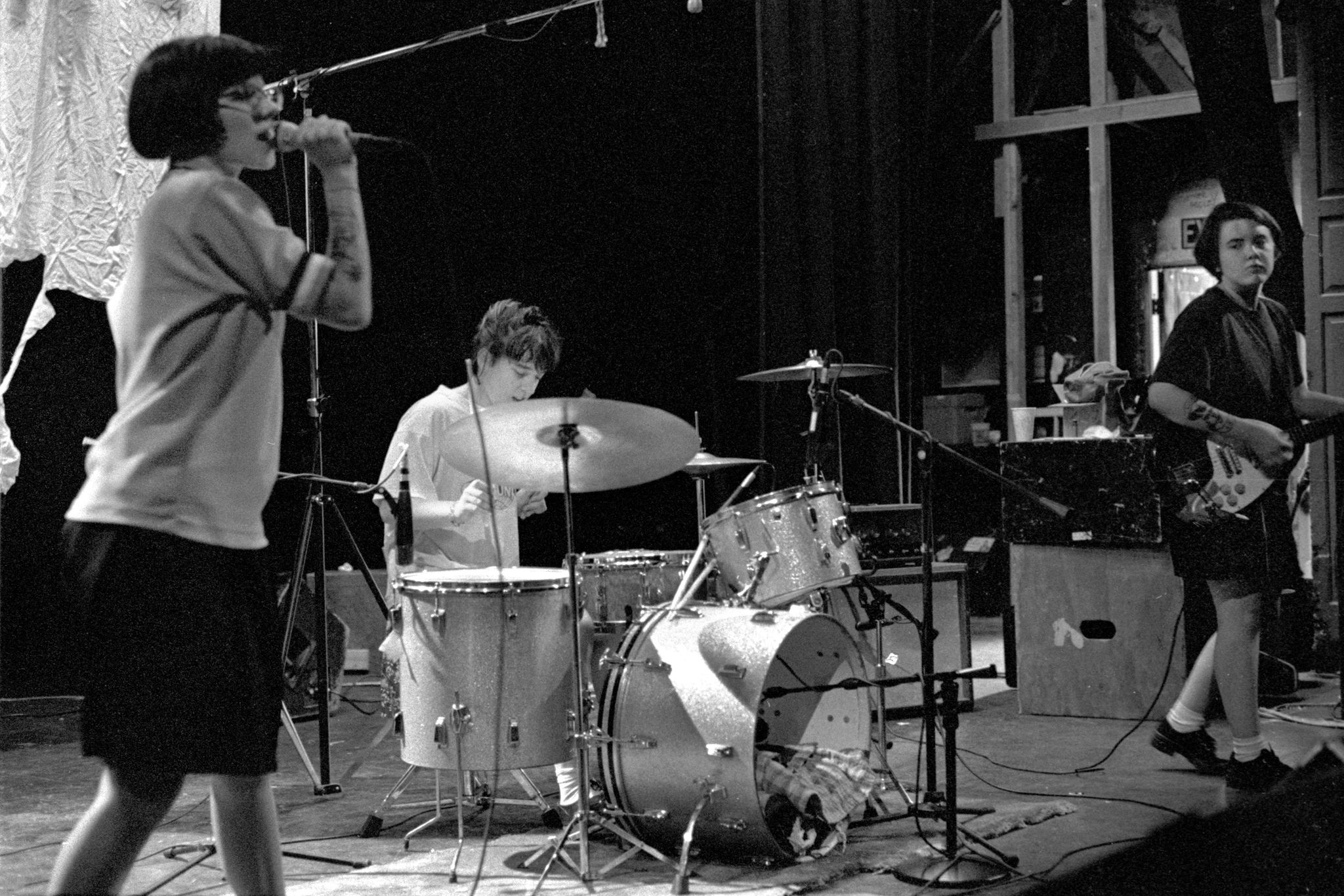
Bratmobile photographed by Michael Galinsky

Had there been other festivals like this you’d been to before? What felt different about it? 
Nikki M: It really felt like a Convention and not just some shows. A Convention needed banners! So I made some from dyed sheets with sticks found on the old growth forests I was working in. I made them on the floor of the ranger cabin that I lived at during the week, rolled them up and headed to Oly then unfurled them from the windows of The Martin apartments. There was more happening than music. It was a collection of people forming an international underground community and network. It was important work.
Candice Pedersen (IPUC organizer/formerly K Records): I’d never been to a music festival or conference before. The IPU was designed so that the bands and the audience would come to us! But seriously, the IPU convention was a chance to be at a conference that was designed by the kids for the kids. 
Erin Bratmobile: Festivals for “our” brand of indie were not so commonplace at this point.  Of all things, I’d won tickets to the first Lollapalooza, so attended that in DC the SAME week as IPU, turned 19 that day, then flew to Olympia.
Tobi Bikini Kill: No.
Michael Sleepyhead: We went to a couple of others after this. Lotsa Pop Losers (which wasn’t as big but had a similar inclusive vibe) and Lollipops and Booze, which was more of a schedule of shows with a pass over the course of a week than a festival like this. So, no, this was a truly unique and powerful event.

Scrawl photographed by Rose Melberg

Organizers, what do you remember about putting it together? 
Candice Pedersen: Everything and nothing. I remember being adamant that the design should include blackberries as they are Olympia in August in a nutshell. I remember hand making the badges. I remember when it was proposed (not by us!) that there should be a “girl night” and worrying that if it was the first night no one would be there. Which was exactly what didn’t happen. It was the most electric night of the entire festival. I remember the Sub Pop BBQ—it was great to have them as part of the convention even if there wasn’t any food. 
Nikki M: I made banners. I helped Candice make invites. Calvin had issued a call to action which is still vital and raw. She wanted formal invites mailed to people. I made a blackberry vine image, which now seems fitting for those hot, sweet, thorn-scratched days.

Convention pass courtesy of Stephen Pastel

Performers, what did it feel like to be there? What were the fans like? 
Stephen Pastel: From our perspective just being invited was really exciting. It was the first time we’d played in the US and it was the first time we’d played a community type event on that scale. Everything about it seemed thought through, joined up—the groups, the audiences, the spaces, the city. We were so impressed by all the work that Calvin, Candice and their friends had put into it—it was so ahead of its time. I remember the Beat Happening show being incredible, seeing them at their best in a beautiful theatre space with an absolutely packed out audience just going wild for them.  It felt like we were at the epicentre of something new and the world had suddenly changed for the better.   
Rose Melberg: I remember going to my first punk show at 13. all guys of course. it was like Social Distortion and Battalion of Saints and I was standing in the back of the venue in Sacramento. I was tiny. I was up in the top and my first thought was: the safe place is on stage. I was terrified of what was happening in the pit but I wanted to be a part of that and I saw it in my mind. I was having all these ideas of what it would look like and feel like to sing in a punk band, just scream and be above everyone. it was my first punk show and that was the feeling I got. I wanted to be on the stage. partly out of fear and partly out of power but mostly because I wanted to be part of it so bad. I was 19 when got up onstage at IPU. I was terrified. I had a physical reaction to it. my hands shook violently. I wanted to get on that stage so bad but my body wouldn’t even let me. I had to kind of detach because I knew I wanted it so bad—even though my body was telling me “don’t do this”—I couldn’t even hold my guitar pick. I was so desperate to be included. I didn’t want to feel left out. I didn’t want to be in the audience. I wanted to be liked and acknowledged and heard (from chickfactor 18, interview with the Softies).
Nikki M: This was also my first time performing. I sang a few songs at Girl Night, the songs I sang in the woods to ward away bears. It was powerful to hear those songs fill the theater. Those 5 minutes were life altering.The theater was packed. It was the first night and every one was so eager and open to possibility. We were creating our own world.
Michael Sleepyhead: It was wonderful to be there, but no one had even heard of us so it was kind of like going to a film festival with your first film, where you don’t know a lot of folks. Although, this was a little different as we knew a couple of the bands from their visits to NY and we had Tae to make some introductions. It was fun to play for sure, but also kind of hard to do an outdoor show when we had never done anything remotely like that. We were young and excited and it just meant a ton to us to be invited into the community. 

Bikini Kill photographed by Rose Melberg

Tobi Bikini Kill: Bikini Kill got to play the festival but we were added late and had to play an afternoon show on a small stage. I feel like someone from DC got us on the bill at the last minute but I really can’t be sure. I remember feeling kind of bummed that we didn’t get to play with Nation of Ulysses who we had been on tour with and spent the summer with in DC but I was happy that we got to play. Unfortunately, we didn’t have a chance to practice that summer as Kathi, our bass player, had gone to Europe by herself. It was a hard show for us. We weren’t ready and had a lot of equipment trouble but I think some of it was pretty good.
Erin Bratmobile: Girl Night especially was completely intense.  The stuff of legend now!  The launching point for so much.  Heavens 2 Betsy played their first ever show at IPU—Rose Melberg as Tiger Trap, too.  So I got to witness both Corin Tucker and Rose Melberg’s first times on stage.  I remember Corin coming up to me after the show and complimenting me on the Bratmobile set.  It was all so new to me, too—I had no idea how to respond!  

Beat Happening photographed by Rose Melberg

Fans, what do you remember loving about it? 
Nikki M: Probably many Performers were Fans 90% of the time. I remember dancing and responding to the immediacy of sound and to the intimacy of hanging out with those who just made you dance so crazy afterwards. It was a Convention, We were all attendees, not so much fan or performer.
Michael Sleepyhead: As a fan I was blown away by seeing a lot of bands I had only heard about, like Bikini Kill, Jad with the Pastels was amazing. Seeing Beat Happening play to a packed house that was all in was astounding. Nation of Ulysses was on fire. the Bratmobile Kicking Giant show was inspiring. It was also nice that the whole thing felt very community focused.
Erin Bratmobile: Olympia is magic.  Being able to just WALK and see every band I loved over the course of a week was wild. All of my heroes were playing!  When Stephen Pastel asked to borrow my Sears Silvertone amp—well, he was a hero of mine to say the least.  Just a couple years before I was buying my first Pastels album, and now, not only was I playing the same festival of them, Stephen liked my amp?! There was not a whole lot of divide between the bands and the fans. The bands were fans, too!
Tobi Bikini Kill: I lived across the street. It was overwhelming. People kept coming over to my teeny tiny apartment. It was nice to have friends in town but there was no escape. I don’t remember the fans, it seemed like everyone here was in a band and it was just like people in the audience getting up on stage and vice versa. That was pretty cool.
Rich Siegmeister: I was friends with Sleepyhead but they made their own arrangements and I traveled there by myself. I needed a hotel. K records was offering to help and it sounds crazy now but they randomly placed people together. I ended up in a room with a nice guy. We didn’t hang out much together but when it came time to sleep, he came out in silvery silk pajamas. We were each in our single beds but crazy. Also I was hanging outside talking to some nice people from New Zealand. I was telling them how I loved the Clean and the Chills and this all girl group Look Blue Go Purple. They got a look on their faces and then one of them yelled out “Lizzie you got a fan.” A member of the band was there and couldn’t believed I was listening to them.

Sleepyhead photographed by Michael Galinsky

It was a very exciting new fresh time for music and culture: What did the community feel like then and is some of it still intact for you? 
Candice P: The community felt intimate and yet also disparate. Everyone was together but still had their own thing going, which I appreciate. I wouldn’t say the community from then is still intact for me. But, many of the friendships I had then and made then are still the most important friendships I have today. And many faded as they do.
Erin Bratmobile: It’s hard to understand in retrospect, and it might not even be fully understood unless you were there, but IPU was like the big bang and really everything came from that in a lot of ways. It’s all still totally intact. Friendships formed over that week for so many have been life long. It was life changing, and that’s not hyperbole.
Michael Sleepyhead: That community is still foundational for me. Tae drew the cover for our first single and he designed my photo book two years ago. I went on to make films but my foundational community is still the music one. It is wildly more open and supportive than the film world. 
Nikki M: The community was always present then and possibilities were always blooming. Now that spirit is there, but things aren’t nearly as spontaneous or untamed. It feels like it might just be me, but I think we all are thinking that…maybe? We all have embers we carry from that time and still use in our lives.
Tobi Bikini Kill: For me it was a little bit of a sad time. Nirvana wanted to play and they were not allowed because they had signed to a major label. The ’80s were ending and the ’90s were starting. L7 were great. I was confused that they got to play but Nirvana didn’t. I remember wishing that they didn’t sign but understanding why they did. I didn’t think we needed corporations to buy and sell our music and I think that was kind of the main idea of IPU.

Photograph by Michael Galinsky

What performances do you remember? New artists discovered? 
Candice P: I love all my children equally. 
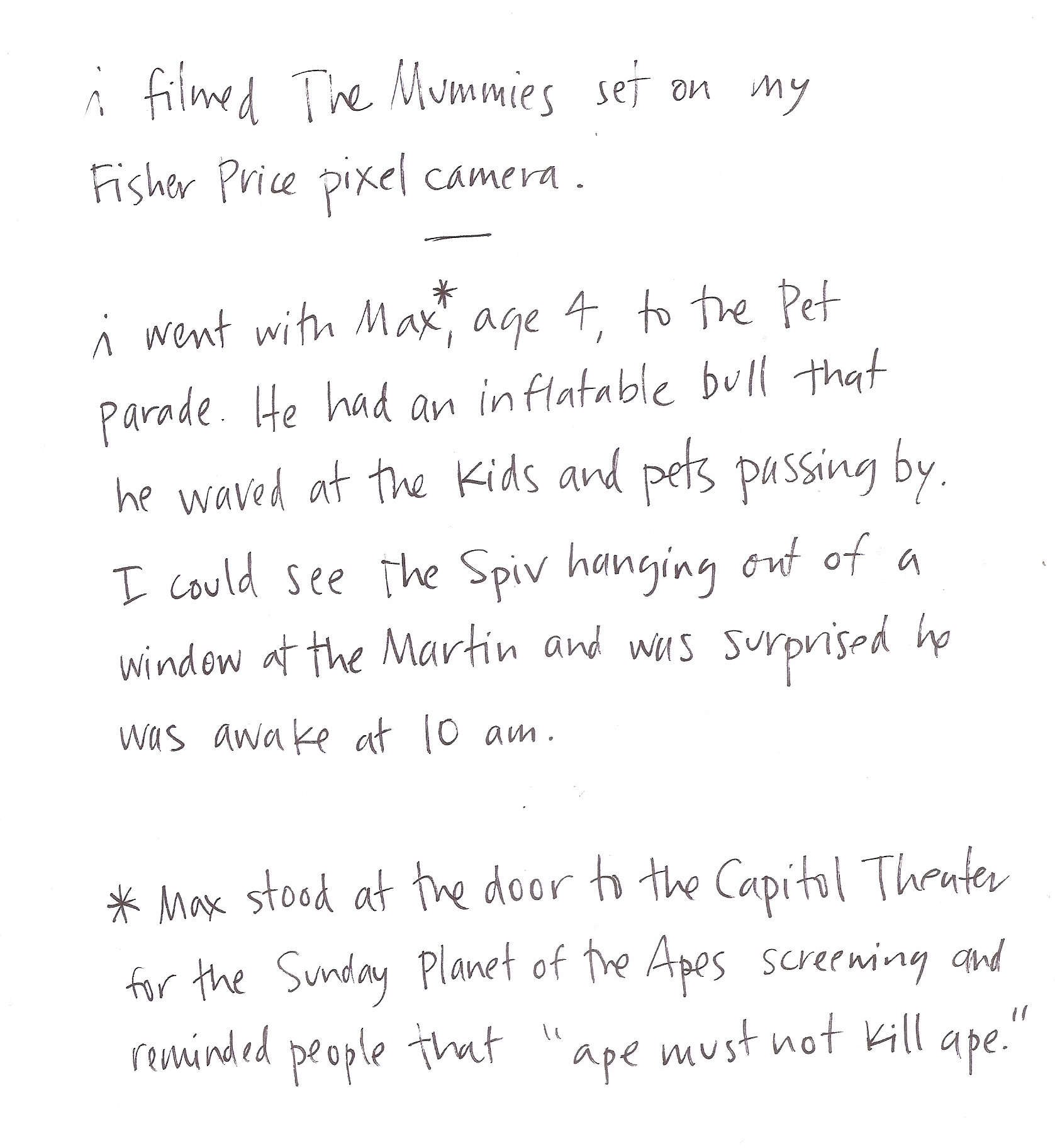
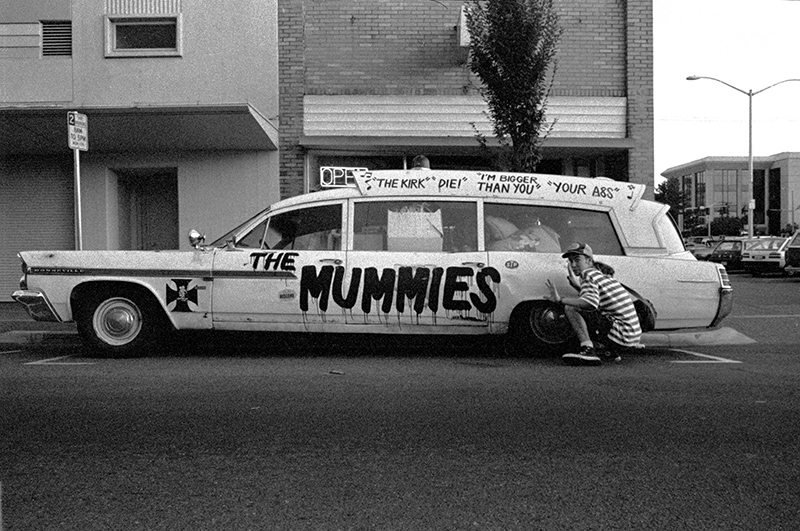
Erin Bratmobile: I STILL hear IPU stage banter replaying in my head.  Thee Headcoats: “Oh, fuck your mother.” L7: “Keep your elbows off the knockers!!” The Bikini Kill set was absolutely revolutionary. The Mummies were incredible! I remember heading straight to the pit—all of Bikini Kill and all of Bratmobile together—to watch the Nation of Ulysses.  After their blistering performance, I remember James Canty coming back out onstage to humbly announce the release of their first record.  I was SO PROUD!  
Tobi Bikini Kill: Bratmobile played two sets I think and they were very good. Heavens To Betsy at girl night were incredible. Mecca Normal were great, as always. I remember being excited The Pastels were going to play but I would have been more excited to have seen them a few years earlier when they were still one of my favorite groups. Nation of Ulysses was my favorite group at the time but I remember Thee Headcoats as being the best group at IPU by far. They had played Olympia the year before and both shows were nuts. I think the band I discovered at the fest is The Mummies—they were so good and fun and funny. Fugazi was great too.
Nikki M: Fugazi. Heavens to Betsy. Rose. Jad Fair. Beat Happening. I Scream Truck. Nation of Ulysses. The Pastels. Cake walk. A picnic with no food.

Slim Kill Rock Stars, Rose Melberg and Al Some Velvet Sidewalk (photo courtesy of Rose)

What was the vibe in general? 
Candice P: For me the vibe was hectic. The Pastels were staying in my apartment, I had to co-host the event, and I was trying to spend time with friends. The time flew by. I was supposed join the Pastels on their west coast tour after the convention but I was too exhausted/sick to go. Chris Jordan so kindly took my place at the last minute. 
Nikki M: Festive. Spontaneous. After this past year, it seems fantastical that we once so freely mingled and danced and ate cake. It was powerful. All dreams became possible.
Tobi Bikini Kill: A little stressful. Like too much going on at once. It was also very odd to have people not from here acting like it was quaint or cute or utopian or something and not really understanding where they were. By 1991, Olympia was no longer a milltown but the brewery was still here. It was still pretty working class, the center of southwest Washington, which was populated by loggers and timber workers. It was a kind of rough place to live if you were nonconformist. The Evergreen State College is a public school and very progressive but it’s very small. Olympia never really was a liberal college town because the population of students has always been just a few thousand and my impression is that most people who end up going there are kids from the NW who couldn’t afford or get into a more expensive school. Local kids who went to punk shows and hippies from Evergreen got targeted and bullied and physically assaulted by guys in pickup trucks downtown. The IPU people didn’t really seem to notice any of that. Also it rains more than 150 days a year in Olympia and it was very sunny that week. It all seemed like a dream.

Tae Kicking Giant photographed by Michael Galinsky

Why do you think there was this link between D.C. and Olympia? Was it down to individuals or was it just a shared ethos? 
Nikki M: Both! Individuals sharing an ethos but with differences between the East and West. Both explored and created cultural freedom. For the Cake Walk, Cynthia Connolly (DC and Dischord) made a vegan chocolate cake topped with freshly picked blackberries, if I remember correctly. That cake seemed the perfect pairing of the 2 sides of the country.
Candice: It’s a shared ethos. 
Erin Bratmobile: I think it began as certain individuals and grew to be a shared ethos.  Calvin Johnson lived in Bethesda, MD, in the late ’70s/early ’80s, so was involved in the DC punk scene before going back to Olympia and Evergreen. Then the cross-pollination of the scenes continued. DC had great record stores like Yesterday & Today that stocked K titles, and Calvin visited family in the DC area all through the ’80s into the early ’90s, always bringing along records and making more connections. I connected with being a K and indie kid before I then grew to intensely love Dischord and the DC underground. Nation of Ulysses and Fugazi were my gateway drug in that regard, if that makes sense!
Tobi Bikini Kill: Olympia is the capital of Washington so there are a lot of natural connections—one of them being that Calvin went to high school in both places.
Michael Sleepyhead: I think it was both the shared ideals and the musical influences created a strong cross current that made sense—I felt like going on tour was like being in the pony express. Bands carried information and ideas from one town to the next and in some ways DC and Oly were kind of the terminuses at the end of the routes.

Rose Melberg, the very first time she ever got onstage or sang into a microphone. (Photo courtesy Rose)

Was it covered by mainstream media then and if so, did they get it? 
Nikki M: Who cared? We were mostly happy to outnumber the logging trucks.
Tobi Bikini Kill: Yes and no.
Candice: I think there was national media outside of indie fanzines. I remember Ira Robbins wrote something. But, if people “got it” or not didn’t concern me. “It” was something for different for everyone. And, I didn’t care if media got what it was to me.  

The Pastels photographed by Rose Melberg

Is there anything else you remember? 
Candice: I don’t remember meeting Scotty but he remembers meeting me (I asked him how old he was!). But, I’m glad we were both there because one year later we started dating and 29 years later we’re still together. 
Nikki M: Driving with Calvin to the Sup Pop picnic but there was no food left. People signing the back of the Kill Rock Stars albums like they were yearbooks with the silkscreen ink still a bit tacky. Melvins at the park. Blueprint posters taped to my door fading over time. Was this the festival that the theater cat peed on the shirts?
Erin Bratmobile: The first Kill Rock stars comp came out on vinyl the week of IPU, all hand silkscreened covers, with no time even to put the art on the back yet. So all of the copies given to the bands that were on the comp had hand done covers and blank backs. Several of us, myself included, got autographs of the other bands on the blank backs, high school yearbook style. 
Tobi Bikini Kill: The first Kill Rock Stars compilation came out at IPU. The front was silkscreened and the back was blank so everyone used the back like a yearbook and signed each other’s records. That was pretty cool. 
Michael Sleepyhead: I don’t have a good tactile memory. Thankfully I have pictures, though not nearly enough from that event. What I do recall was that the whole summer felt the beginning of something for me. It takes a lot of hope to start a band and then commit to it in the way that we felt we needed to. The summer before we had moved to Providence to live together. It wasn’t an easy transition but we muddled through and became more of a band. We started to play out in NY a lot which connected us with NY bands like flying saucer, ruby falls, antietam, and many others. II spent months booking that first tour which we went on a few weeks before IPU. On that trip we met some incredibly creative people and that just changed my life. Then we went out to Olympia and that sense of being part of a community became some much more profound.

See more photos of IPUC by Michael Galinsky here.

Rachel Kicking Giant (photographed by Rose Melberg)
The Pastels with Jad Fair (photographed by Rose Melberg)
Bratmobile with Michelle Noel (photographed by Rose Melberg)
Some Velvet Sidewalk (photographed by Rose Melberg)

Sleepyhead (photographed by Rose Melberg)
Kicking Giant (Photographed by Michael Galinsky)

label spotlight: shelflife records

Ed at Toffee Club in Portland. (Photo: Gail O’Hara)

Shelflife Records
label head: Ed Mazzucco
location: Portland, Oregon

as part of a new series focusing on indie labels, we introduce (those who don’t already know him) y’all to Ed Shelflife! Not too surprisingly, he also has a day job, is a massive karaoke aficionado, is a soccer dad, cat lover and longtime vegan! Shelflife has put out loads of records that we adore. Meet Ed…

chickfactor: What year did you start a label? Where? Why? 
Ed Mazzucco: Shelflife started in 1995 from my bedroom in Southern California.  I was inspired by a lot of the great international bands I was discovering at the time and I really wanted to help get these bands a little more exposure in the US.  That was basically the label’s mission at the time and our first release (the Whirl-Wheels compilation) was the product of that.  

What has been the most fun bit about running a label? 
I love working with so many amazing artists and helping bring their visions to life.  I never grow tired of holding a brand new release in my hands for the first time. It’s a pretty magical experience working from start to finish with our artists to create a product together that will soon be shared and loved by our community.  I put a lot of time and energy into making each and every release the best it can be.

What have been the biggest challenges? 
Right now the vinyl production bottleneck is causing me quite a headache.  It’s all a bit insane, going from 3-4 month to 6-7 month turnaround times.  We are doing our best to navigate through it, but really hoping the plants can catch back up in 2022.  

What are the top sellers of all time on yr label? 
Off the top of my head, probably Airiel, The Radio Dept, and The Ocean Blue.   

What new stuff are you working on in the coming year? 
We just released wonderful new albums by The Catenary Wires (ex-Heavenly), Always You, and Pastel Coast.  We haven’t announced our fall releases just yet, but there are some really exciting things coming up.  

What labels have inspired you? 
Factory, Sarah, and Slumberland are the first to come to mind. Slumberland probably was the most influential for me in starting Shelflife.  I still remember writing letters to Mike asking for advice.  

How do you find new records (not on your label)? 
Usually word of mouth from friends or sometimes on Instagram.  

What are some great record stores and mail orders still operating? 
I have to give a shout out to My Vinyl Underground in Portland, OR.  Hands down the best indiepop shop around today.  

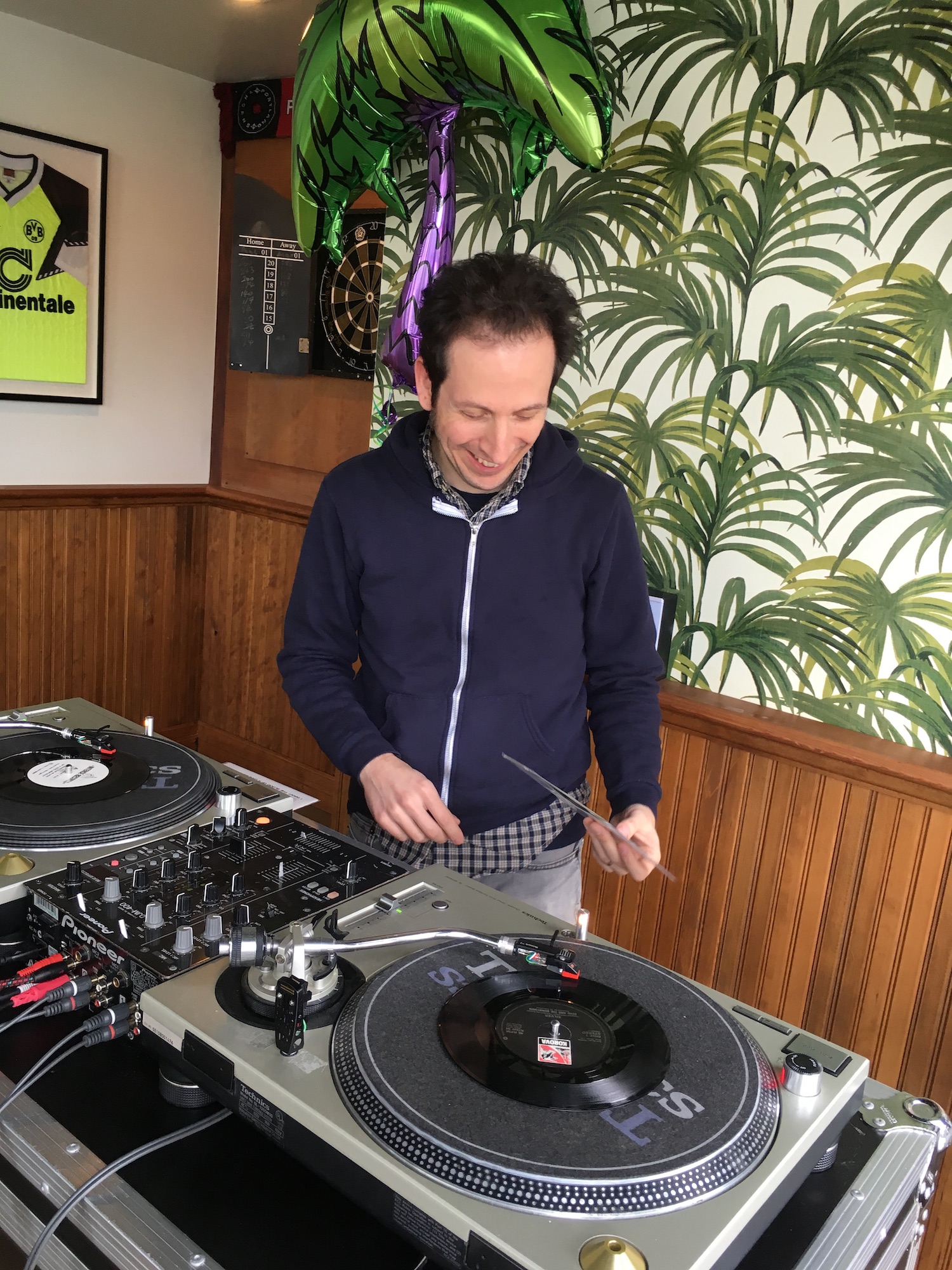
Ed DJing at the Indiepop Brunch, the Toffee Club in Portland a few years ago. Photo: Gail O’Hara

Can people get your releases outside your country? 
Yes, but sadly shipping costs and taxes are making it harder these days.  Our solution has been to work with an overseas partner label on most of our releases, so fans can have a local label to service them.  That helps a lot with keeping shipping costs down.  

What bands/records are you really excited about? 
I have been really into the new Lightning Bug “A Color Of The Sky” LP and Submotile’s “Sonic Day Codas” CD.  

What are you drinking, eating, listening to, reading, watching these days? 
drinking: Fort George 3-Way IPA
eating: Modern Times Crunchwrap
watching: Unsellable Houses on HGTV

Do you also play music? Tell us about it. 
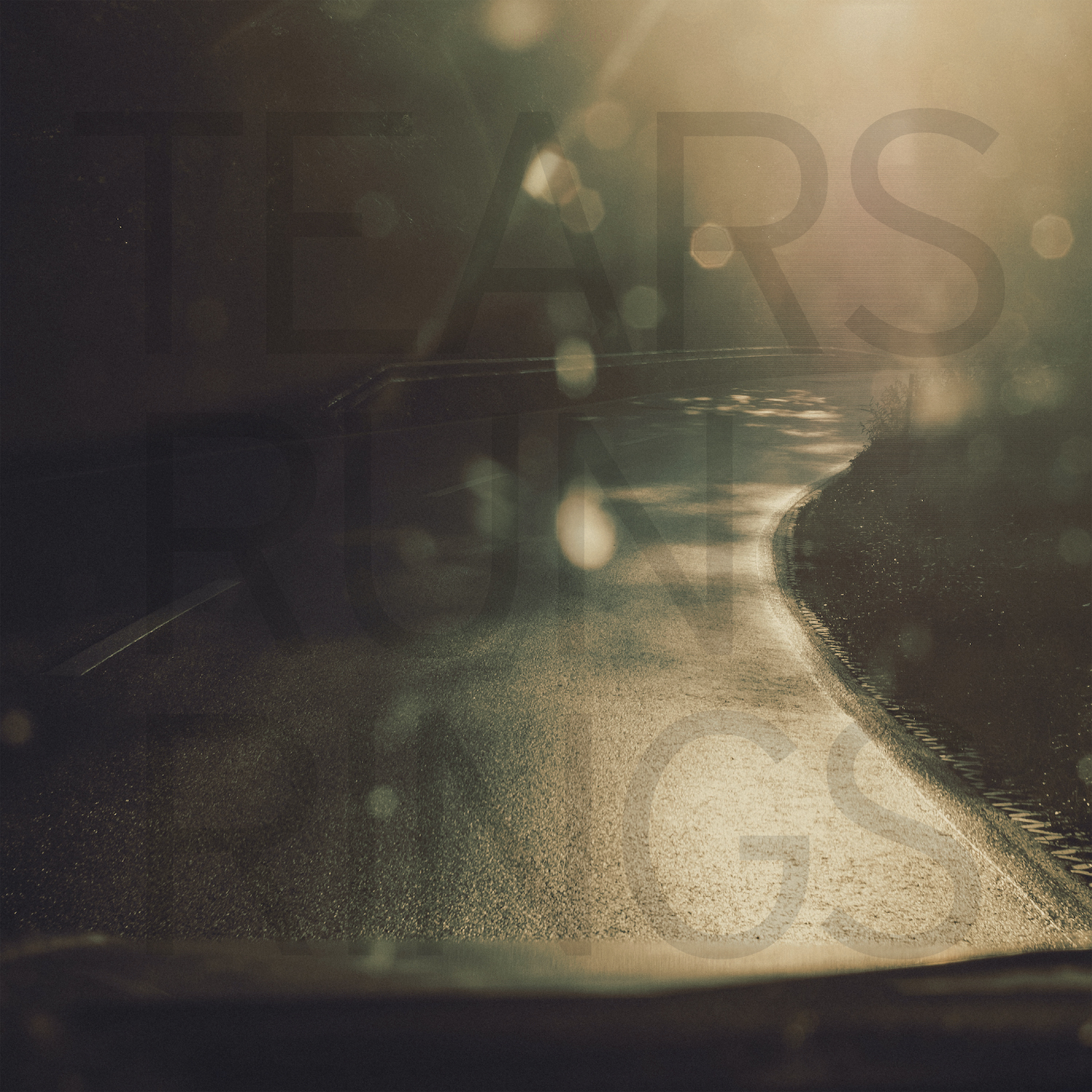
Yes, I play guitar in Tears Run Rings.  We’re working on our 4th album right now. 

Anything else you would like to add!? 
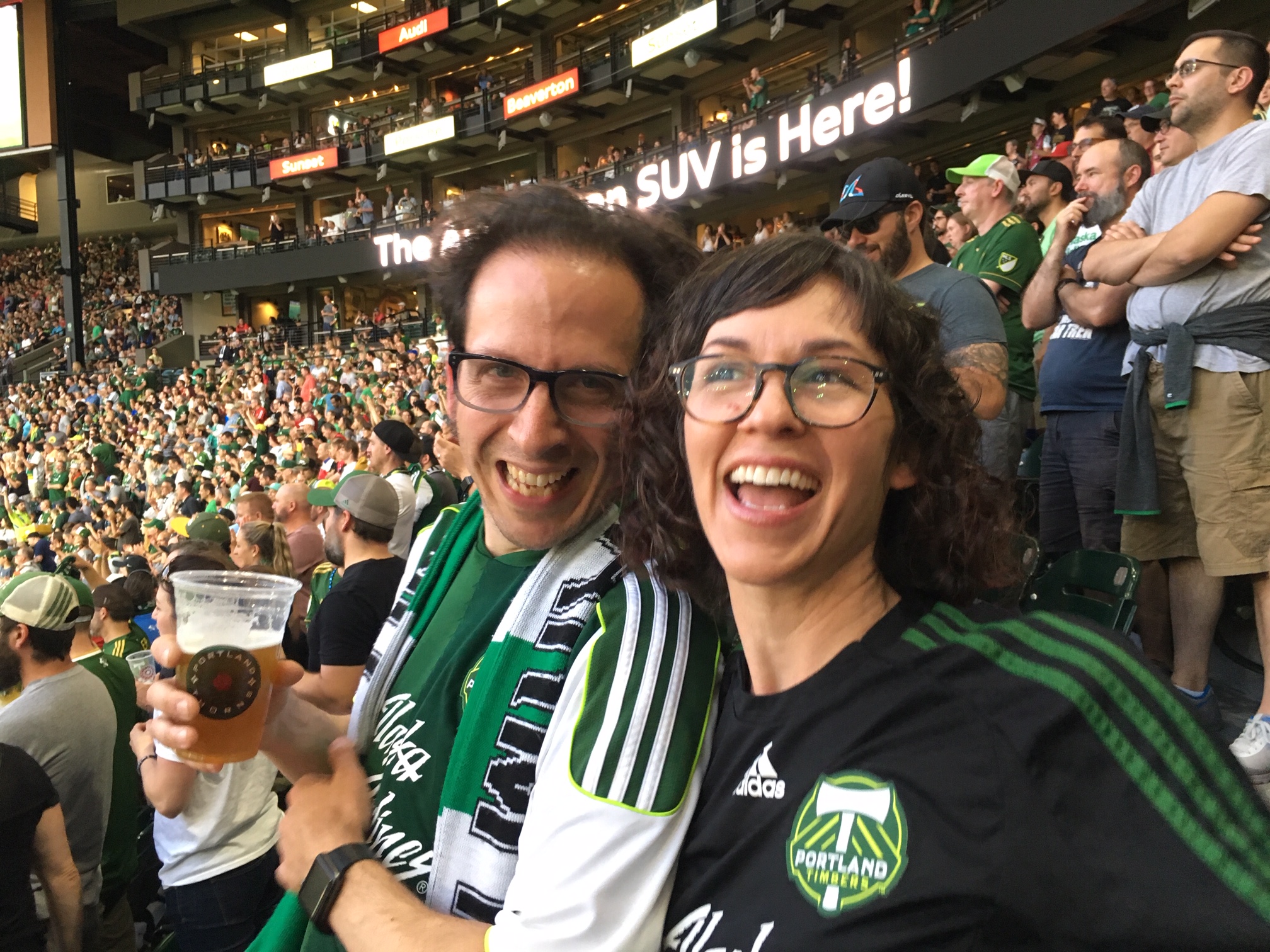
Thanks Gail for the interview.  We miss you in Portland.  Go Timbers!

Ed loves futbol!

an interview with kevin alvir!

Photo courtesy of Kevin

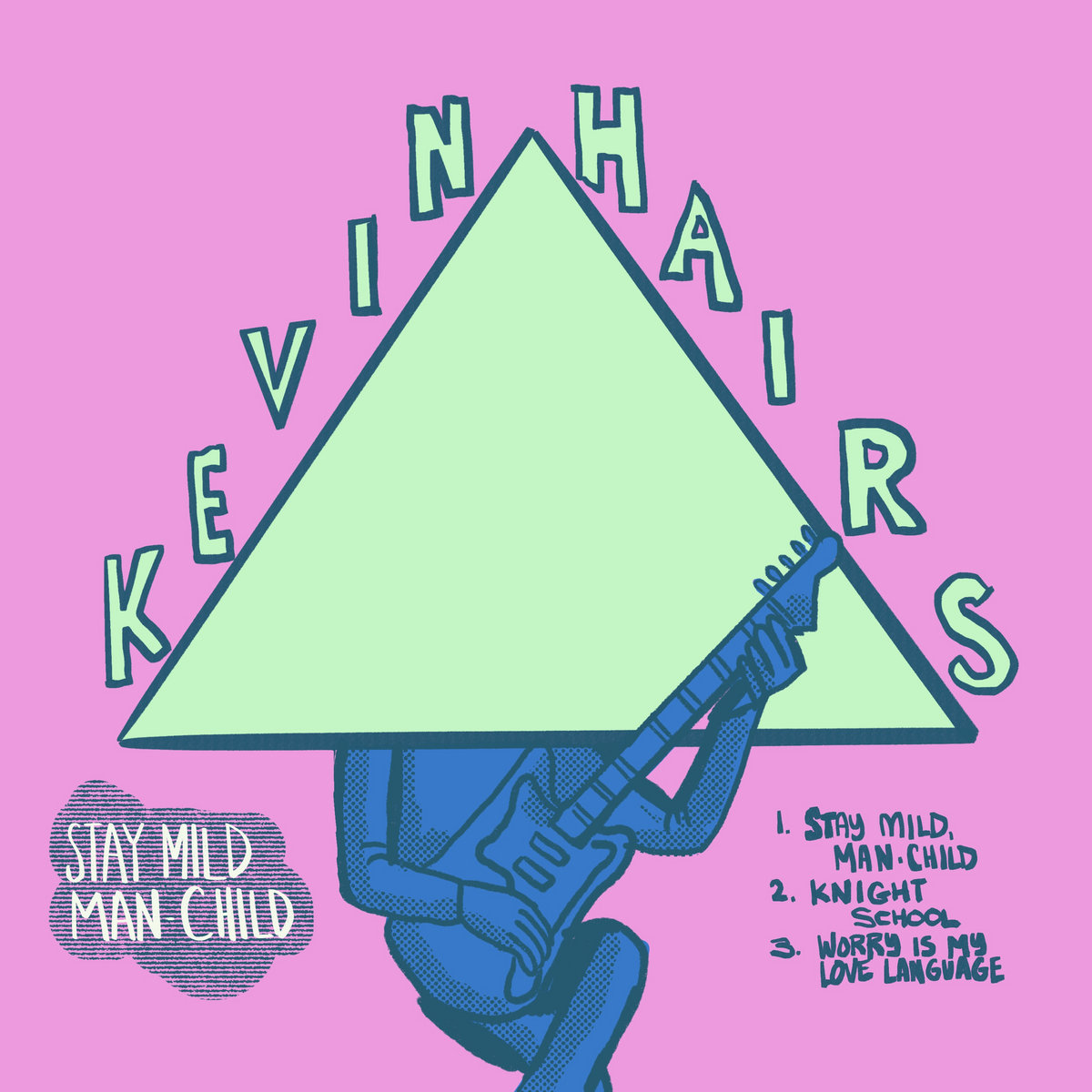
He’s an indiepop guy (Kevin Hairs), an illustrator, a comic artist, an art teacher, and an apprentice spiritual medium! Meet Kevin Alvir, who lives in Brooklyn and is awesome. 

Chickfactor: How are you holding up during crazy COVIDtime? 
Kevin Alvir: Gail! I’m good—thanks for asking. I never thought I would handle a pandemic so calmly. I would say I’m an anxious sort definitely before 2020 and to live in times of turbulence… I seem to thrive. haha. Certainly last year (2020) was really bonkers and waking up to what an insane world this is…. that is quite sobering. 

art by Kevin Alvir

What did you learn about yourself during this time? 
I definitely thought about where my time and energy went to. The frantic commute energy, the workplace energy, the socialization energy. I’ve discovered my spiritual side, which surprises me. 

What kind of changes did you make to your home/workspace/etc?
Living in NY, at home I feel like a tourist. (paraphrase Gang of Four) So my apartment was pretty bare. Now that I’ve been living in it with my bf, we’ve spruced it up with artwork and plants. Comfier furniture. Better drawing desk in my office. It’s a real nice place to be. Now I love it. I do have a similar “frenetic commute energy” when I have to go to the next room for a zoom lesson.

art by Kevin Alvir

Tell us about your latest release on Bandcamp. Is it also on CD/vinyl/tape?
I just put out a new Kevin Hairs 3-song single called “Stay Mild, Man Child” and a couple months ago I put out an album called Dad of the Universe. It’s just digital. I’d rather not make more consumables with plastic and tapes and stuff. I don’t think I’m that kinda artist. I just like having music digital now. BUT… about the music, I felt like I had a shift in thought about making music. The songs I make kind of feel like my poems and cartoons with a janglepop background. They certainly retain my sense of humor. Some friends tell me that listening to my music makes them feel like they’re actually hanging out with me. So that’s kinda what my music is like. haha.

New! on Bandcamp

What are you missing the most during this time? 
I miss seeing so many friends. I miss restaurants. I miss the ease of going outside. There’s this layer of fear (a bigger one) added onto going out. I miss the community aspect of things. 

How differently do you see your home now that you’ve been spending more time there?
I love it. I would think about how in zoom calls, I am still able to retain my identity. To be more clear, like when I would go to work or see my therapist, I always felt like I would have to adapt to the workplace and or my shrink’s office. Always feeling at the mercy of other people. If that makes sense.

Where did you grow up? Where all have you lived?
I grew up in Northern Virginia suburb Annandale, close to Washington, D.C. I went to college in Richmond (VCU), lived in Philadelphia for a couple years, and then just loved being in Brooklyn for over a decade. 

Drawing by Kevin Alvir, from Fanboy Memoirs

What were you like as a teen?
As a teen, haha. I was definitely troubled. Repressed gay youth in the suburbs. Since I felt so alienated, I just got really into whatever turned me on (musically). So I was a total fanboy about music, starting with the local Arlington music scene — Teen-Beat, Simple Machines, Dischord. Teen-Beat really resonated with me. But you know, I think I dressed like a freak… and was kinda dour haha but also really funny and sarcastic…only to hide my anger/vulnerability. haha.

What was your first concert? 
Technically, the first concert I went to was Ocean Blue & Marshall Crenshaw. I appreciate both artists now. My oldest brother is a Crenshaw head. I just wanted to see the Ocean Blue bc they had a video on MTV at the time making the rounds. “Sublime.” Not exactly a fan although I toured with them a lil 10 years after that. 

Drawing by Kevin Alvir, from Fanboy Memoirs

First record you bought?
When I was 12 years old, I used my Xmas money to buy Julie (comedienne) Brown’s Trapped in the Body of a White Girl but what REALLY counted was Electropura by Yo La Tengo. I remember putting down $14 cash for that CD and how weird and esoteric it seemed. 

When did you write your first song and what was it about?
I was 19 I think. I wrote a song called “Pet Rock.” I was inspired by the Tall Dwarfs musically. Lyrically, I was inspired to speak from a POV of someone not wanting to be taken for a ride or abused… but it was cute.. and sounded … ehhh. I’d rather not hear it. haha.

What bands you have been in?
I always had a band… of some making. I had a band called the Lil Hospital, Knight School, The Hairs, and well now it’s my solo thing: Kevin Hairs. I’ve helped out in other bands: Sprites, Basic Plumbing (Patrick Doyle of Veronica Falls band), BMX Bandits (played 4 shows in the Bandits).

Drawing by Kevin Alvir, from Fanboy Memoirs

What is your day job?
My day job??? Hrrrm, kinda piecing it together. I was working for a tech company doing office manager stuff. Moonlighting doing my illustration work when it came in (sporadically). However, I got let go from said job at the start of the pandemic. But thankfully, I’ve had a lot of commissions to do: Logos, Spot Illustrations, Portraits, Pet Portraits, Album Covers, Animations. I also teach art to kids over Zoom, which I love and avoided doing for so long. I want more students. And this is kinda controversial, but I am an apprentice Spirit Medium. I’ve been taking classes and developing my ability. One hour of meditation a day. I talk to the dead and communicate messages to loved ones. Not everyone likes hearing about it. It scares people and it’s out there. But it’s very real to me. 

What neighborhood do you live in? Best and worst things about it? Top haunts?
I live in Crown Heights in Brooklyn. Midland-Brooklyn. Best thing: the apartments are so spacious. I have so much room. The food is diverse in the neighborhood, which is great. The Ryerson is a restaurant down the street from me. Their food is the best and the music they play is always up my alley. Some jangle, fuzz jams. Bars are hard for me. I don’t really like to drink and bars are always so loud. 

What are the best bands in Brooklyn these days? 
Pale Lights / Love Burns, Jeanines, Nice Try / Racecar, Frankie Cosmos are my personal faves.

Drawing by Kevin Alvir, from Fanboy Memoirs

Tell us how Fanboy Memoirs came about?
Fanboy Memoirs started when I just did a lil’ cartoon of teenaged me watching Cat Power for my instagram. People responded and wanted me to do more of them. I have so many stories of talking to “so and so” before or after the show. I just wanted to be making music and living that life. But yeah, I met Stephin Merritt as a teen. He was flirty. David Berman was just the kindest soul. Jennifer Herrema was intimidating but sweet. 

Do you still do portraits by commission?  
I still do!! Yep. I advertise it on my socials. Mainly on that hellhole platform Facebook – but I’m always open. I feel like I’d do another one of you, Gail. I feel like I’ve gotten better at my portraits since. But people can follow me on Instagram and see my work and message me. 

Illustration by Kevin Alvir

Have you thought of cashing in on the NFT craze?
I did set up some NFTs with my friend Ivan. I have a mistrust of it. Get Rich Quick schemes really turn me off. But I did set some up. I haven’t heard anything about them. So still not *life-changingly rich* haha.

What’s your sign?
LIBRA through and through. haha.

Who do you have a crush on?
The woman who played Anathema Device in Good Omens. Comedians John Early & Kate Berlant, Any Australian in music is so charming (haha), Will Schwartz from Imperial Teen. Crushes went from “Oh I bet they’re into cool stuff” to… “Oh my god, there’s something about them that I just want to be their best friend.”

What are you reading/watching/eating?
Reading: a lot of Manga. Astro Boy & other works by Osamu Tezuka. Stan Sakai’s Usagi Yojimbo. Dolores Cannon (fringey mystic hypnotherapist). Spirit Medium books.

Watching: Barry (HBO), Search Party, Arrested Development, Ranma 1/2.

Eating: I am on the Keto diet now (like every gay guy in NYC). So I just eat cheese, salmon and salad. I feel great. But I miss donuts.

Drawing by Kevin Alvir, from Fanboy Memoirs

What can you not wait to do as soon as everything reopens? 
I am excited for small club shows. Music performances. But I also want to nurture all the online communities and friends I’ve made too. 

Any other plans for the future? 
I’m doing a Young Adult graphic novel, and I’m so excited. It’s a definitive version of my Lisa Cheese webcomic with a bigger story. AND becoming a working Spirit Medium. I need to practice. So if anyone’s interested…
Thanks, Kevin! CF
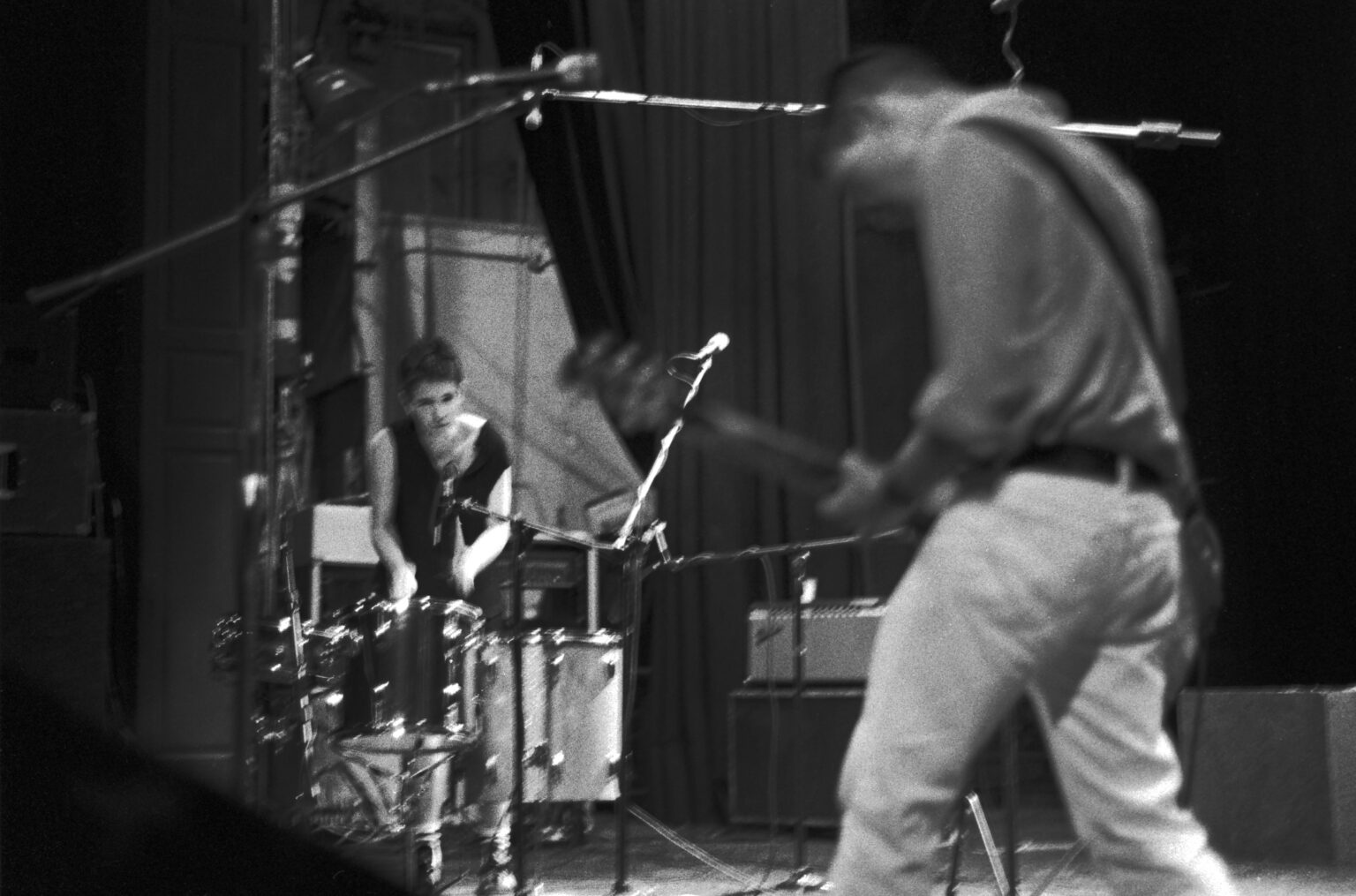
Records Kevin cannot live without!
1) The Aislers Set, The Last Match
2) Sportsguitar, Married, 3 kids
3) Yo La Tengo, Electropura
4) Teenage Fanclub, Bandwagonesque
5) Apples in Stereo, Fun trick noisemaker
6) Television Personalities, And don’t the kids just love it
7) Pastels, Truckload of trouble
8) Bats, Daddy’s Highway
9) Guided by Voices, Alien Lanes
10) Stereolab, Emperor Tomato Ketchup

Drawing by Kevin Alvir, from Fanboy Memoirs

Enchanté!

We are super-excited to announce that our catalog will be on Bandcamp starting Friday, April 2. Enchanté Records released five records from 1994 to 2002 and they are all up there (with a few songs missing from the comp). Plus, we are going to eventually find the CDs and make those available too. (No Spotify, no Amazon, just Bandcamp, the most artist-friendly platform!). We will also be releasing new music in the coming months and years. Check the site on Friday for more information!

1. Containe, I Want It All (Enchanté 1, 1994)

2. Containe, Only Cowards Walk Like Cowards (Enchanté 2, 1996)

3. The Pacific Ocean, Birds Don’t Think They’re Flying (Enchanté 3, 1997)

4. The Pacific Ocean, Less Than the Needle, More Than the Shotgun (Enchanté 4, 2000)

5. Various Artists, All’s Fair in Love and chickfactor: cf mixtape 1 (Enchanté 5, 2002)

an interview with corvair’s heather larimer

Heather and Brian = Corvair

Last month Portland, Oregon’s Corvair released their wonderful debut album on the very fine WIAIWYA label out of London. The band is couple Brian Naubert and Heather Larimer, along with drummer Eric Eagle on the album. CF folks know Heather from her (John Peel approved!) band Eux Autres, whose music was used in TV shows and commercials as well. She’s also played on other folks’ record, including the Minus Five and Stephen Malkmus. Brian has played in loads of bands including Tube Top, the Service Providers and (solo as) Hoffabus. They’ve also created jingles! We caught up with Heather to see how she and Brian have been faring during this very weird era. 
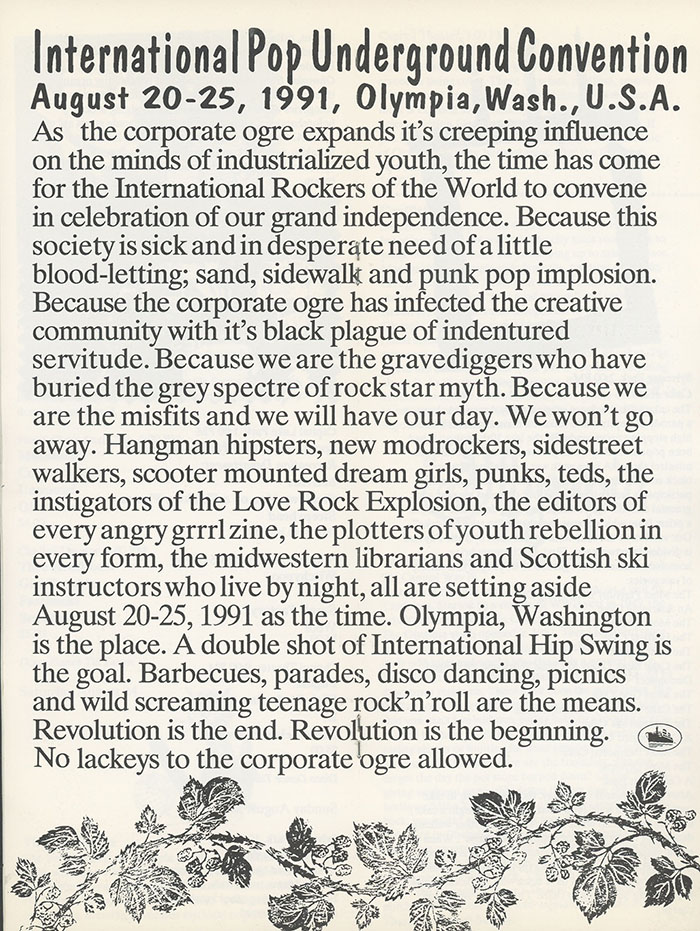
Interview by Gail O’Hara

Heather on drums in Eux Autres

Chickfactor: How have you guys been holding up during COVIDtime? 
Heather Larimer: We are doing really well, actually. We had already basic tracked our record so once we went into lockdown, we were able to focus a ton on building up the record and playing around with ideas. We went through a lot of wine and candles trying to make quarantining a little less apocalyptic feeling. Having a project was so good for us. We would have lost our shit otherwise. 

When did Corvair begin? 
We started writing the record about two years ago, not knowing exactly what the project was, just that we were collaborating. It’s funny how obvious it seems to us now—and it’s weird we didn’t try it a lot earlier.

Tell us about your nautical theme / water obsession on the new one.
I guess there’s the obvious Jungian stuff, water as the unconscious. And then I think because Brian and I imprinted on each other when we were very young and then went our separate ways and reconnected, it’s really made both of us question what is volition and what is much deeper or older than our superficial daily “choices.” So this record is in so many ways Brian and I retrieving stuff from the deep—including our own painful early history together and the dark time that ensued when we tried to build lives apart that kind of collapsed. And then, his family is old-school Northwest people. S’Klallam tribe from Port Townsend and early settlers of the port town of Tacoma. But then there’s just the more associative and light parts, which were that we rented a cabin in Oceanside Oregon to go write songs and everything came together. We found all these sea creatures, which ended up being our album art. And we wrote a song about hope and added the words “Oceansided” at the end, because what does that even mean? And then we drove to “Cape Disappointment,” which is the best place name ever because some of the most instructive times in my life were when I miraculously got what I wanted and blam!—be careful what you wish for. This idea about finding land and with it, salvation and then…oh shit. So, we were both really feeling the symbolism and murky depth of the water stuff and we just ran with it. Plus, for videos it was pandemic-friendly—all we needed was a car and a camera. 

The wee Heather with her violin; photograph courtesy of Heather

How old were you when you started playing music? 
I started playing Sukuzi violin when I was about 6 and played until I was 14, and then I dabbled very lightly in bass and tambourine (haha!) and then when I was 28 I learned to play the drums and my brother and I started a band about a year later. I thought I was too old to start a band at the time. Ridiculous.

When did you write your first song? What was it about? 
Weirdly, Brian hung the lyrics to my first song on the wall of our studio.  When I was 4, my dad typed up my song lyrics and later framed them once I was making music. I had forgotten all about it until Brian found them in the basement. The song is called “She’ll Never Let Me Play” and it’s about my mom, and my friendship with squirrels. It seems all cute at first but then it turns into a Steve Miller time-traveling diss track.   

Early song lyrics by Heather

What were you like as a teenager? 
Very confused. I loved punk rock music like Hüsker Dü and the Replacements but I also hot-rolled my hair and wore, like, striped turtlenecks and scrunchies. It makes me laugh that I was too scared to play in a band or be in drama, because it’s obviously where I would have been happiest. I always sang in school even though I was never picked for the elite singing groups because I wasn’t showy or polished enough. I just cried bitterly into my scrunchie. But I’m like a cockroach. I come crawling BACK stronger!

Do you have kids or pets? 
I have two young sons, which is a trip, but they’re unbelievably sweet and weird. And a boy dog, a disturbingly muscular lab. Plus, Brian my husband slash bandmate. My house is a total sausage fest.

What else do you guys like to do besides making music? 
I like to write and read. And power lift. And travel. And snuggle the shit out of the kids and have movie nights. And then, Brian is one of the most well-traveled people I know, a great photographer and he loves to garden. That is the one activity I will never join him in. To me, gardening is a nightmare trifecta of tedium, dirt, and solar irradiation. 

Heather on drums; photograph by Joey Hippopotamus

Your previous band was inducted into the Indiepop Hall of Fame recently. Tell us about that. 
That was such a thrill. I love that Eux Autres still matters to people. And that the song was “Other Girls,” which was the first or second song that Nick and I wrote together. We got to pick a location for our virtual commemorative plaque, and we chose Omaha’s Sokol Hall, which was an amazing place in our hometown that hosted bingo, gymnastics, polka lessons and all-ages punk-rock shows. I love Omaha so much.

via @IndieHallOfFame on Twitter!

Can you cook? What is your specialty? What’s in the fridge? 
I am a pretty dang good cook but I’m not very improvisational. I get uptight about the recipe. My best friend is the best cook I’ve ever known—she’s a food entrepreneur—so I always feel like a fool next to her. But she’s taught me some great stuff, just by virtue of the fact that she’s been feeding me for decades. And my mom and sister-in-law are also killer cooks. There’s always a lot of asparagus in our fridge for some reason. It’s so easy and toothsome. And pork. It’s the Other White Meat. Brian cooks a lot of brown rice and vegetable stir-fries that are great healthy staples; he’s a bold weekday improviser. I take us to the dark side of the fridge on the weekends.

Brian and Heather; photograph courtesy of Corvair

What are your favorite Portland food carts and other spots? 
We are utterly obsessed with Robo Taco’s al pastor anything. Before COVID, it was our Friday night jam. We also love this place called Master Kong. And then Tusk is amazing, and all of Jon Taboada and Giovanna Parolari’s places—Navarre, Luce and Angel Face. Our hot date is always Laurelhurst Market because we like sitting at the bar and eating steak.

What else is in the pipeline? 
We are going to record again in May, and we are so excited and nervous now that we have actual expectations, as opposed to last time when we were making it up as we went along. 

What is Portland looking like at the moment? 
Portland is pretty devastated all around. The houselessness is like nothing I’ve ever seen. There’s graffiti on every surface city wide. And I’m so worried about the restaurant and food community, they are the heart of Portland. I have no idea what this city will look like in 12 months, but we are committed to staying here for a while. CF

10 Records Heather Cannot Live Without
Guided By Voices, Alien Lanes
Liz Phair, Exile in Guyville
The Replacements, Let It Be
The Kinks, Village Green Preservation Society
The Cars, The Cars
John Lennon and Yoko Ono, Double Fantasy
Built to Spill, Perfect from Now On
The Bee Gees 1st
New Order, Substance
Cat Power, Moon Pix

Corvair
A Corvair!

catching up with daily song generator jessica griffin from the would-be-goods

Jessica Griffin from the Would-Be-Goods in London, 2001. Taken by Gail O’Hara

chickfactor 13 (2000) published an interview with Jessica Griffin from the Would-Be-Goods 21 years ago conducted by Peter Momtchiloff, who ended up joining her band, which also features Deborah Greensmith and Andy Warren. I took a lot of photographs of them while I lived in London (2001 and 2004) that have ended up on their album covers, and the WBGs have played at many chickfactor parties. While some of us haven’t been able to focus or achieve our creative potential during COVIDtime, Jessica has become rather prolific. We checked in with her about how it’s going. Interview by Gail O’Hara

chickfactor: how are you holding up? 
jessica griffin: Fairly well, although my dreams are much more vivid than usual which must mean I’m more stressed out than I think. 

How different is your life under lockdown than it was before?
In some ways, very different. Peter (my partner and fellow Would-be-good) has been staying with me since it all began, and I’ve got into a different routine, cooking twice a day (except at weekends) and writing and recording songs daily.

What has been getting you through this time? Books, food, etc. 
Peter’s company, Zoom chats with friends and songwriting. I’m too restless to read much these days, although when I’m feeling anxious I devour 20th-century detective fiction. We’ve been watching the short Cocktails with a Curator talks from the Frick Collection and old black-and-white British films, e.g. Spring In Park Lane, Cast A Dark Shadow. I’ve always cooked regularly but food seems much more important now. We have a proper lunch every day which is quite old-fashioned (and French!) and I’ve expanded my repertoire quite a bit.
I find cooking very calming.

Jessica performing at the Luminaire; photo courtesy of Jessica

What do you miss most about beforetimes? 
Friends and family. I haven’t seen my (grown-up) daughter for over a year as she lives in another city. She’s very Victorian and doesn’t do FaceTime/Zoom. And I really miss my almost-daily lunches at a wonderful local cookery bookshop/café run by an eccentric Frenchman. 

How has London changed since this happened? For better or worse.
I haven’t been further than a mile from home since March 2020 so I can only talk about my own part of west London. In the first lockdown, with almost no traffic and very few people around, you could smell the grass and flowers in the gardens and parks. 

Seeing so many local shops, restaurants and cafés go out of business is heartbreaking, though. 

Can Brexit be reversed? 
Probably not in our generation. I think it’s a huge mistake.

Let’s talk about your new songs! When did you start writing one song per day? And how many are you up to now?
2 October 2020. I thought it would be good to have a creative project as I was slowly turning into my grandmother. I’ve written 157 songs so far. 

How has Peter been involved in the process if at all? 
My idea was to treat songwriting like a game or challenge, so I asked Peter to give me a title every evening. I would write and record the song the following day and play him the result. It’s worked for me in the way nothing else has. Sitting around waiting for the muse never got me anywhere. I should say that Peter doesn’t have any preconception of what the song should be about, or how it should sound. He just gives me a title and that’s it. Sometimes I will change the title retrospectively if I think it suits the song better.

Otherwise it’s a solo project — I do all the singing, play all the instruments (apart from bass on a few songs) and recording.  

What have you learned about yourself as a songwriter, a musician and a home-recorder since you started doing this? 
I’ve learned not to be so precious about songwriting and to treat it like a job that I have to get on with every day, whether I feel like it or not. It’s helped me to override my perfectionist tendencies as I have to finish the song by the end of the day and play it to Peter even if I’m not happy with it. And I’ve learned that I can’t trust my own judgement, at least my first impressions. Sometimes I’ll think a song I’ve just written is rubbish but when I listen to it again a few days later I like it. And vice versa. My singing, guitar and keyboard playing were quite rusty at the beginning but they’re improving. And being in charge of the recording process means I can do as many retakes as I want, which has helped me to sort out some things I didn’t like about my singing. 

Jessica and Peter in London, 2001. Photo by Gail O’Hara

Can you give us some details about some of the songs? Titles/subject/etc. 
“Ouija Board Romance” is set in a provincial English town in the 1920s and is about a housemaid being invited to join a séance hosted by her employer, and the unexpected result. “The Magic Hour” is about a suicide pact between a spoiled young man and an older courtesan in a hotel in Khartoum in the siege of 1884. “The Wind Will Change” is about a drifter in 1940s America, written from the perspective of a woman or girl who loves him but knows he’s not going to be around for very long. “Demon Lover” is the story of the ‘damsel with the dulcimer’ in Coleridge’s poem “Kubla Khan,” who is outraged that she’s been spirited away from her loom in rural Devon and abandoned in the dark cavern of the poet’s imagination. And finally, “Cavanagh, Cody and Byrne” is about a mysterious vaudeville act that might actually be something much bigger.

I don’t know where these ideas and characters come from. I always wanted to be a writer or film director so maybe these are the novels I would have written or the films I’d have made, compressed into song form. I can picture the characters and their settings in detail and I know who would play the couple in “The Magic Hour” – Omar Sharif and Jeanne Moreau. I’ve also written some songs about universal experiences and situations with quite simple lyrics which aren’t like anything I’ve written before. 

And some songs in recognisable styles but from a female perspective, like “In The Mirror” which sounds like an angsty early Who song but is about being a young woman, having to be what other people want you to be and being able to be yourself only when you’re alone.

Do you have any rituals or unusual holidays that you celebrate? 
My daughter said at age six that she thought it was unfair that we had Mother’s Day and Father’s Day but no Daughter’s Day so we instituted it and I send her a hand-made card and a little present every year.

What are you reading? 
I started reading Victor Hugo’s Les Miserables and Rachel Cusk’s Transit but am finding I can’t concentrate for long.

What is in your fridge? What is your specialty to make?
The usual stuff, plus Thai green curry paste, tahini, fresh ginger, kefir. We’re eating very healthily—everything cooked from scratch, lots of vegetables, etc., but possibly a little too much of everything. Irish soda bread (Darina Allen’s recipe) is my lockdown speciality. I make it with spelt flour which gives it a kind of soft sweetness like English scones.   

If you were running the country (or the world), what would you do first?
I would absolutely hate to be in a position of power and can’t even imagine it. Being the mother of a small child was challenging enough.

What is your sign? 
Cancer.

What is your spirit animal?
A rather small and motheaten bear. 

When we’re allowed total freedom, what will you do first?
Meet up with my sister and take her for the birthday lunch we had to cancel last year because of lockdown.

Any other future plans? Where and when will you release some tunes? 
I’ve just set up a page on Bandcamp where I’ll release some of my new songs very soon. Beyond that, I hope to finish the Would-be-goods album we were working on before lockdown and to start doing live shows again (if there are any venues left).

Thank you, Jessica