Last week marked the release of Debsey Wykes’ new book, Teenage Daydream: We Are the Girls Who Play in a Band, and we were lucky enough to publish an excerpt from it on our site. If you’re reading chickfactor, you probably already know that Debsey is one of the greatest living singers. In addition to forming Dolly Mixture with Rachel Bor and Hester Smith, she also sang with Saint Etienne and made fantastic music with Paul Kelly as Birdie. Here is a new interview with Debs about the book-writing process.
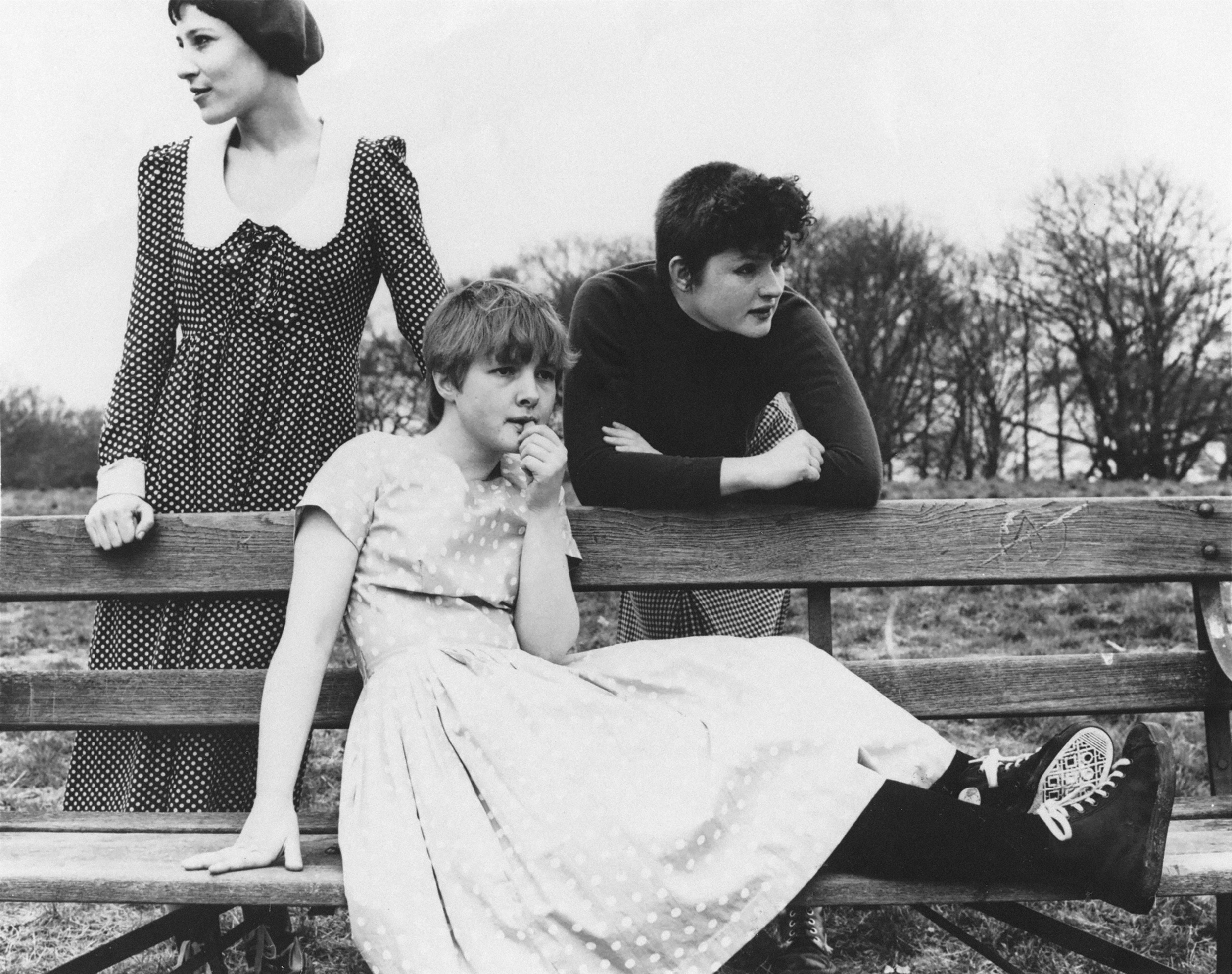
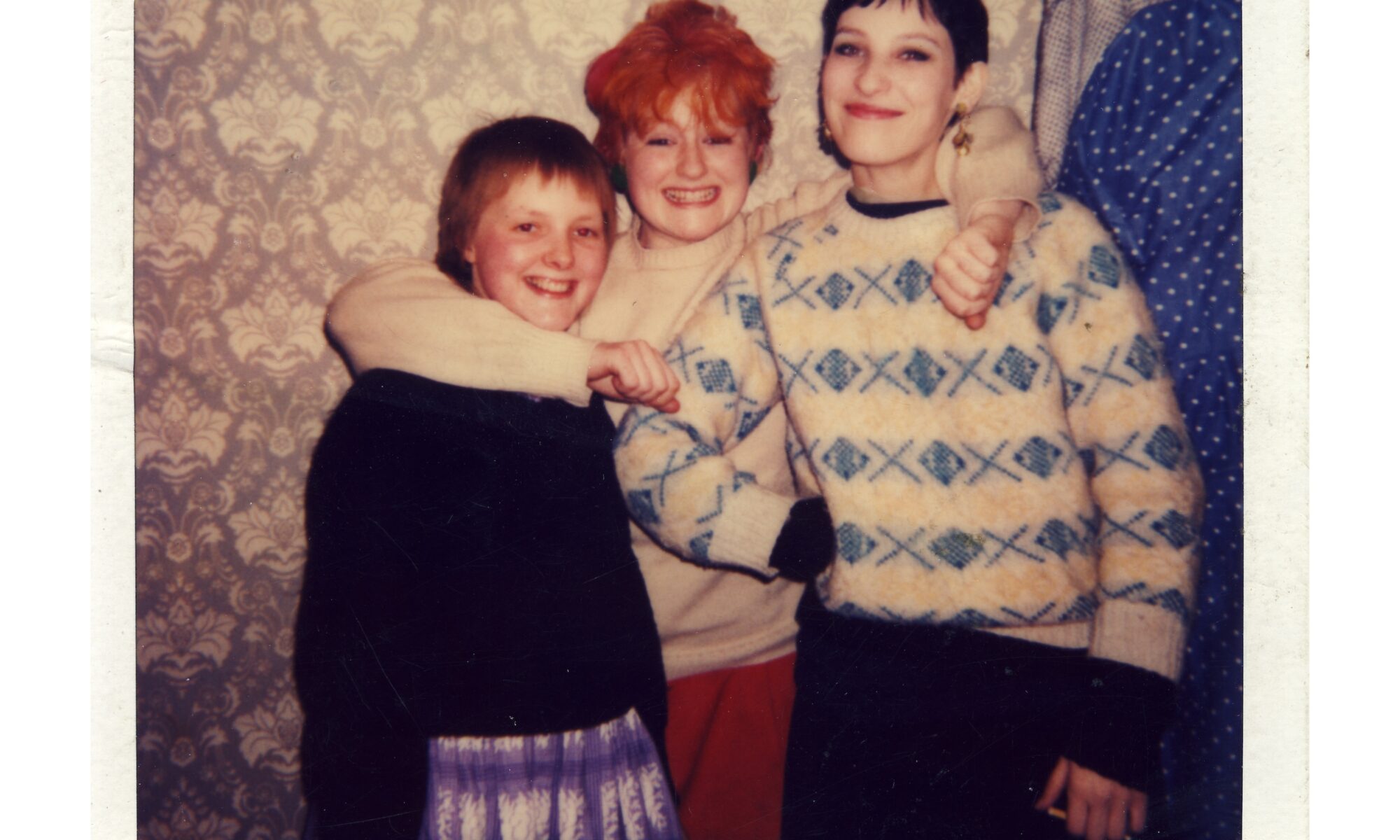
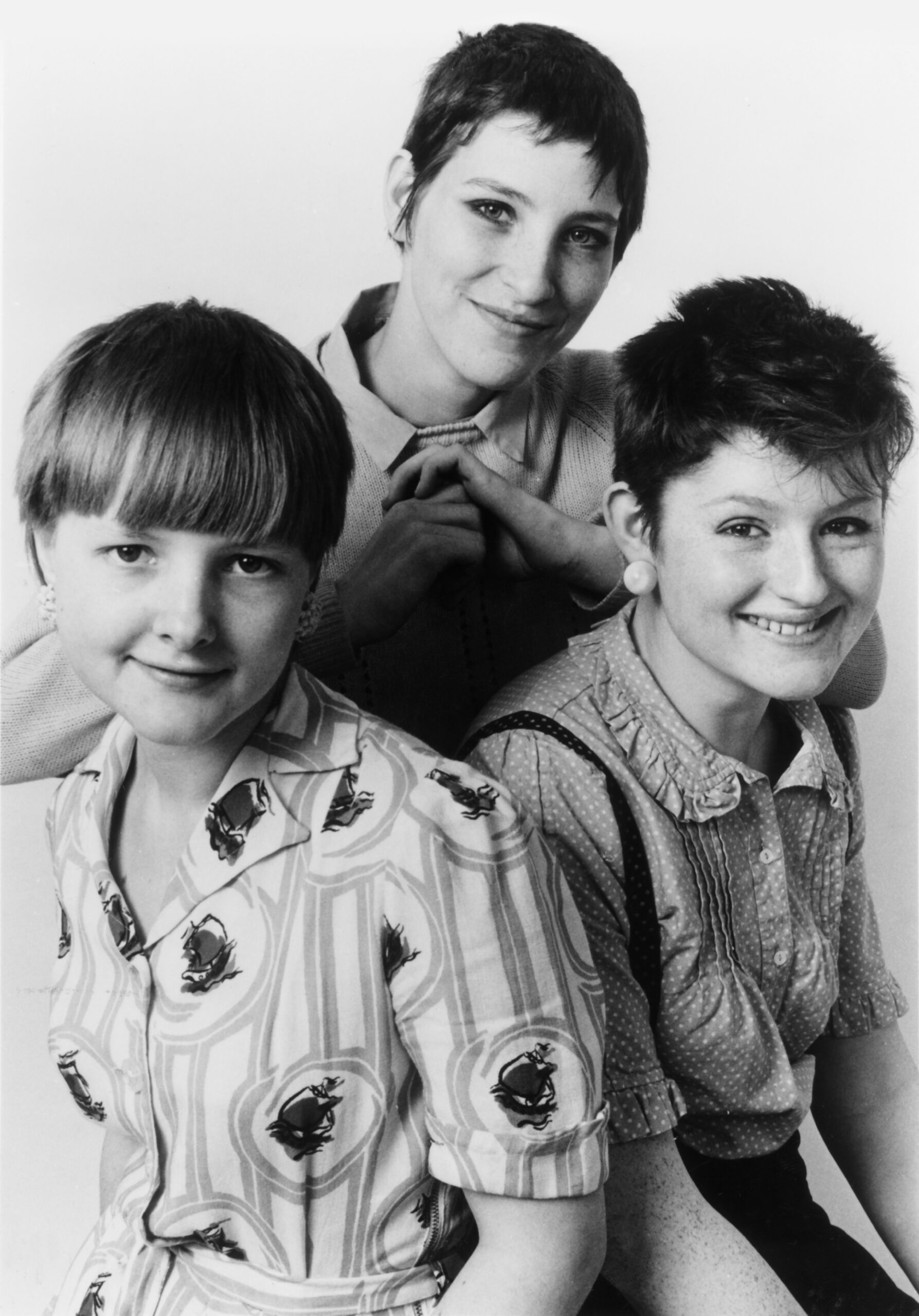
Dolly Mixture, 1982: Debsey, Hester and Rachel. Photo by Elizabeth Hollingsworth
chickfactor: What made you want to write a book/publish your diaries?
Debsey Wykes: When I was twelve years old, everyone in my class was given a copy of the Diary of Anne Frank to read. It was 1972 and the Second World War was still fairly recent history, especially for our parents who would constantly reference it, so the story felt fairly tangible and everyone was captivated. We all began our own diaries in earnest but I suspect most of the other girls gave up after a few weeks. I loved filling up notebooks and no doubt dreamt of one day being published. By the time we had formed Dolly Mixture the idea of sharing any part of my diaries would have been unthinkable!
It was only years later, as other people began to reference the band as an influence or ask me about the group, that I began to re-visit that part of my life. I had reached an age where I felt very strongly that I needed to try and make sense of my formative years. It was time to make sure we didn’t end up as a footnote in someone else’s story. Other female bands who had formed in our wake seemed to be getting a lot of attention and I was determined that we should not be overlooked.
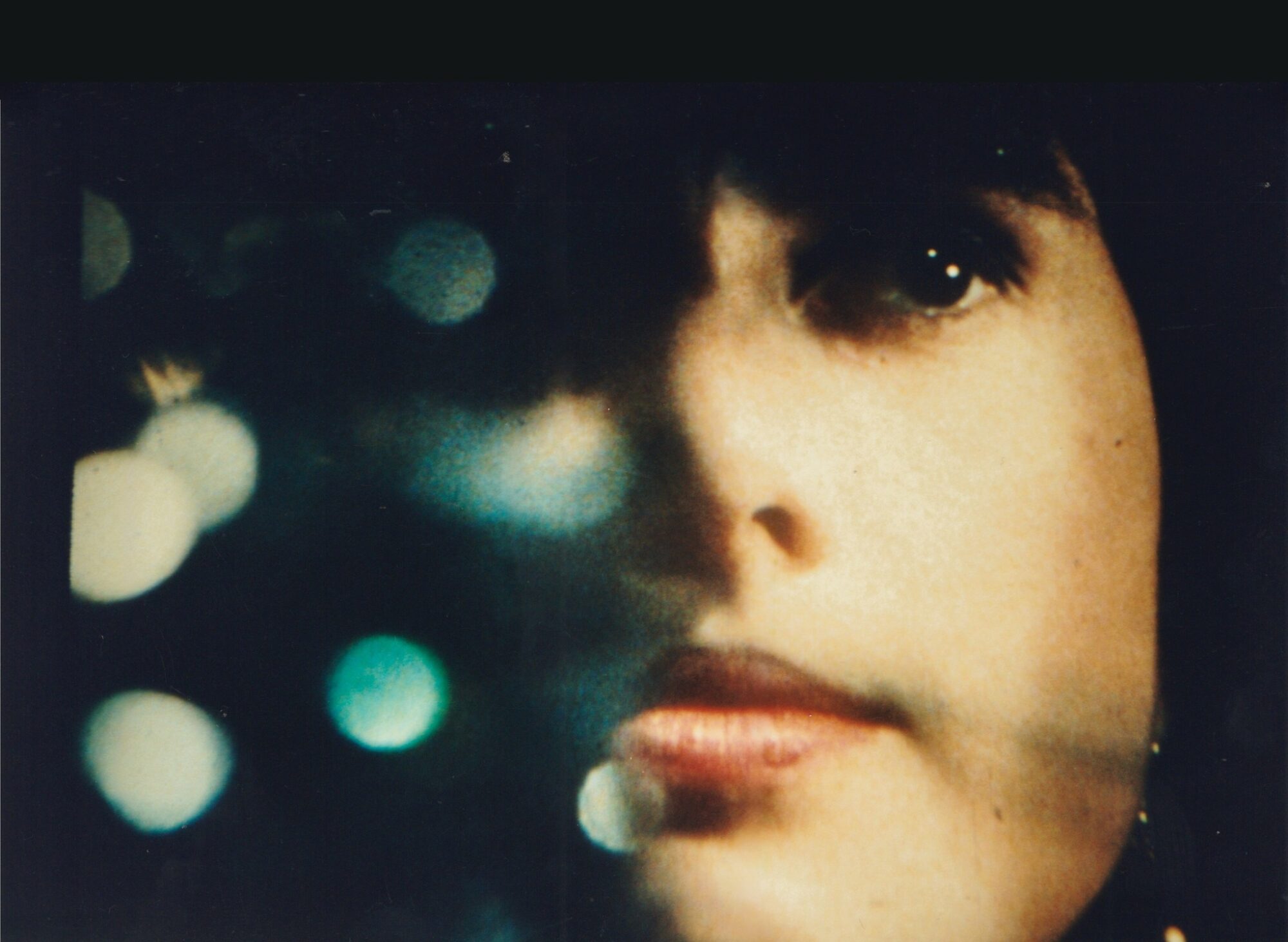
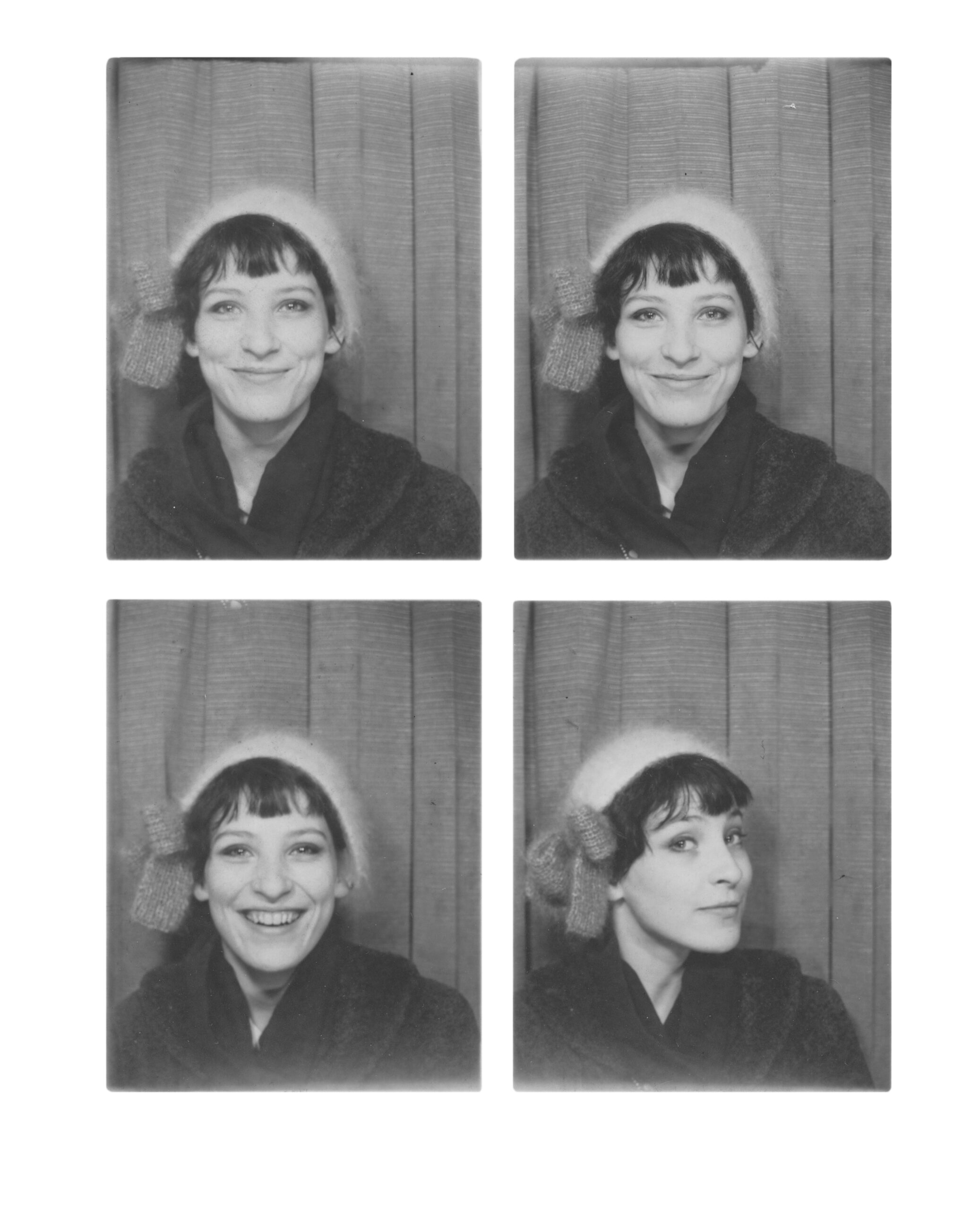
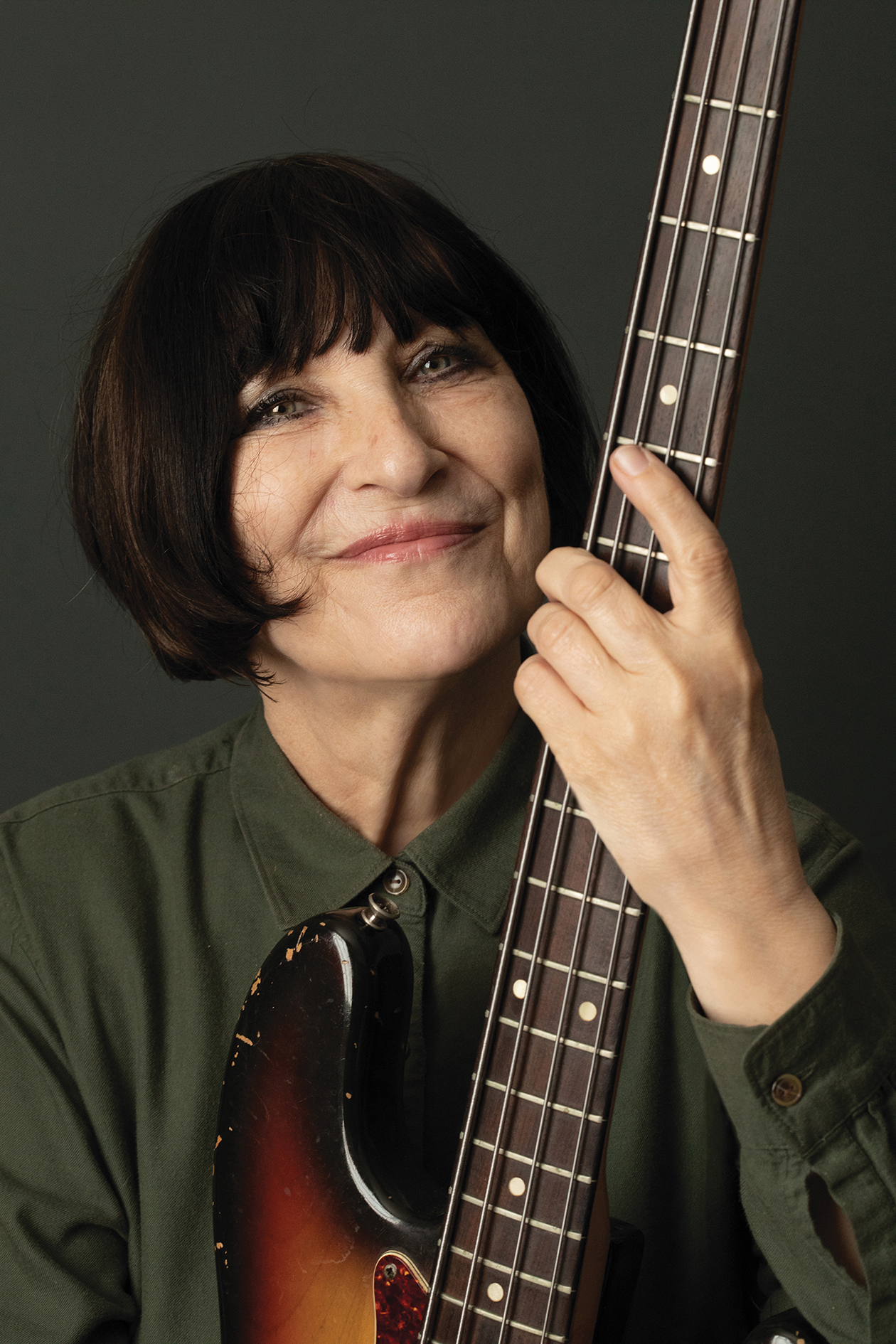
Debs by Paul Kelly
How did it make you feel to go back and read them when you first did?
Debsey: The diaries had been living in a battered old suitcase for years, and each time I moved house I would have to haul this ever expanding monster around with me, literally carrying around the baggage of my youth. I had never bothered to read them before but when I finally decided to write the book and confront my younger self I was often mortified! There were a couple of times I threw the diary against the wall in exasperation. Having already committed to the ‘project’ however, I decided to press on, and after cringing my way through endless stories about school, exams, parties, boys, gigs and arguments with my mother, I eventually began to accept that younger self.
What are some examples of how you might have remembered something differently from Rachel or Hester?
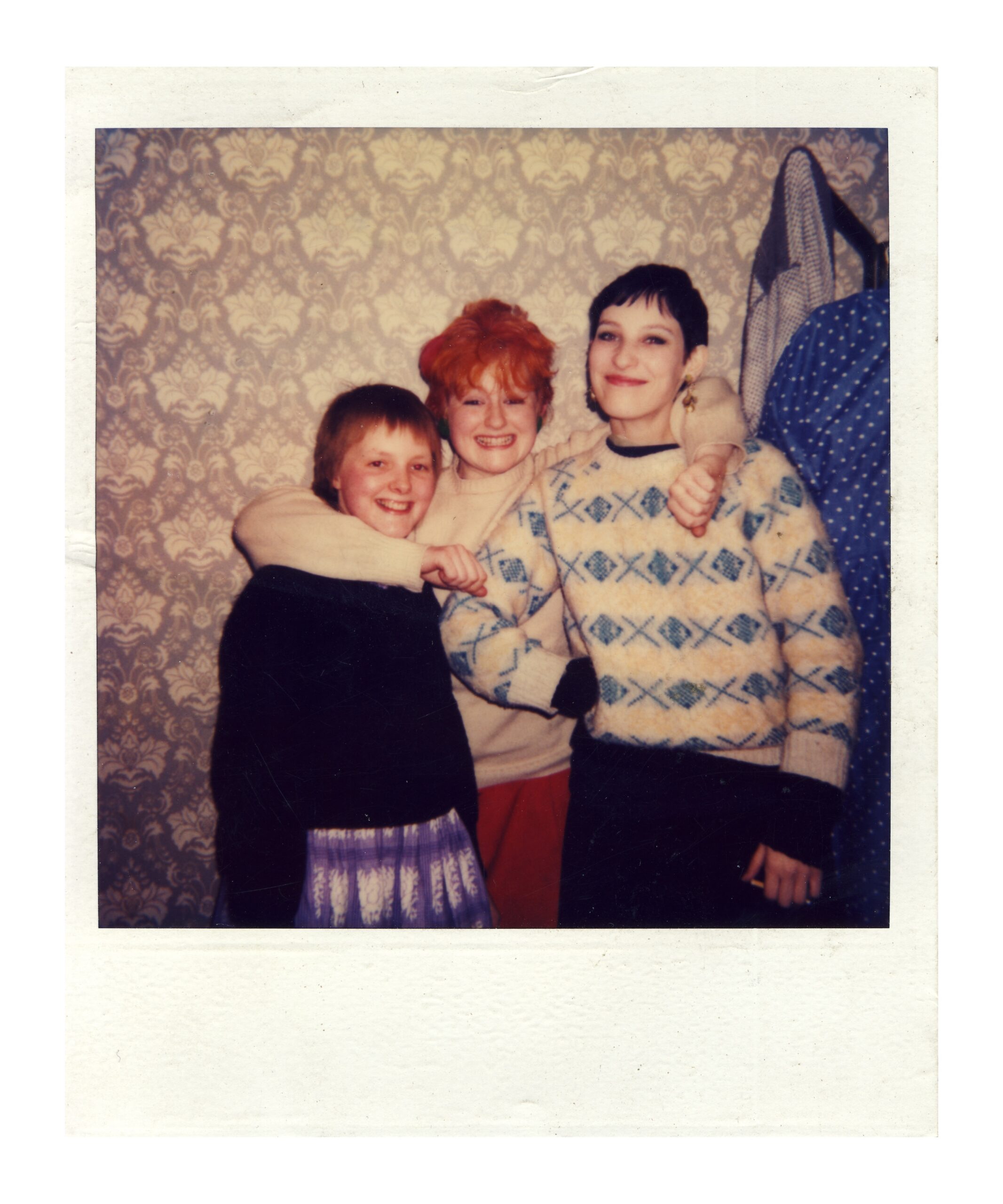
Debsey: I’m sure the three of us have completely different versions of the Dolly Mixture story. It’s a long time ago and we’re bound to see shared events from our own personal perspective. Luckily, for the book, I had the diaries to lean on and jog memories but some do fall between the pages. Several years ago I was chatting with Hester and Rachel about how we were lucky not to have been on the end of any physical harassment. We certainly faced a lot of verbal abuse and spitting but I felt we had managed to avoid too much lairy behaviour. Hester then pulled out a polaroid of the three of us – taken in the late 70s – grinning at the camera as a middle aged man attempts to grope me! It seems I must have blocked out some of the more unpleasant aspects of male behaviour while growing up in the late seventies and early eighties.
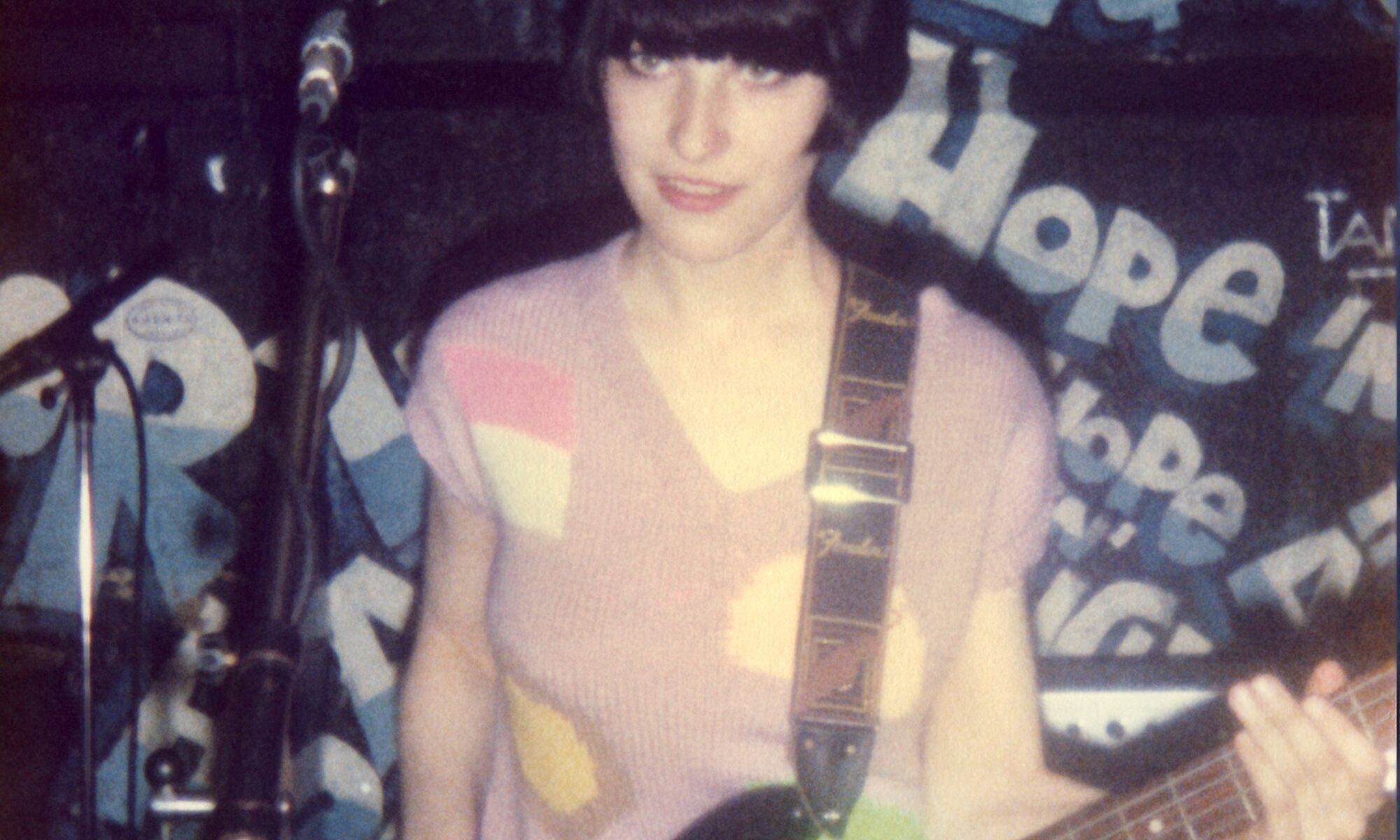
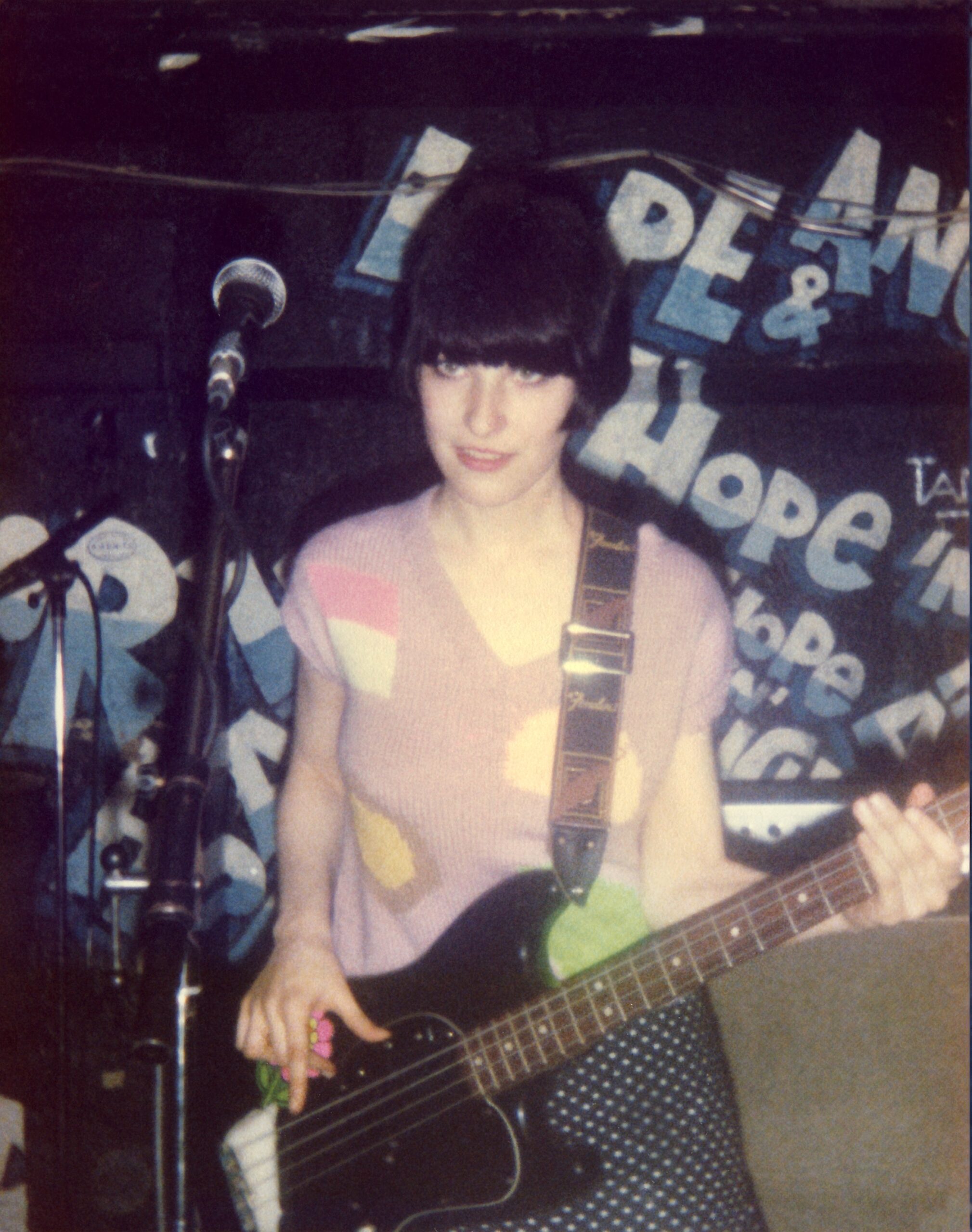
Debs at the Hope and Anchor, 1979, photo: Rich Gunter
What are some of the most meaningful connections you made back then? Lifelong friends?
Debsey: Almost everyone important in my life I have met through music. Bob Stanley and Pete Wiggs first came to see Dolly Mixture support Orange Juice in London in 1982 and instantly became fans. It was their love of Dolly Mixture that eventually led to me joining the Saint Etienne live set up where I met Paul and we formed our own band Birdie and ended up having children. Hester and Rachel are still two of my closest friends. Amongst others, I am still in contact with Captain Sensible, and some of our original fans. Over 40 years on, Dolly Mixture continues to bring us new fans and friends. It’s incredible to think the band can still have such a positive effect on our lives after all this time.
Anything you feel you may have left out of the book about your story?
Debsey: The original version of the book came in at about 120k words. The final version is around 90k so yes, some stories didn’t make it in but I think the book is probably better for it. From 1981 we were playing over 200 gigs a year and there are only so many times you can talk about touring without repeating yourself. If I started to write the book again now it would probably be completely different, the whole process has been so alien to me and in some ways this feels like a dry run. It’s just impossible to cram everything in, but I can always do another one!
How do you see the band’s legacy now?
Debsey: It would be nice to think that some young people completely unaware of the band might pick up the book or listen to the records and be inspired to do something themselves. I personally would have loved to read a story about an all girl band when I was a teenager.
Is the book available in the US and elsewhere outside the UK?
Debsey: Hopefully a US publisher will pick up the book and take it to a wider audience. At the moment it is available on import from Rough Trade and Monorail Music in Glasgow.
Will you be doing any events?
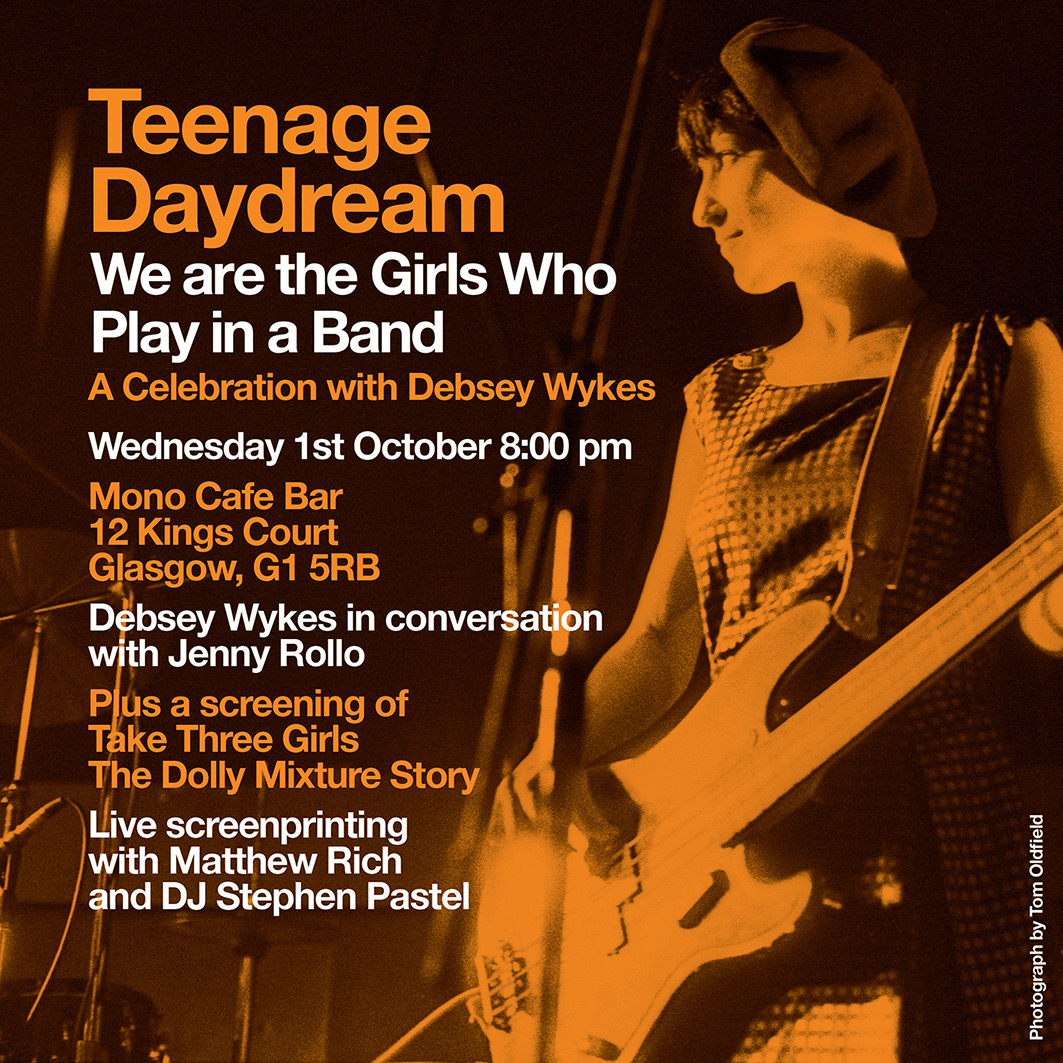
Debsey: As well as a couple of things in London, I’ve been invited to Monorail in Glasgow and will be in Manchester for the Louder than Words festival in November. I would love to have events in the States, Japan or Europe. In fact anywhere that will have me or we never managed to visit with the band.
Top ten records the Dolly Mixture were listening to while an active band
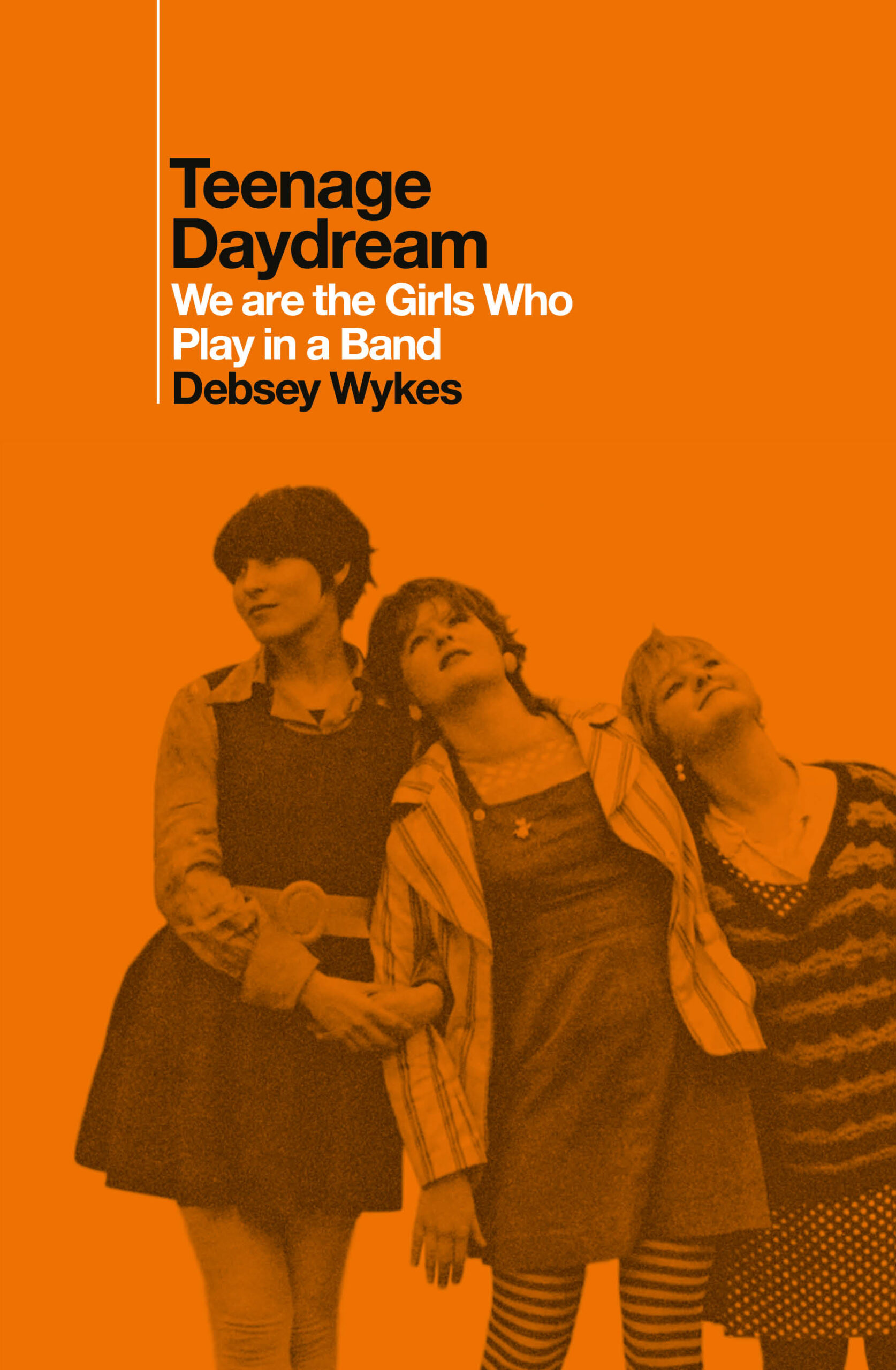
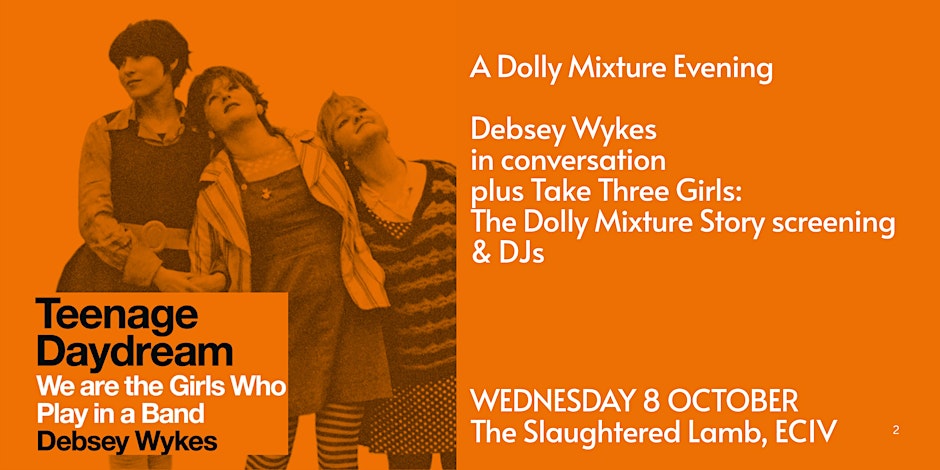
If you know us, you know we adore Debsey Wykes! So we are super-chuffed to present a brand-new excerpt from her book (out today!) Teenage Daydream: We are the Girls Who Play in a Band (New Modern, hardback, ebook, audio):
Debsey Wykes formed her first band Dolly Mixture in Cambridge in 1978 with friends Rachel Bor and Hester Smith while still at school. Championed by John Peel the girls were soon playing regularly in London where they attracted lots of attention from the music press and toured extensively for the next few years both as headliners and as support for groups including Dexy’s Midnight Runners, The Undertones, The Beat, Bad Manners and The Jam.
Debsey went onto greater prominence with Saint Etienne with whom she has performed since 1992, whilst in 2025, desirable Dolly Mixture reissues sell out around the world as quickly as they are printed.
She currently sings with her group Birdie and lives in London.
This excerpt is from Chapter 2: Fist-Fumbled Power Chords
Monday 22nd May 1978
Dolly Mixture progress report.
I am a bassist in Dolly Mixture.
Rachel Bor – guitar, has done vocals
Hester Smith – drums
Debsey Wykes – bass guitar
The vocalist is an unknown quantity …
We’ve played 3 gigs, all successful for us on the whole.
St. George’s Hall – vocalist was Chriz stepping in.
Churchill College – Rachel sang.
Union Society – Rachel sang again.
Our original repertoire
1) Dolly Mixture Theme Song *
2) Dizzy
3) Nobody to You *
4) Honky Honda
5) One Way Street *
6) While My Guitar Gently Weeps
7) We all Fall Down
*absolutely original songs
Debsey, Photo Booth, 1983
As the gigs had gone so well, we agreed that it would be easier to stay as a three-piece and tackle the vocals ourselves. The line-up was complete.
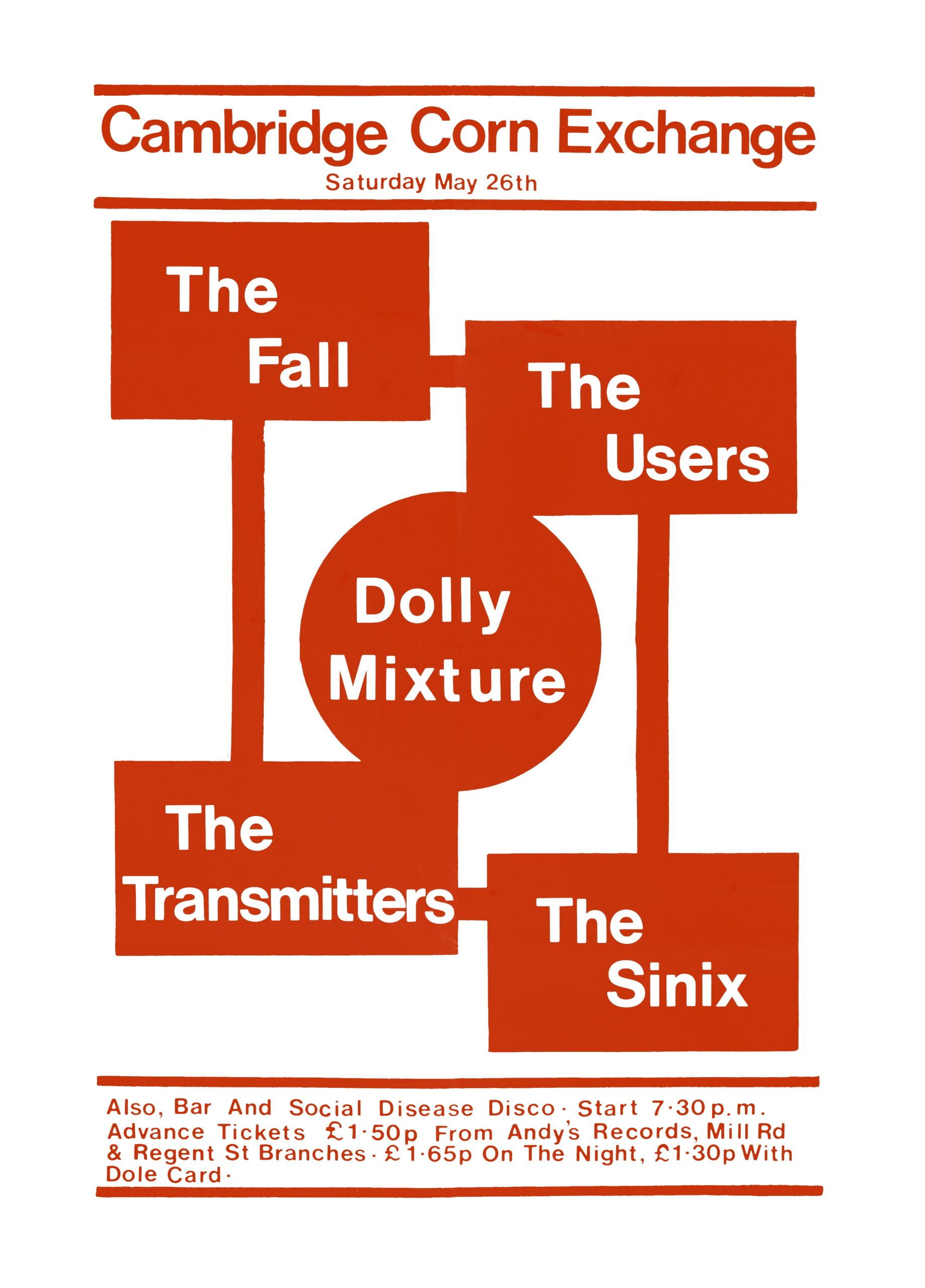
I began to feel that we were on our way when we were rung up on a Saturday morning and asked if we would play that very night at the Corn Exchange. This was going to be gig number four. Only our fourth gig. At the legendary Corn Exchange. It was to celebrate Raw Records’ first anniversary, with Kevin Rowland’s band the Killjoys headlining, plus the Unwanted, Lockjaw and Some Chicken, along with some surprise guests, including Johnny Thunders who didn’t surprise anyone by not actually turning up
In the wake of punk, every town in Britain seemed to have spawned its own independent record label: Zoo in Liverpool, Factory in Manchester, Good Vibrations in Belfast, and so on. Cambridge’s own Raw Records was set up by Lee Wood, a dead ringer for Van Morrison who ran a second-hand record shop called Remember
Those Oldies with his wife Liz. I first ventured into the small shop in King Street to buy my copy of the Users’ ‘Sick of You’ – the debut release on Raw – the day it came out in May 1977. ‘Good taste,’ quipped Lee as he rang up yet another 49p.
Dolly Mixture polaroid: Hester, Rachel, Debsey
Never having met any bands from outside Cambridge, let alone played with them, it was a daunting experience turning up at the cavernous Corn Exchange for a soundcheck with just a bass and two drumsticks (the only items we actually owned) and having to ask if we could possibly borrow someone else’s gear. We received a fairly frosty reception from the Raw Records roster with the only other band not billed, the Nipple Erectors, more than happy to help – ‘Of course you can!’ They looked amazing with a punky rockabilly style and, having seemed so cool and moody as they trooped into the building earlier, we couldn’t believe that they were actually smiling and talking to us, as well as being graciously generous with their equipment. We would meet Shane and Shanne from the Nipple Erectors again in the months to come and I’m glad to say that they were easily the best band on that night.
We were first up. I can’t remember playing, but I do remember looking out at the enormous, dark auditorium, hardly daring to believe that we were on this very stage playing a gig. Rachel had to run off home with school books in hand immediately after our set as she had told her parents that she was just popping round to a friend’s house to do some revision for their O-Levels. She did eventually get found out and was duly grounded.
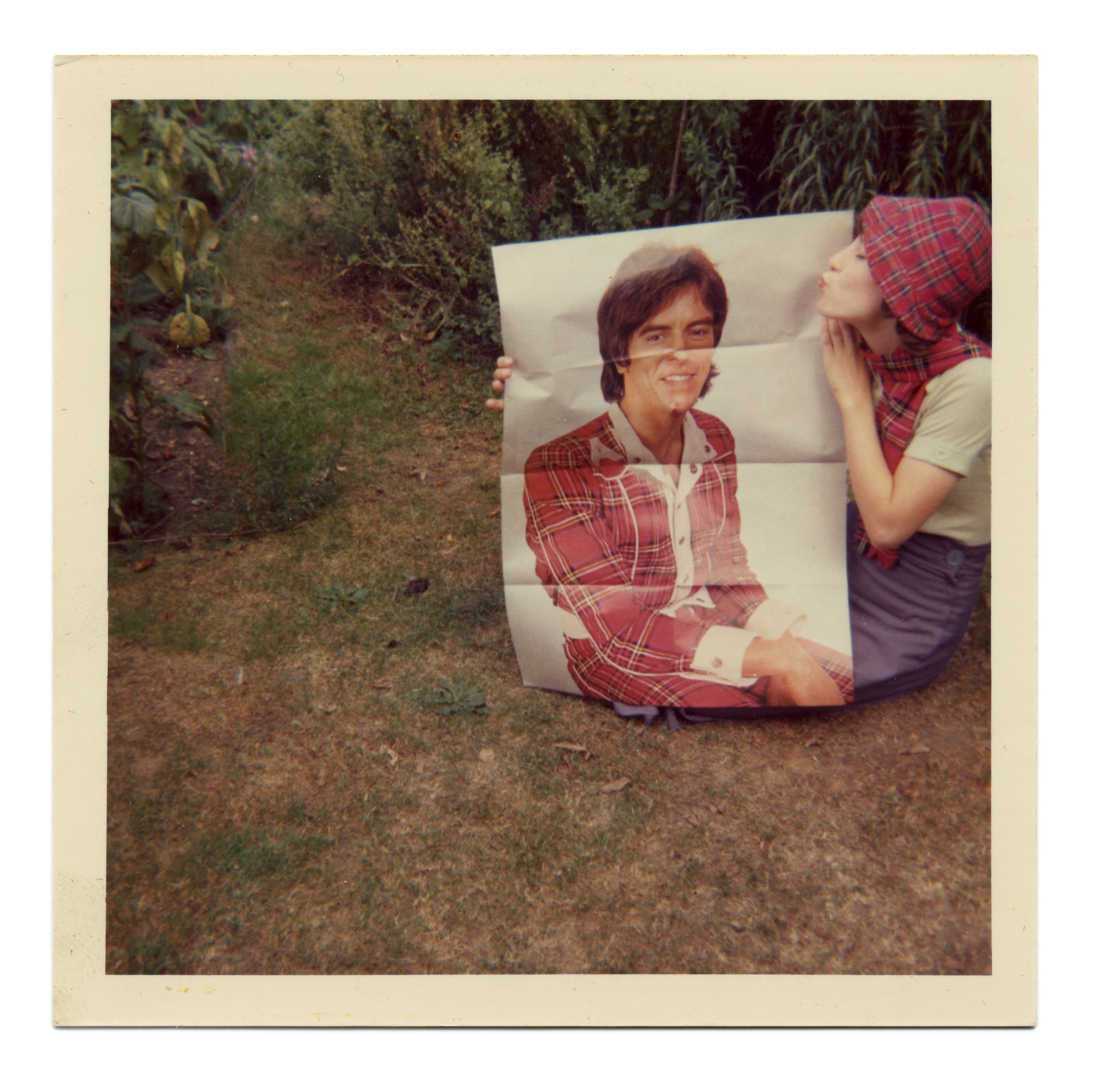
Debsey with a Bay City Rollers poster, 1975
Back at school less than two weeks later, I was in a classroom at the beginning of the day waiting for English to start when I heard a voice from the staircase shouting ‘Debsey Debsey!’ Hester ran in. ‘Debsey Debsey, we’re in the NME!’ She spread the paper out across a couple of desks and we read out the live review together. Others gathered round, intrigued. The piece began by criticising the crazy organisation of the whole evening, decrying the fact that the Killjoys were only able to spit out one number before the plugs were pulled at midnight. However …
The first band to play were Dolly Mixture. A trio of schoolgirls (they claim an average age of 16½ but look far younger), they come from Cambridge and have been together ‘two terms’. At present they only have a bass and two drumsticks to their name, but tonight’s gig, their fourth ever, was one of the weirdest I’ve seen. During their delicate 15-minute set they played, all more or less at the same halting pace, five soft-pop originals, and covers of Tommy Roe’s “Dizzy” and The Beatles’ “While My Guitar Gently Weeps”, so how’s that for extremes? At the moment they can barely play, and often it was only the sheer volume of Debsie’s bass that prevented the whole thing falling apart. Be that as it may, everyone was impressed by their bravado, and they were granted fairly rapt attention. Whenever they made a mistake, which in retrospect wasn’t all that often, they simply stopped and began the piece again. Rachel the guitarist also sang lead, and in places her voice bore a remarkable resemblance to Patti Smith’s, although the quavering uncertainty was probably due more to nerves than lack of talent.
Dolly Mixture, 1981
Life could be so exciting. It was very hard to concentrate on English composition now. I just sat there glowing and dreaming as if my future was assured. Later on that summer term, headmaster Mr Hill advised me to leave school. It was generally agreed that I should just go away and do whatever it was I wanted to do.
Obviously, that wasn’t going to be A-Levels.
Debs by Paul KellyDebs at the Hope and Anchor, 1979, photo: Rich Gunter